

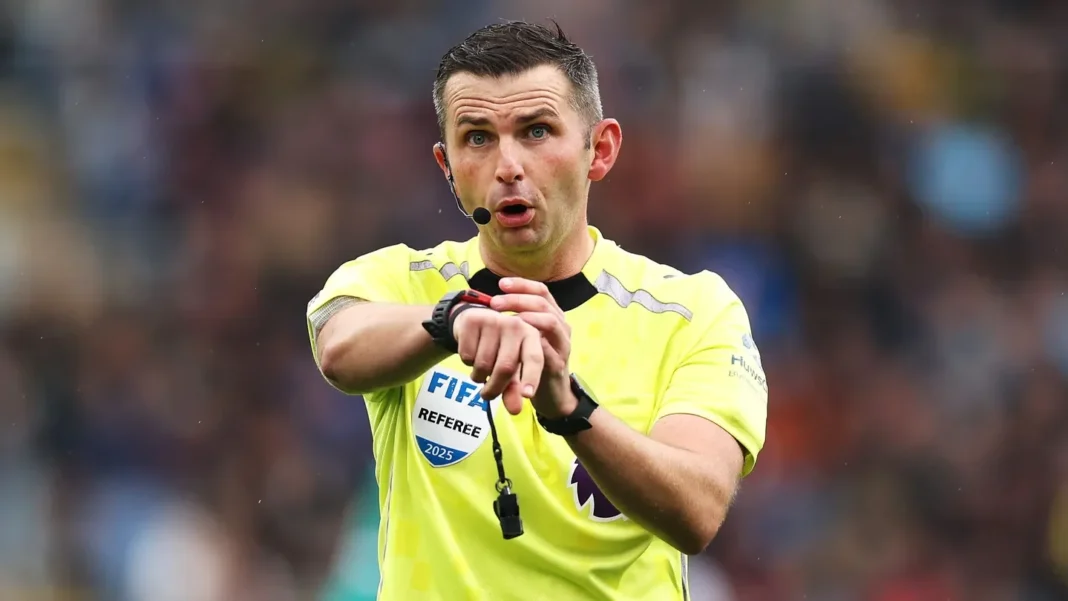

Every football match begins with a whistle but long before that moment, a complex and carefully managed process determines who gets to blow it. Referee assignments may seem like a minor administrative detail, yet they play a crucial role in shaping the flow, fairness, and outcome of the game. From high-stakes clashes in the Premier League to global tournaments organized by FIFA, selecting the right official is a decision driven by data, experience, and strict neutrality. Understanding how referees are chosen reveals a hidden layer of football, one where preparation, performance metrics, and strategic planning intersect to protect the integrity of the sport.

How referees are assigned to football matches:
Referee assignments are one of those background processes that fans rarely notice, yet they quietly shape the rhythm, control, and even narrative of a game. When a fixture list displays “Referee: João Silva,” that decision is the result of a structured, multi-layered system overseen by governing bodies such as FIFA and continental federations like UEFA. These organizations, along with domestic leagues, rely on a mix of human expertise and data-driven tools to ensure that every match is officiated fairly, consistently, and competently.
At its core, the assignment process is controlled by a centralized officiating body, often a referee committee or league officiating department. In elite competitions such as the Premier League or La Liga, dedicated panels assess referees continuously and assign them to matches days or even weeks in advance. These decisions are not arbitrary; they are built on detailed performance evaluations, fitness data, psychological readiness, and prior match reports. In smaller leagues, the same principles apply, though the process may rely more on local assignors and simpler scheduling systems.
Broadly, the system works like this:
Referee Assignment Process: A league’s officiating department, competition manager, or referee committee decides who gets which match. Officials are picked based on experience, level, form, and conflict-of-interest rules ensuring no local bias or club ties skew decisions. Modern systems use centralised databases and software to track availability, qualifications, and past performances, aiding auto-scheduling or manual assignments.
The actual selection process blends automation with human judgment. Fixtures are first mapped out, after which the system identifies the required officiating team main referee, assistant referees, fourth official, and, in top competitions, a VAR crew. Databases then filter available referees based on certification level, recent workload, and potential conflicts of interest. However, final decisions often rest with experienced assignors who interpret nuances that data alone cannot capture, such as a referee’s temperament or their ability to manage high-pressure situations.

How are referees selected for a match?
Several key factors influence who gets a particular match. Experience plays a major role, with high-stakes games typically reserved for elite, FIFA-listed officials. Recent form is equally critical; referees are constantly reviewed and graded, and strong performances can lead to bigger appointments. Neutrality is strictly enforced, officials are not assigned to matches involving teams from their region or with whom they may have personal ties. Additionally, logistical considerations such as travel distance and rest periods are carefully managed to prevent fatigue and maintain performance levels across a long season.
Why transparency matters (and why it’s limited)
Despite growing fan interest, full transparency in referee assignments remains limited. While competitions publicly announce who will officiate each match, the internal evaluation metrics and decision-making frameworks are usually kept confidential. This protects referees from external pressure and preserves the integrity of the selection process. That said, modern analytics platforms and media coverage increasingly provide insights into referee tendencies such as average fouls, card frequency, and game control style allowing fans to identify patterns even without access to the full system.
Another evolving aspect of referee assignment is the integration of technology and performance tracking. Advanced systems now monitor positioning, sprint distance, decision accuracy, and even reaction times during matches. These metrics feed into post-match assessments, helping assignors build a more objective profile of each referee over time. In elite competitions, communication tools and VAR coordination are also evaluated, ensuring referees can operate effectively within increasingly complex officiating teams.
There is also a pathway element built into the system. Younger referees are gradually introduced to higher levels of competition, often starting with lower-stakes matches before progressing to more demanding fixtures. This progression is carefully managed to build confidence and competence without exposing officials to overwhelming pressure too early in their careers. Mentorship from senior referees and continuous training sessions further support this development pipeline.
Rotation policies are another critical component. Assignors deliberately vary referee appointments to avoid overexposure to particular teams, which could create perceived bias. This also ensures a balanced distribution of experience across fixtures, maintaining competitive integrity throughout the league. In congested schedules, such as during tournament play or festive periods, this rotation becomes even more important to sustain performance levels.
What does this mean for players, clubs, and fans?
Ultimately, referee assignment is best understood as a form of strategic resource management. For clubs and managers, knowing the appointed official can influence tactical preparation and player discipline. Players themselves adapt in real time, adjusting their behavior to match a referee’s style. For fans and analysts, this behind-the-scenes process offers a more informed lens through which to interpret controversial decisions, shifting the conversation from perceived bias to systemic structure.
In a sport where margins are razor-thin, the invisible architecture of referee selection plays a far more significant role than it first appears. It also introduces an added psychological layer to the game, where both teams may anticipate how strictly certain situations like tackles or dissent will be handled. Over time, clubs even build informal profiles of referees, helping them prepare for different in-game scenarios. For players, this awareness can be the difference between staying on the pitch or picking up unnecessary cards.
Fans, too, become more analytical, recognizing patterns in officiating rather than reacting purely emotionally. Media discussions increasingly reflect this shift, focusing on consistency and trends instead of isolated incidents. In this way, referee assignments don’t just influence matches, they shape how the game is understood and debated off the pitch as well.

Conclusion
Referee assignment is far more than a routine scheduling task; it is a finely balanced system designed to uphold fairness at every level of the game. While fans often focus on decisions made during the 90 minutes, the groundwork laid beforehand plays an equally important role in ensuring consistency and credibility. As football continues to evolve with technology and analytics, the process of selecting referees is becoming more sophisticated, even if much of it remains behind closed doors. By looking beyond the whistle and into the system itself, players, clubs, and fans can gain a deeper appreciation of the structures that keep the game fair, competitive, and universally respected.