

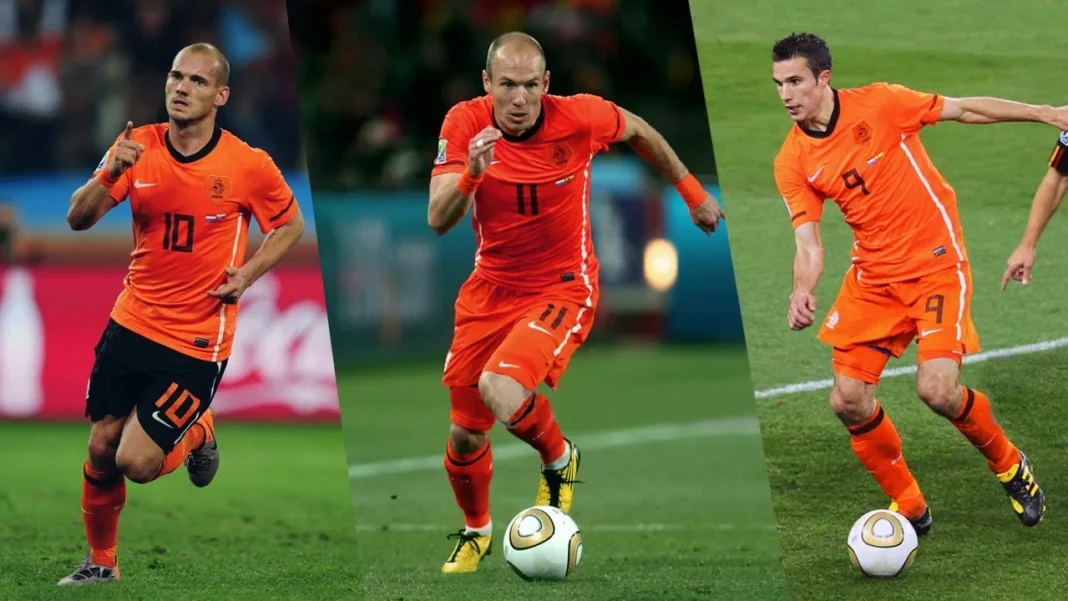

Few nations in football history have combined beauty and heartbreak quite like the Netherlands. Known for revolutionizing the game and producing generations of world-class talent, the Dutch national team has consistently delivered unforgettable World Cup moments, yet the ultimate prize has always remained just out of reach.
With three final appearances and a reputation for playing some of the most iconic football ever seen, the story of the Netherlands at the FIFA World Cup is one of brilliance, innovation, and near-misses. Read more about their journey here: Netherlands Road to FIFA World Cup 2026.
From the Total Football revolution of the 1970s to the tactically disciplined modern era, each generation has carried forward a distinct identity rooted in intelligence and flair. Their influence on global football goes beyond results, shaping how the game is played, coached, and understood across decades.
And with every new tournament, the same question returns, will this finally be the team that turns legacy into silverware?
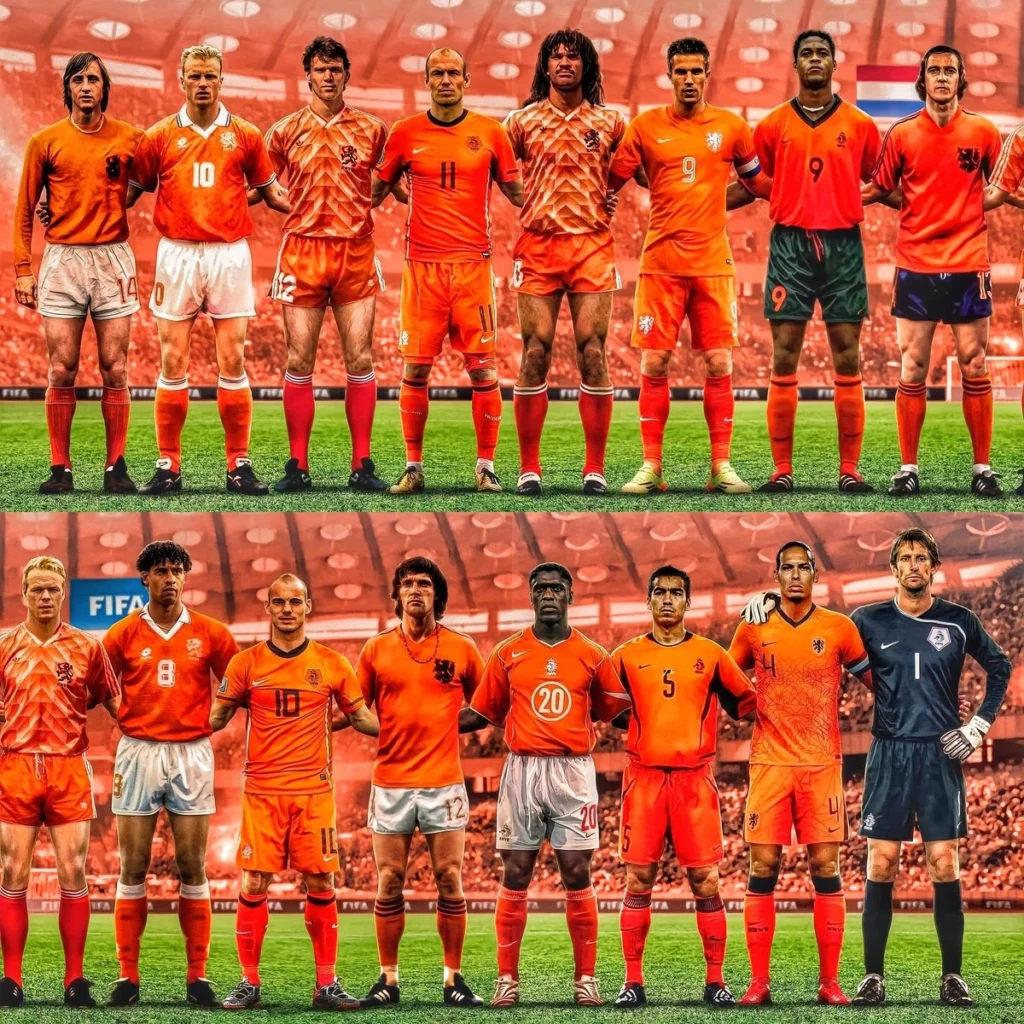
1974 – The Birth of Total Football
The 1974 World Cup remains the most iconic Dutch campaign of all time. Led by Johan Cruyff, the Netherlands introduced “Total Football” to the world, a revolutionary system where players fluidly switched positions and dominated possession.
They swept aside opponents with style and authority, even taking the lead in the final before West Germany had touched the ball. However, despite their dominance, they lost 2–1 in the final.
Yet, this team changed football forever. More than a campaign, 1974 was a cultural reset — the moment the Netherlands became synonymous with innovation and beauty in the game.
Throughout the tournament, the Netherlands looked almost unstoppable, dismantling strong teams with ease and playing a brand of football that was both elegant and ruthless.
However, the final proved to be a different challenge — one where experience, composure, and home advantage worked in favor of West Germany.
Despite the loss, the 1974 team is often remembered as one of the greatest sides never to win the World Cup, leaving behind a legacy far greater than the result itself.
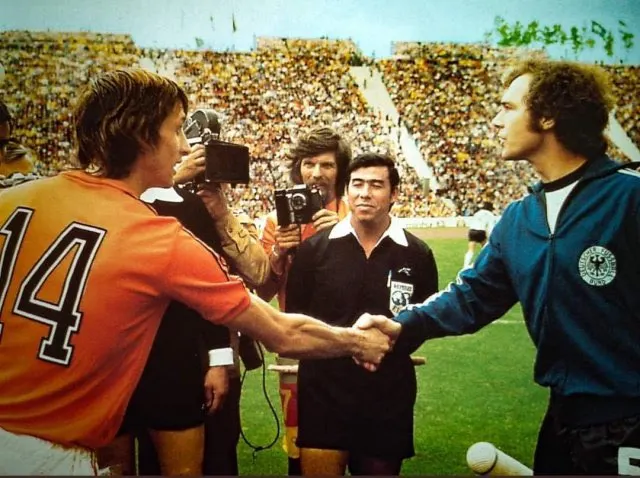
1978 – Back-to-Back Finals, Same Heartbreak
Four years later, the Dutch proved 1974 was no fluke. Without Cruyff, they still reached the final, showcasing resilience and tactical maturity.
They defeated top sides en route and once again stood on the brink of glory, only to fall to Argentina after extra time. Two finals in a row, two losses — but by now, the Netherlands had established themselves as a global football powerhouse.
Interestingly, this squad reached the final without Johan Cruyff, proving that the Dutch system and philosophy were bigger than any one player.
They showed immense resilience throughout the tournament, grinding out results and adapting their style to different opponents.
In the final, they came agonizingly close, hitting the post late in normal time — a moment that could have completely changed their history. But Argentina capitalized in extra time, and the Netherlands were left to endure yet another heartbreaking defeat on the biggest stage.
Still, reaching back-to-back finals cemented their place as a dominant force in international football during that era.
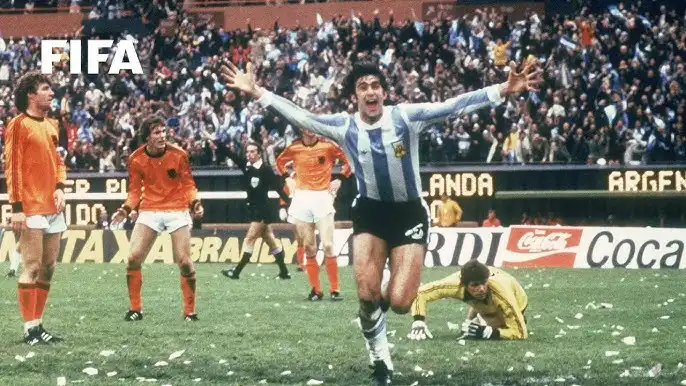
1998 – The Nearly Team
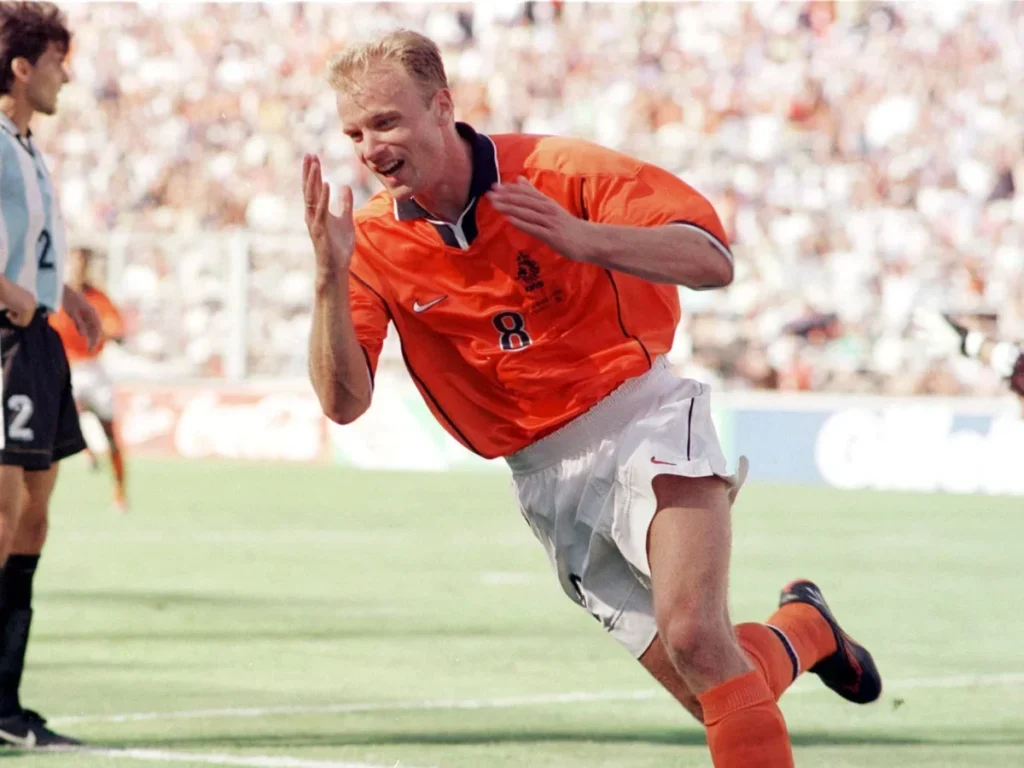
The 1998 squad blended flair with experience, featuring stars like Dennis Bergkamp. Their campaign is best remembered for Bergkamp’s iconic last-minute goal against Argentina in the quarter-finals, one of the greatest World Cup moments ever.
They reached the semi-finals but lost to Brazil on penalties, eventually finishing fourth. This team captured the imagination once again, proving the Dutch philosophy could still compete at the highest level.
What made this side special was its balance — solid defensively yet incredibly fluid in attack, capable of controlling games against elite opposition.
Players like Edgar Davids and Clarence Seedorf added steel and creativity in midfield, giving the team both bite and brilliance. Their run also showcased resilience, grinding through tough matches while still producing moments of pure magic.
In many ways, the 1998 team embodied the perfect blend of classic Dutch flair and modern tactical discipline. Though they fell short once again, they left behind a lasting impression as one of the most complete and entertaining teams of that World Cup.
2010 – So Close to Glory
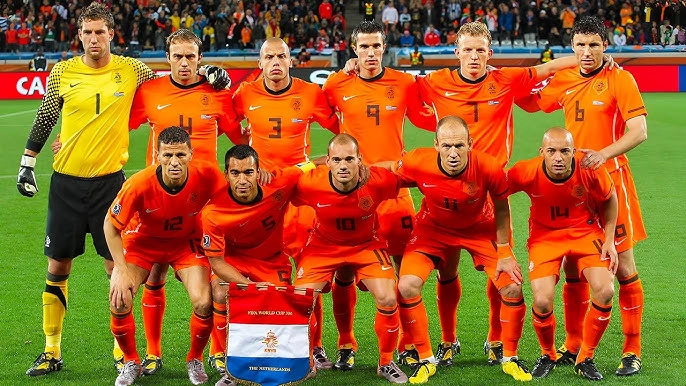
The Netherlands’ third World Cup final came in 2010, led by a golden generation including Arjen Robben and Wesley Sneijder.
More pragmatic than previous Dutch sides, this team focused on efficiency and results. They navigated a tough path to the final but were ultimately defeated 1–0 by Spain in extra time.
It was their closest modern shot at glory and perhaps their most painful miss. Under Bert van Marwijk, the team adopted a more disciplined and structured approach, sacrificing some flair for defensive solidity.
Sneijder was at the heart of everything, scoring crucial goals and orchestrating play, finishing the tournament as one of its standout performers.
The Dutch showed incredible resilience, grinding out narrow victories and proving they could win ugly when required.
The final itself was a tense, physical battle, with both sides struggling to create clear chances under immense pressure.
One defining moment came when Robben broke through one-on-one, only to be denied — an opportunity that could have changed Dutch football history forever.
As the match wore on, fatigue and nerves took over, and Spain eventually found the breakthrough in extra time.
Despite the loss, this campaign demonstrated a different side of Dutch football, one capable of adapting and competing with the very best through tactical discipline.
2014 – Redemption and Statement
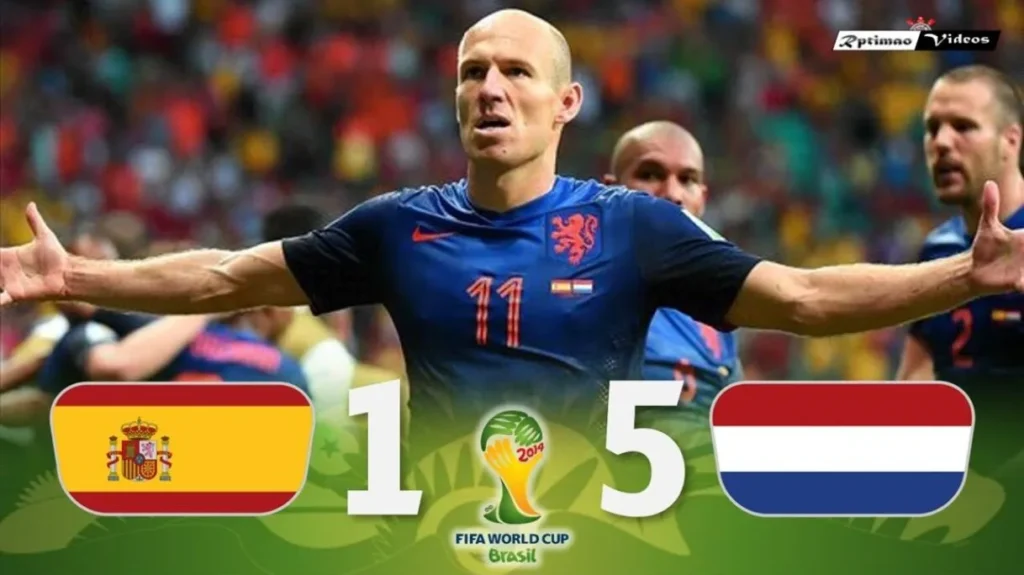
After the heartbreak of 2010, the Netherlands returned with purpose in 2014. Their 5–1 demolition of Spain in the group stage was one of the most iconic revenge performances in World Cup history.
They went on to finish third — their best result in a decade — showcasing a new generation of talent and tactical flexibility.
Managed by Louis van Gaal, the team embraced a new system that maximized their strengths, particularly in transition.
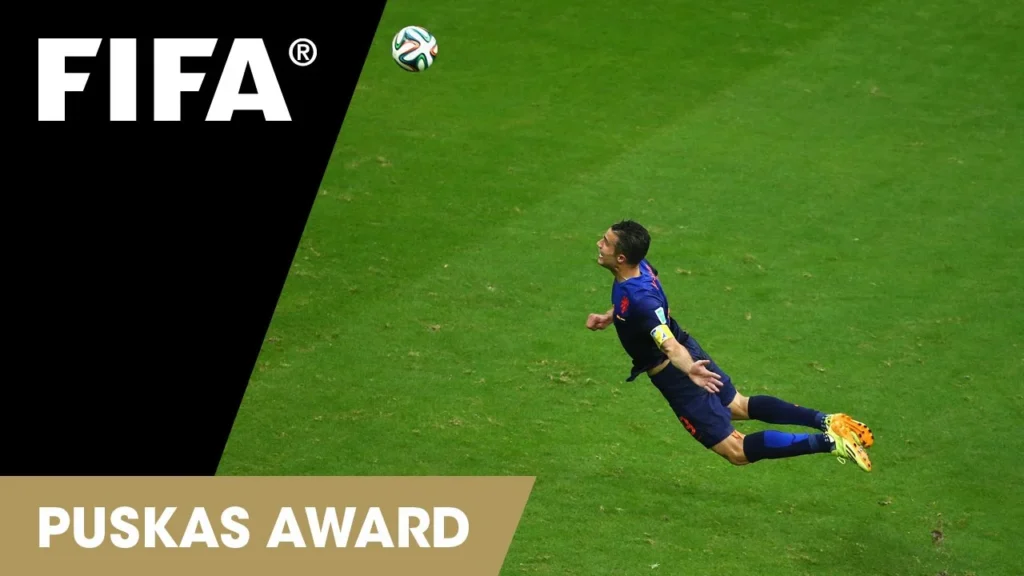
The tournament began in spectacular fashion, with Robin van Persie scoring his unforgettable flying header, an image that became symbolic of the entire campaign.
Robben was once again electric, using his pace and directness to terrorize defences throughout the tournament. The Dutch combined experience with youth, blending established stars with emerging talents to create a dynamic and unpredictable side.
Their tactical adaptability allowed them to switch between defensive solidity and explosive counter-attacks with ease.
Even in the semi-finals, they pushed eventual finalists to the limit, showing composure and belief under pressure.
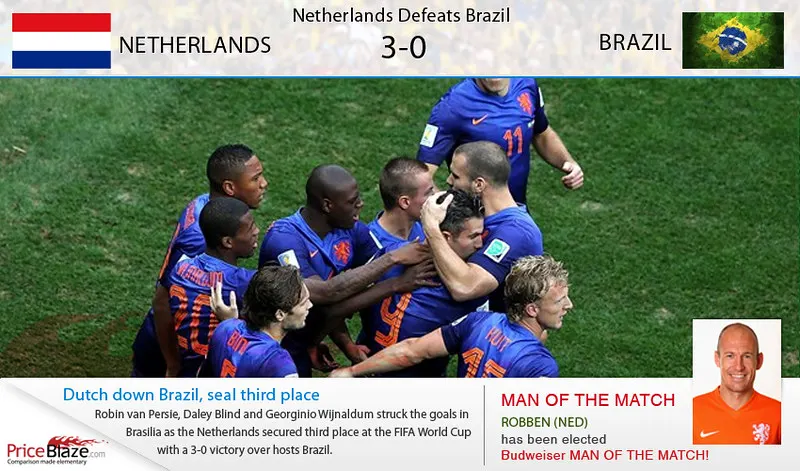
They ended the tournament on a high by defeating Brazil 3–0, delivering a dominant performance on the biggest stage. More than just a result, the 2014 campaign restored pride and re-established the Netherlands as a force in world football.
It proved that even after heartbreak, Oranje had the resilience and quality to rise again and compete with the very best.
Final Word
The Netherlands’ World Cup story is one of paradox: a nation that has shaped football history without ever lifting the trophy.
From the brilliance of Johan Cruyff’s Total Football in 1974 to the tactical discipline of modern sides, they have consistently stayed ahead of their time. Their three final appearances — 1974, 1978, and 2010 — stand as enduring reminders of how close they’ve come, and how fine the margins at the very top can be.
Yet, that enduring sense of “almost” is what gives the Dutch their unique identity. They are not just contenders — they are innovators, shaping how the game is played across generations. Learn more about their future stars here: The Dutch X-Factor.
Each new squad carries not just expectation, but legacy — the responsibility of finishing what past greats started. And perhaps that is what makes their journey so compelling: the belief that when it finally happens, it won’t just be a victory, but the completion of football’s most beautiful unfinished story.