

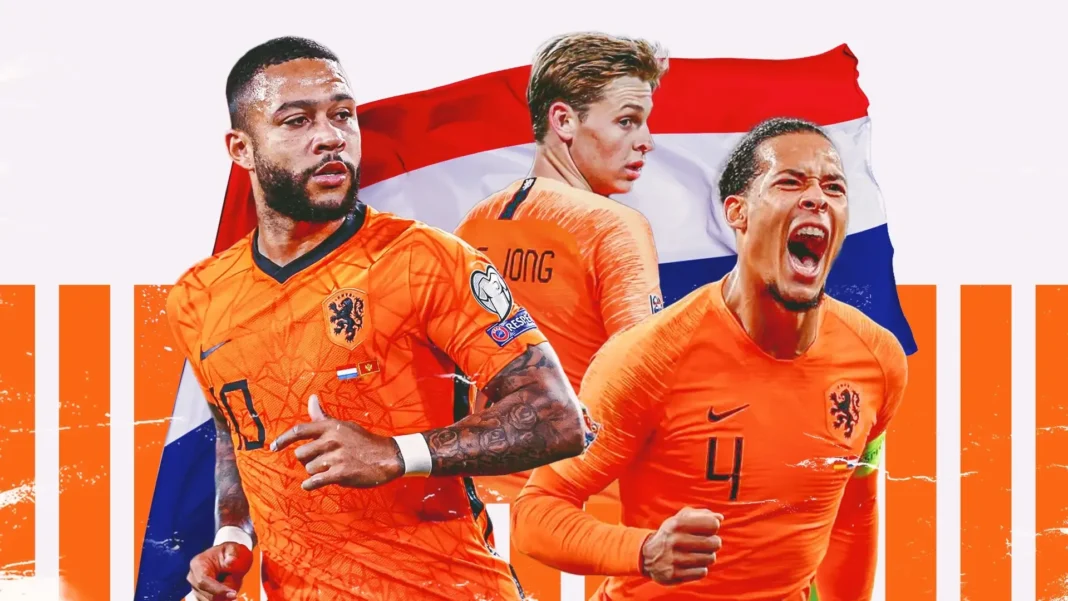

The Netherlands head into the tournament with a perfect blend of tradition, talent, and quiet confidence. Known for their iconic style of Total Football, this new generation of Oranje carries both the weight of history and the hunger to create their own legacy. While the squad is packed with quality across the pitch, tournaments are often defined by moments and the players who rise to them.
From defensive leaders to midfield engines and attacking sparks, a handful of individuals hold the key to unlocking the Netherlands’ true potential. These are the players who can shift momentum, deliver in clutch situations, and turn tight games in their favor. Whether it’s controlling the tempo, shutting down world-class attackers, or producing moments of magic in the final third, their impact will be crucial.
As the stakes rise and pressure builds, all eyes will be on these five stars to lead the charge. If they deliver, the Netherlands won’t just compete, they could go all the way.
1. Virgil van Dijk (Defender)
Van Dijk is the defensive foundation of the Netherlands. His positioning, aerial dominance, and composure allow the team to maintain structure even under intense pressure.
He organizes the backline, ensuring discipline and communication, something vital in knockout games where one mistake can end a campaign.
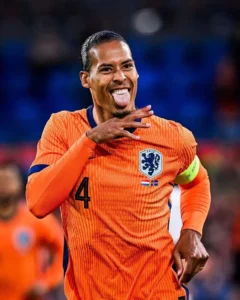
Why he’s crucial: Without Van Dijk, the Dutch lose their defensive authority and leadership. He enables the entire system to function by providing stability, allowing others to take risks higher up the pitch.
Beyond just defending, Van Dijk is also the starting point of attacks, often stepping forward with the ball and picking out precise long passes to break opposition lines. His calmness in possession helps the Netherlands play out from the back without panic, even against high pressing teams.
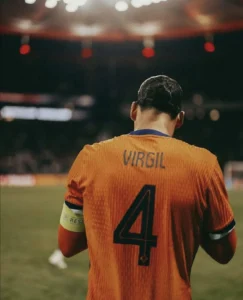
In big matches, his presence alone changes how opponents approach the game, strikers are more hesitant, crosses are less effective, and space becomes harder to exploit. He brings a sense of assurance that spreads across the entire team.
2. Frenkie de Jong (Midfielder)
De Jong is the controller of the game. His ability to escape pressure, carry the ball forward, and dictate tempo makes him the heartbeat of the team.
He connects defense to attack seamlessly, ensuring the Netherlands don’t lose shape while progressing forward. De Jong also brings balance to the midfield, knowing exactly when to slow the game down and when to accelerate it with forward runs or quick passes.
In big matches, his composure becomes even more valuable, helping the team stay calm and organized when the tempo rises.

Why he’s crucial: If De Jong is neutralized, the Netherlands struggle to control possession and rhythm. He is essential for maintaining flow, especially against top-tier opposition.
What sets De Jong apart is his press resistance; few midfielders in world football can glide past multiple opponents as effortlessly as he does. In tight spaces, he turns pressure into opportunity, often creating attacking transitions out of nothing.
His intelligence off the ball is just as important. He constantly positions himself to offer passing options, making it easier for defenders to play out from the back under high press.
He can drop deep to act as an auxiliary defender or push forward to support attacks, giving the Netherlands tactical flexibility. His chemistry with both the backline and the attacking players ensures fluid movement across the pitch, making the team more unpredictable.

Ultimately, if De Jong is at his best, the Netherlands don’t just play, they control, dictate, and dominate the game.
3. Xavi Simons (Attacking Midfielder)
Simons adds creativity and unpredictability in the final third. His dribbling, vision, and ability to operate in tight spaces make him a constant threat.
He thrives in moments where structure breaks down exactly the kind of situations that decide World Cup matches. Despite his attacking flair, he contributes defensively by pressing aggressively and disrupting opposition build-up.
His versatility means he can drift wide, drop deeper, or operate centrally, constantly pulling defenders out of position. In high-pressure situations, players like Simons often become the difference-makers, producing moments of brilliance when least expected.
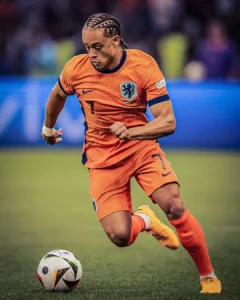
Why he’s crucial: Against compact defenses, the Netherlands need someone who can create something out of nothing and Simons is that player. He brings the spark that turns control into chances.
Simons’ biggest strength is his fearless approach; he’s always willing to take risks, whether it’s attempting a difficult dribble or threading an ambitious pass. His agility and close control allow him to maneuver through crowded areas, making him incredibly effective against low blocks.
He also has a keen eye for goal, capable of striking from distance or arriving late into the box at the perfect moment. If given space and confidence, he can completely change the tempo and outcome of a game within seconds.
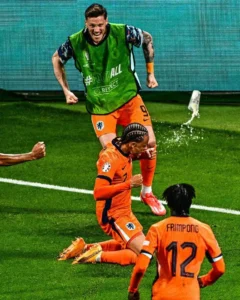
4. Jeremie Frimpong (Wing-Back)
Frimpong provides width, pace, and directness. His overlapping runs stretch defenses and create space for central attackers to operate.
He is especially dangerous in transition, where his speed can instantly turn defense into attack. His constant forward runs pin opposition full-backs, preventing them from joining attacks and giving the Netherlands territorial advantage.
He’s also improved his end product, delivering dangerous crosses and cut-backs into high-value areas. Defensively, his recovery speed helps cover gaps when the team pushes high up the pitch.
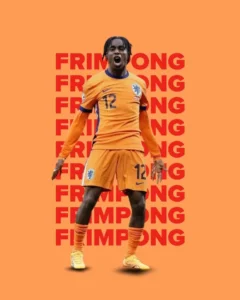
Why he’s crucial: Modern football is about exploiting space quickly, and Frimpong does exactly that. He gives the Netherlands vertical threat and unpredictability on the flanks.
Frimpong’s acceleration is one of his standout traits; he can beat defenders purely on pace, forcing teams to drop deeper.
His chemistry with attackers creates overloads on the wings, making it difficult for opponents to defend one-on-one situations. Frimpong thrives in high-tempo games, where his energy and dynamism can overwhelm tired defenses.
In tight matches, one explosive run or delivery from him can be enough to unlock a stubborn backline.
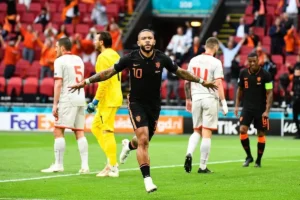
5. Memphis Depay (Forward)
Depay is the experienced match-winner. He combines creativity with finishing ability and thrives under pressure. He often drops deep to link play, while still being the primary goal threat in key moments.
His ability to hold up the ball and bring teammates into play adds another dimension to the Dutch attack. In big games, he isn’t afraid to take responsibility, often demanding the ball and trying to make things happen.
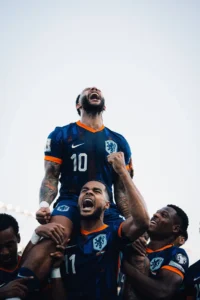
Why he’s crucial: In knockout football, chances are limited and Depay is the player most likely to convert them. His experience and composure make him indispensable in decisive moments.
Depay’s versatility allows him to operate as a striker, second forward, or even drift wide to create space for others. He possesses excellent technique, capable of scoring from free-kicks, long-range efforts, or clinical finishes inside the box.
His experience in international tournaments gives him an edge when dealing with pressure situations. Depay also has a natural flair and confidence that can lift the entire team during difficult moments.
Ultimately, he is the focal point in attack the player the Netherlands rely on when they need a goal out of nothing.
Final Word
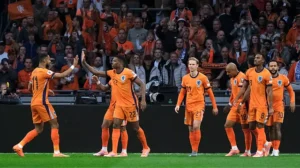
Tournament success isn’t just about talent, it’s about having the right players in the right roles. For the Netherlands, these five define their identity. Each one solves a different problem: Van Dijk brings control, De Jong dictates play, Simons creates, Frimpong stretches defenses, and Depay finishes moves.
If all five perform, the Netherlands won’t just compete, they’ll be genuine contenders for the World Cup. But beyond individual quality, it’s the balance they collectively bring that makes this Dutch side so dangerous. Every great tournament team has a spine and this group forms exactly that, from defense to attack.
Their ability to complement each other ensures that the team isn’t overly reliant on just one phase of play, making them adaptable against different styles of opposition. In knockout football, where margins are razor-thin, having players who can step up in key moments often makes the difference and the Netherlands have multiple match-winners in this core.
There’s also a blend of experience and youth, giving the team both composure under pressure and fearless energy when it matters most. If momentum builds and confidence grows, this side has all the tools to go on a deep run and challenge the very best.