

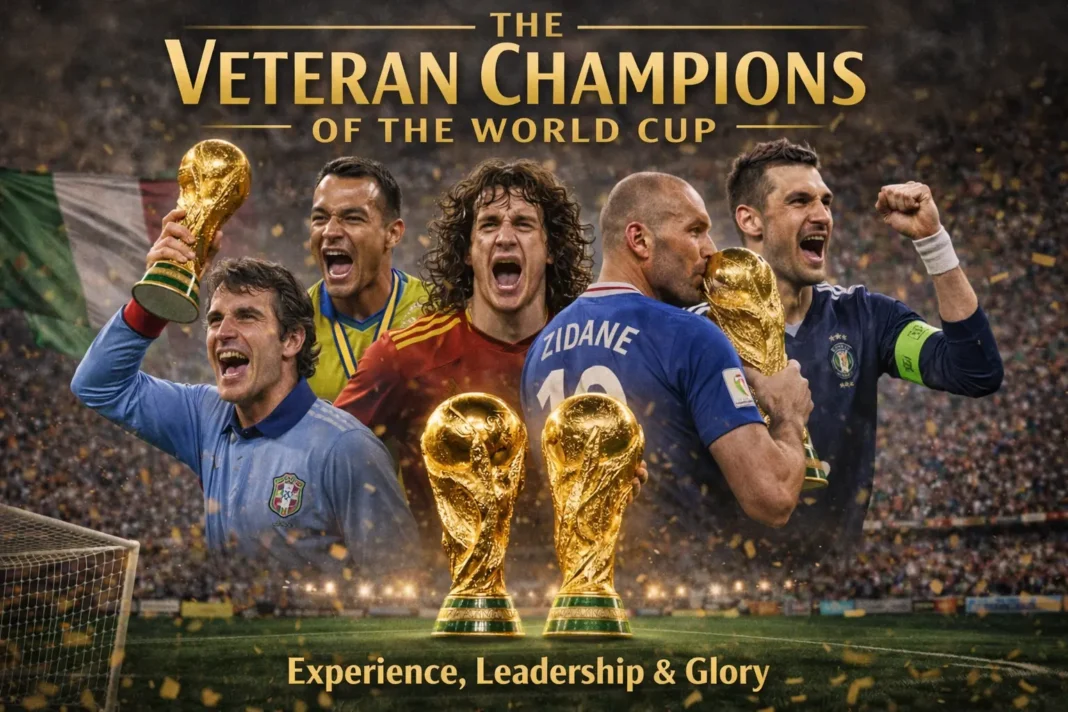

The story of the FIFA World Cup is often framed around youthful brilliance, but a closer look at its history reveals how experience has repeatedly shaped its biggest moments. Some of the most influential triumphs have come from players who brought leadership, composure, and tactical intelligence at later stages of their careers. When arranged chronologically, these winners not only highlight longevity but also show how the role of experienced players has evolved across different eras of the game.
As football has become faster and more physically demanding, the value of experience has not diminished but instead adapted, with veterans often acting as the tactical anchors within increasingly dynamic systems. Their ability to read the game, manage high-pressure situations, and guide younger teammates has proven decisive in knockout football. In many cases, these seasoned players have been the difference between falling short and lifting the trophy. Ultimately, their presence reinforces the idea that while youth may ignite a tournament, it is often experience that sustains and defines it.
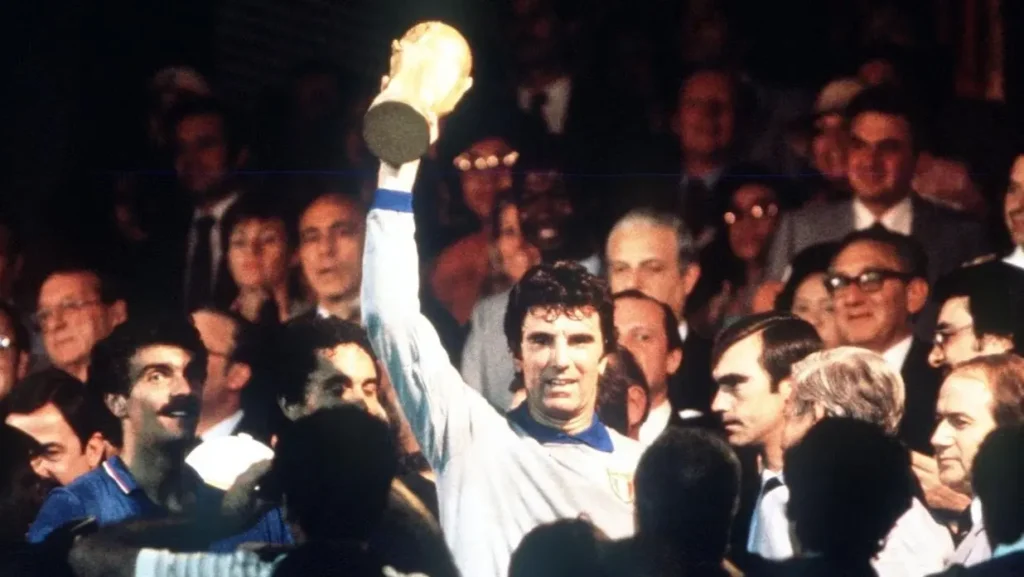
The journey began in 1982 with Dino Zoff, who set the benchmark as the oldest World Cup winner at 40. As captain and goalkeeper, Zoff was the backbone of Italy’s triumph, organizing the defense with authority and calmness. His leadership ensured Italy remained compact and disciplined, especially in high-pressure knockout matches. He rarely needed to make spectacular saves because his positioning and reading of the game were so precise. Zoff’s presence brought confidence to the entire backline, allowing defenders to play with assurance. Beyond his technical ability, he embodied composure, never allowing the occasion to overwhelm him. His role was not just to stop shots, but to control the defensive rhythm of the team. In many ways, he defined what it means to be an experienced leader on the world stage.
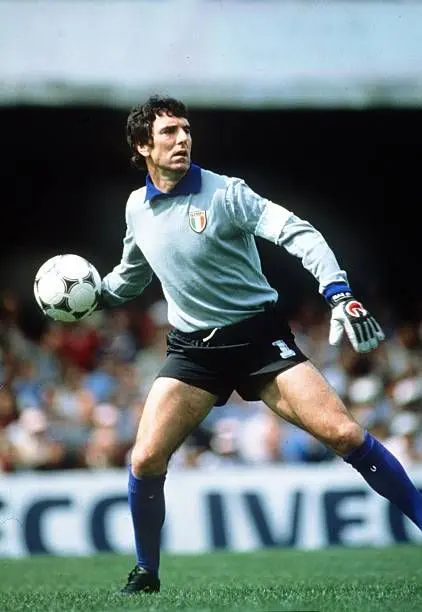
Even in the final against West Germany, his calm authority under pressure stood out, as he dealt with aerial threats and long-range efforts with minimal fuss. Zoff’s consistency throughout the tournament provided a foundation upon which Italy’s attacking brilliance could flourish. His legacy remains a testament to how intelligence and leadership can outweigh physical decline, especially on football’s biggest stage.
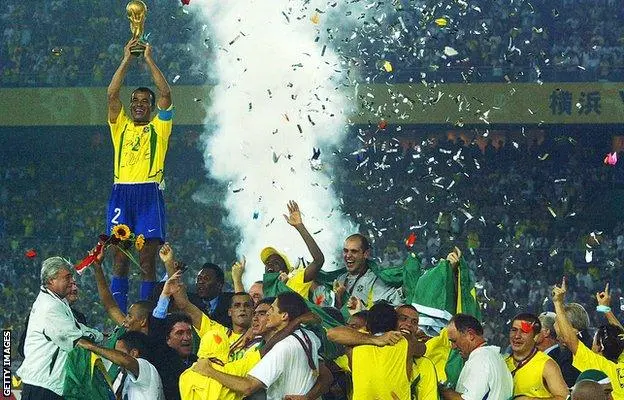
Two decades later, in 2002, Cafu captained Brazil to World Cup glory with a completely different style of influence. Operating as a right-back, Cafu combined defensive discipline with relentless attacking energy. His overlapping runs provided width and support to Brazil’s dynamic forward line, making him a constant outlet on the flank. Despite his attacking contributions, he remained defensively reliable, tracking back with consistency.
As captain, he led through action, setting the standard with his work rate and professionalism. His experience was vital in maintaining balance within a star-studded squad. Cafu’s ability to perform consistently at both ends of the pitch made him indispensable. He showcased how modern full-backs could influence games in multiple phases.
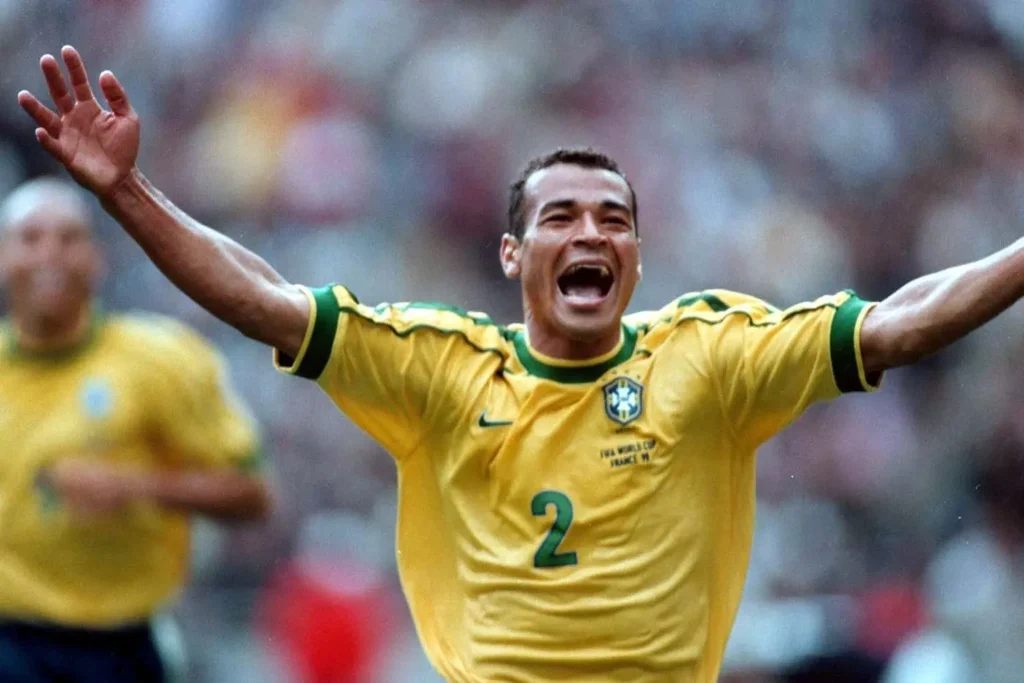
Throughout the tournament, his stamina and consistency allowed Brazil to maintain intensity on the right flank for the full 90 minutes. In the final against Germany, his composure and positional awareness ensured Brazil remained solid even under pressure. Cafu also played a key role in linking defense to attack, often initiating transitions with intelligent movement. His leadership style, rooted in example rather than words, helped unify a team filled with individual brilliance.
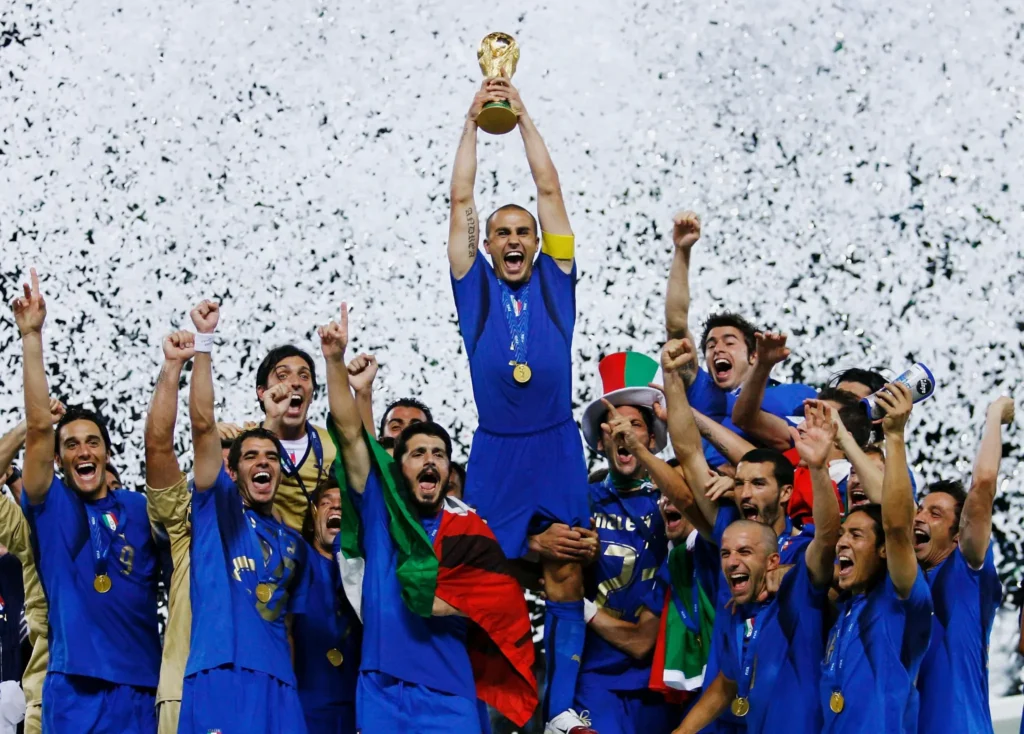
In 2006, Fabio Cannavaro delivered one of the greatest defensive performances in World Cup history. As captain, he led Italy with intensity, discipline, and exceptional awareness. Cannavaro’s reading of the game allowed him to anticipate danger and neutralize world-class attackers with ease. His positioning compensated for any physical disadvantages, particularly in aerial duels. Throughout the tournament, he was a constant organizer, ensuring Italy’s defensive structure remained intact. His composure under pressure was crucial, especially in tight knockout matches. Cannavaro led by example, combining aggression with intelligence in every challenge. His influence turned Italy into an almost impenetrable defensive unit.
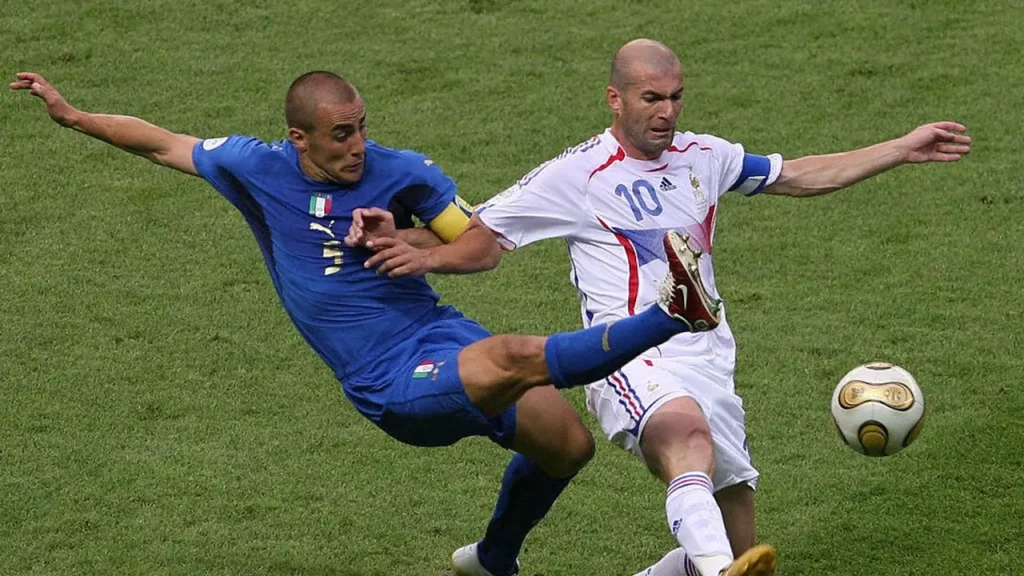
His performance in the semi-final against Germany was especially iconic, where he produced a series of perfectly timed interceptions and clearances. In the final against France, he remained composed against elite attackers, ensuring Italy stayed defensively solid throughout. Cannavaro’s leadership extended beyond his own play, constantly directing teammates and maintaining concentration levels across the backline. His consistency over the entire tournament earned him global recognition as the standout defender of his generation. Ultimately, his World Cup campaign redefined the value of defensive excellence in a tournament often dominated by attacking narratives.
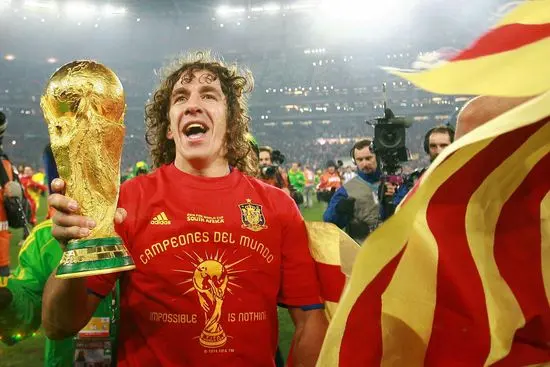
Spain’s historic 2010 victory saw Carles Puyol play a defining role at the heart of defense. Known for his passion and commitment, Puyol brought intensity to a team built on technical brilliance. His defensive contributions were consistent, shutting down opposition attacks with well-timed interventions. He also delivered in crucial moments, most notably his decisive header against Germany in the semifinal. Puyol’s leadership extended beyond tactics, inspiring teammates through his determination and work ethic. His understanding of positioning ensured Spain remained solid at the back while dominating possession.
He was the emotional leader of the defense, setting standards through his actions. In a team full of flair, Puyol provided the grit that made success possible. His partnership with Gerard Piqué was crucial, blending experience with composure to form a balanced defensive core. Puyol’s ability to step out of defense and intercept attacks early helped Spain maintain their high defensive line.
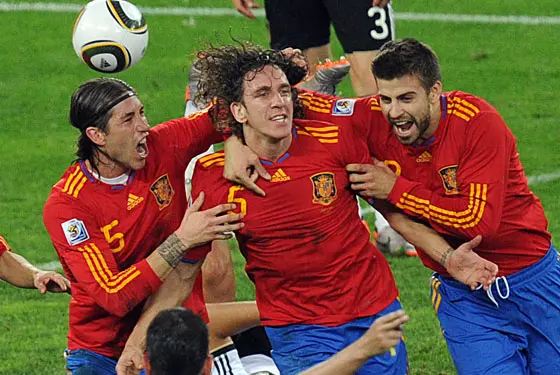
Even in the final against the Netherlands, his presence was vital in handling physical pressure and maintaining focus. He constantly pushed his teammates to stay disciplined, ensuring Spain’s control was never compromised. Ultimately, Puyol’s influence proved that even in a possession-dominant system, defensive resilience remains the foundation of success. Beyond his on-field contributions, Puyol embodied the mentality that defined Spanish generations’ humility, unity, and relentless focus.
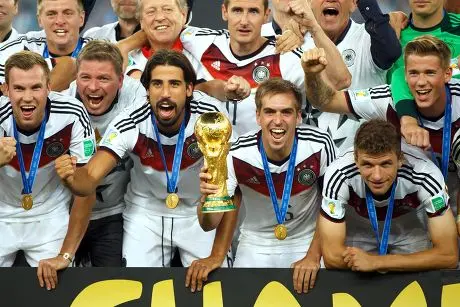
Germany’s 2014 triumph featured multiple experienced figures, starting with Philipp Lahm, the team’s captain. Lahm’s versatility allowed him to operate both as a full-back and a midfielder, adapting to tactical needs throughout the tournament. His intelligence in positioning and passing ensured Germany maintained control in possession. Lahm’s leadership was calm and composed, keeping the team organized in every phase of play. He dictated tempo, balanced attack and defense, and made crucial decisions under pressure. His ability to read the game made him effective in multiple roles. Lahm was the glue that held Germany’s system together. His influence went beyond visible moments, shaping the team’s overall structure.
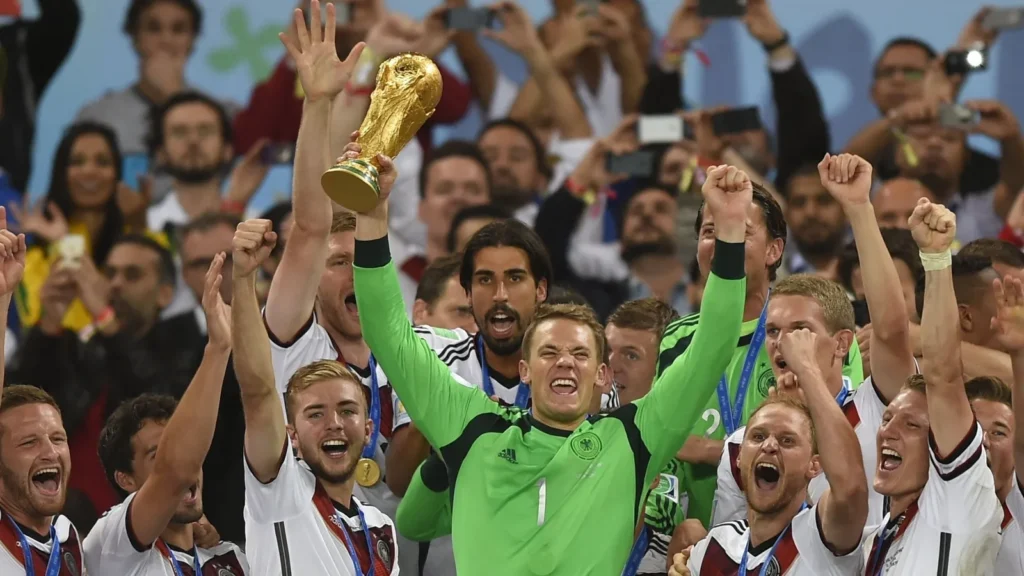
Alongside him, Manuel Neuer revolutionized goalkeeping with his “sweeper-keeper” style. Neuer operated far beyond his penalty area, intercepting attacks before they could develop. This allowed Germany to maintain a high defensive line and compress space effectively. His confidence on the ball contributed to build-up play, adding an extra layer of control. Neuer’s performances demonstrated how a goalkeeper could influence tactics across the pitch. He combined risk-taking with precision, ensuring defensive security while enabling attacking fluidity. His presence instilled confidence in the entire team. Neuer didn’t just defend the goal he redefined the role entirely.
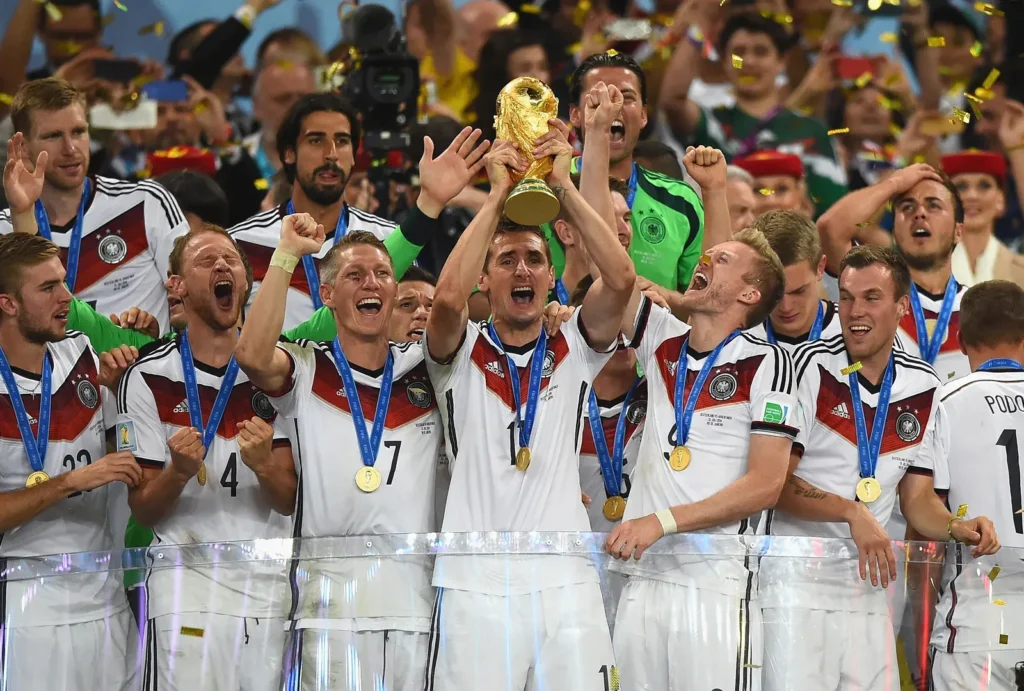
Another key figure in 2014 was Miroslav Klose, who brought experience and efficiency to Germany’s attack. Though not always a starter, Klose’s impact was significant when called upon. His positioning and movement created space for teammates, enhancing the team’s attacking dynamics. He made history by becoming the World Cup’s all-time leading scorer, highlighting his consistency on the biggest stage. Klose’s experience also played a mentoring role, guiding younger players in the squad. His composure in front of goal ensured Germany capitalized on key opportunities.
In 2018, Hugo Lloris captained France to victory, serving as the experienced core of a young squad. Lloris’ role was to maintain defensive organization and provide stability under pressure. His shot-stopping ability proved crucial in key moments, particularly in knockout matches. As captain, he communicated effectively with his defense, ensuring discipline and structure. Lloris also played a psychological role, calming the team during tense situations. His consistency allowed France’s attacking players to express themselves freely. He was a quiet but authoritative leader throughout the tournament. His presence formed the foundation of France’s success.
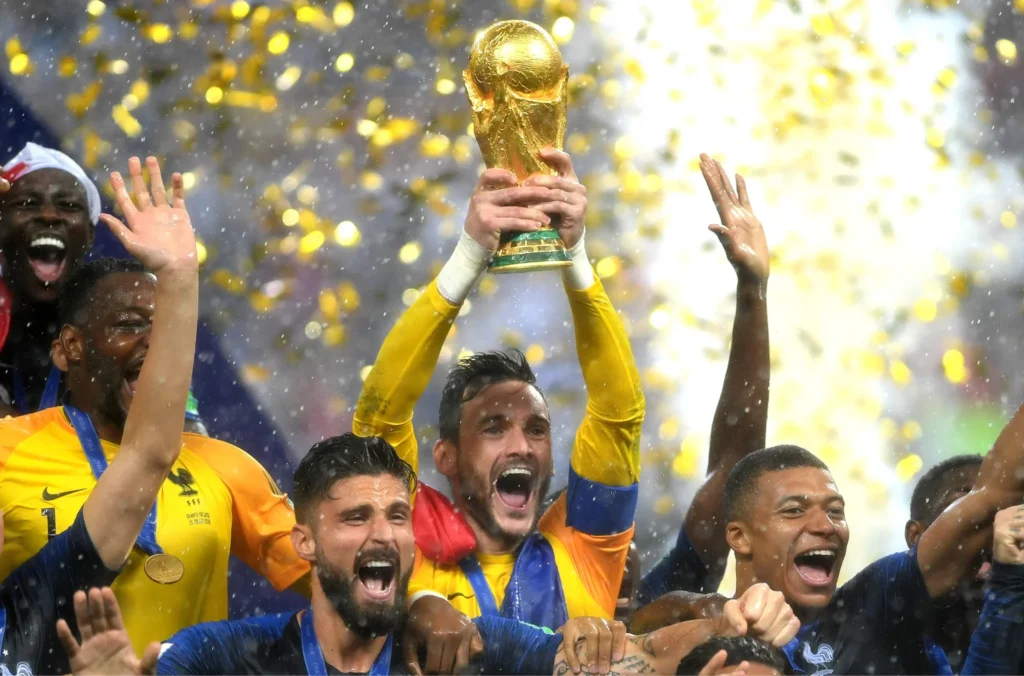
His performances against Uruguay and Belgium highlighted his reliability, making crucial saves at decisive moments. In the final against Croatia, despite a rare mistake, he quickly regained composure and ensured it did not impact the team’s control of the game. Lloris’ experience in high-pressure matches was vital in guiding a relatively young squad through difficult phases. His positioning and decision-making consistently minimized danger, even when France were under sustained pressure. Ultimately, his leadership reflected a modern goalkeeper’s role not just as a shot-stopper, but as a composed orchestrator from the back.
Finally, in 2022, Lionel Messi delivered one of the greatest individual World Cup campaigns in history. At 35, Messi carried Argentina both creatively and emotionally. He dictated the tempo of matches, controlled possession, and produced decisive moments in crucial games. His leadership inspired teammates to elevate their performances, particularly in high-pressure situations. Messi contributed goals and assists at every stage, proving indispensable to Argentina’s success. His composure in the final encapsulated his influence on the team. Beyond statistics, he was the driving force behind Argentina’s belief. His triumph highlighted how experience and brilliance can align perfectly on football’s biggest stage.
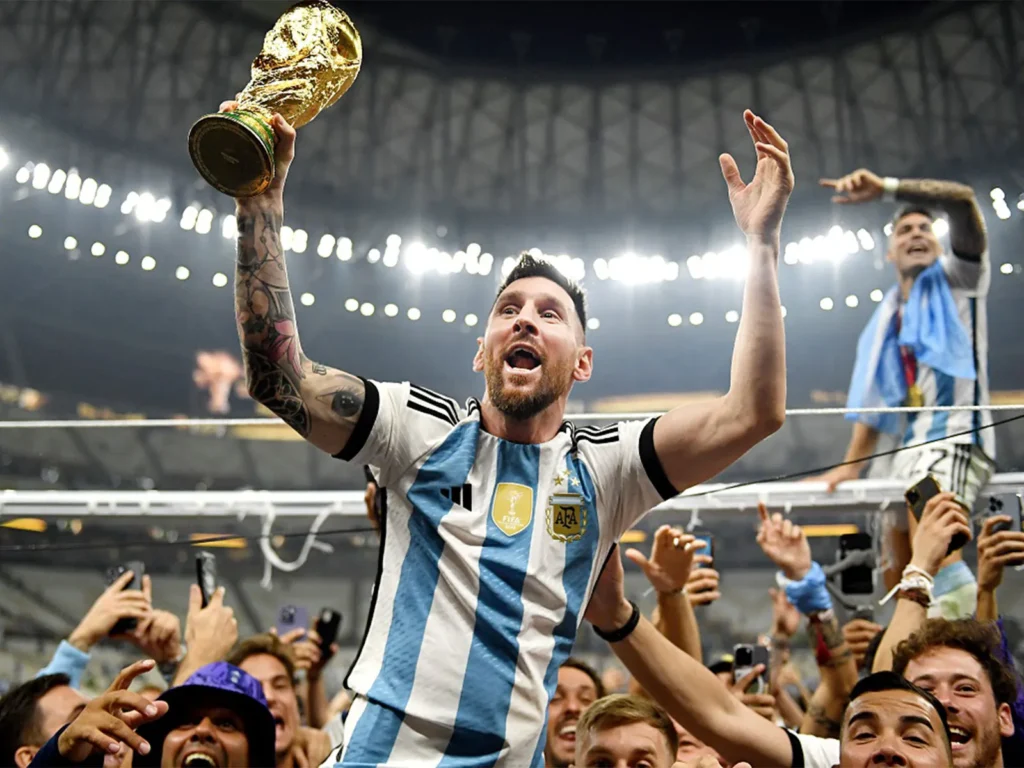
His performances against teams like Mexico and the Netherlands showcased his ability to shift momentum single-handedly. In the final against France, he delivered under immense pressure, scoring twice and converting in the penalty shootout. Messi’s understanding of space and timing allowed him to control games even when physically pushed to the limit.
He also embraced a more vocal leadership role, guiding younger players through the intensity of the tournament. Ultimately, his World Cup victory cemented his legacy as not just a generational talent, but a complete leader who rose when it mattered most.
In conclusion, when viewed across different World Cup eras, these players demonstrate how experience evolves but remains essential. From Zoff’s defensive authority to Messi’s attacking genius, each player brought a unique influence shaped by their role and era. Their contributions go beyond age records; they represent the importance of leadership, intelligence, and composure at the highest level. Together, they show that while the game continues to evolve, the value of experience remains timeless.

What also stands out is how these players thrived in moments of maximum pressure, where decision-making mattered more than physicality. Their ability to control tempo, manage emotions, and guide younger teammates often proved decisive in tight matches. In many ways, they became extensions of the coach on the pitch, translating strategy into execution in real time. Their presence added a sense of belief and stability that cannot be measured statistically. Ultimately, they remind us that greatness at the World Cup is not just about talent, but about understanding the game at its deepest level.