

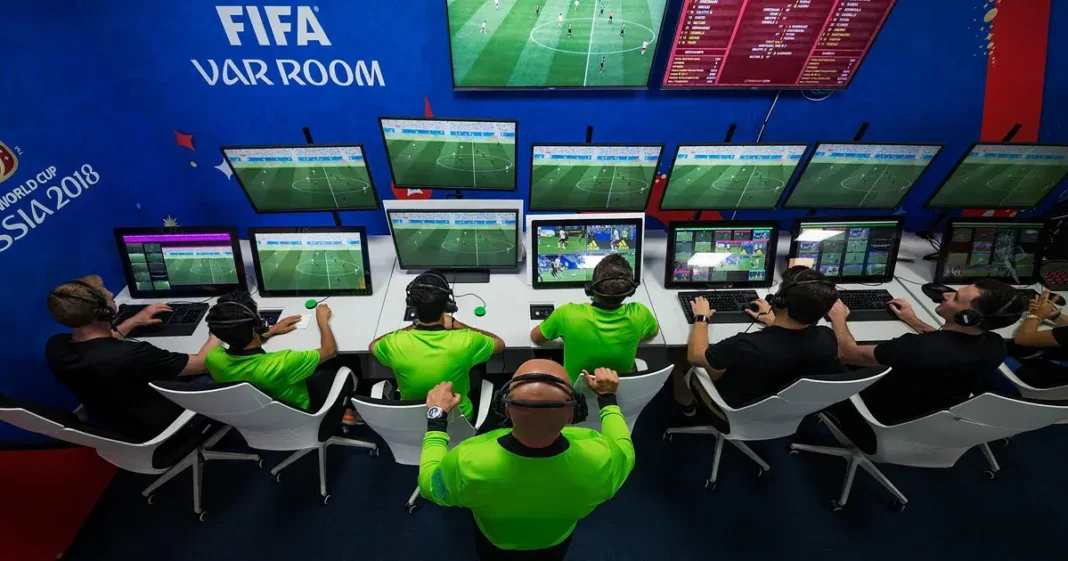

A Push for Faster, Fairer Football
Football’s governing body, FIFA, has approved a series of rule changes designed to speed up the game and reduce time-wasting. The updates, introduced in collaboration with International Football Association Board (IFAB), aim to keep matches flowing and ensure that more time is spent with the ball actually in play.
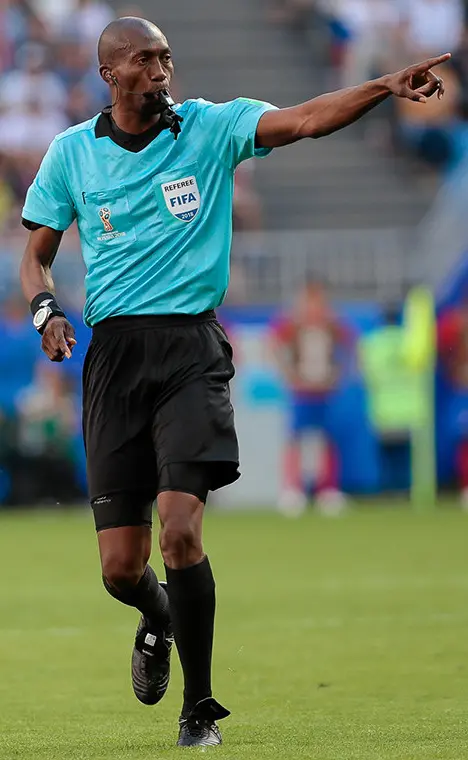
These rules are expected to be implemented at the 2026 FIFA World Cup, which will take place across the United States, Canada, and Mexico.
The new regulations target some of the most common ways teams slow down the game delayed substitutions, slow restarts, and tactical injuries while also expanding the use of video technology to improve refereeing decisions.
Stricter Substitution Timing
One of the most noticeable rule changes involves substitutions.
Under the new law, players who are substituted must leave the pitch within 10 seconds after the referee signals the change. If the player deliberately delays leaving the field beyond this limit, the incoming substitute cannot enter the match immediately. Instead, the team must wait one full minute of game time before the replacement is allowed to step onto the pitch.
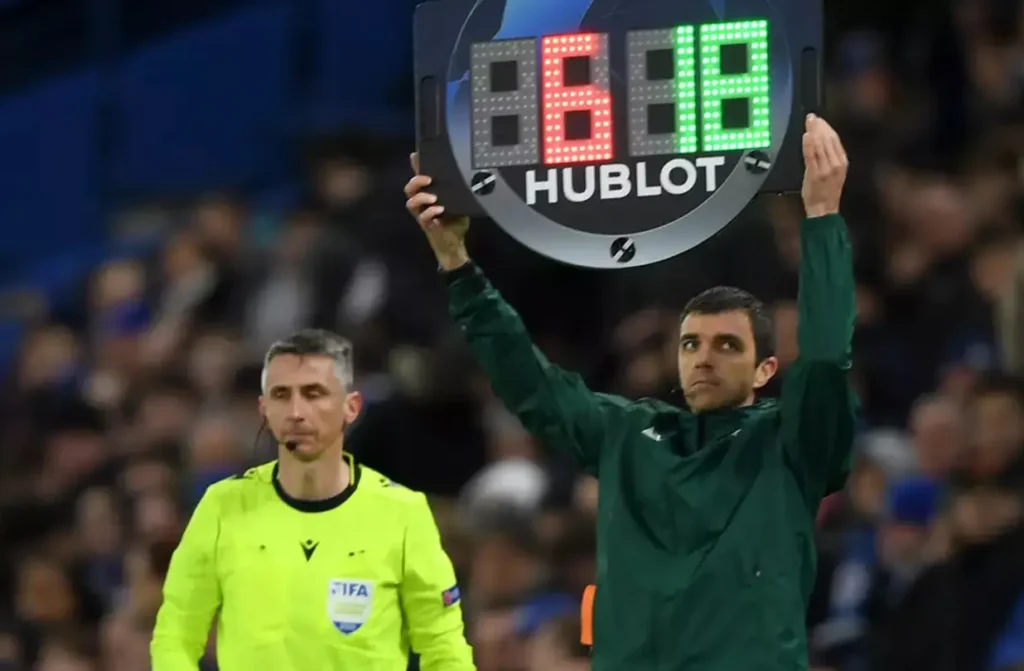
This measure directly targets a common tactic used by teams protecting a lead late in matches, where substituted players deliberately walk slowly off the field to waste valuable seconds.
By enforcing a strict time limit and introducing a penalty for delays, officials hope to discourage this behaviour and keep the tempo of the match high.
Why It Matters
Under the new rule:
- A substituted player must leave the field within 10 seconds.
- If they delay, the replacement must wait 1 minute before entering.
This rule is designed to stop players from slowly walking off the pitch to waste time, especially late in matches when a team is protecting a lead
5-Second Countdown for Throw-Ins and Goal Kicks

Another major change focuses on restarts of play, particularly throw-ins and goal kicks.
Players will now have five seconds to restart the game once they are in position. If the ball is not put back into play within that time, possession will automatically be given to the opposing team.
- If a throw-in is delayed, the opponent receives the throw-in.
- If a goal kick is delayed, the opponent is awarded a corner kick.
This rule aims to eliminate unnecessary delays and maintain momentum during matches. Restarts are among the most frequent stoppages in football, and speeding them up could significantly increase the amount of active playing time.
New Restrictions After On-Field Treatment

Tactical injuries where players go down to interrupt the flow of the game have long been a controversial aspect of modern football.
To address this, the new rules state that any player who receives treatment on the pitch must leave the field once play resumes. The player must then wait at least one minute before being allowed to return.
The intention is clear: if a player genuinely requires treatment, they should take time to recover off the field rather than immediately returning to continue play. At the same time, the rule discourages players from exaggerating injuries purely to break the opponent’s momentum.
Expanded Powers for VAR
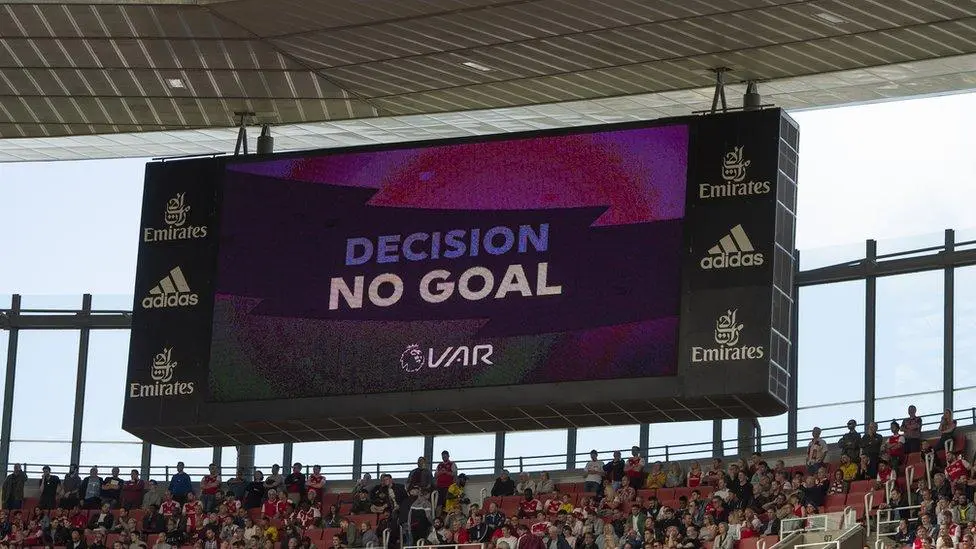
Technology will also play a bigger role in ensuring fair decisions.
The Video Assistant Referee system, commonly known as VAR, will now be allowed to review additional types of incidents that were previously outside its jurisdiction. These include:
- Second yellow cards that lead to a red card
- Incorrect corner-kick decisions
- Situations where the wrong player or team is penalized
By expanding VAR’s scope, officials hope to reduce clear refereeing mistakes without interrupting the flow of matches unnecessarily.
A New Era for the World Cup
These rule changes will debut on the global stage during the 2026 FIFA World Cup, which will also introduce another historic shift: the expansion of the tournament to 48 national teams.
With more matches, more teams, and a larger global audience than ever before, FIFA believes these reforms will help ensure that the competition remains fast, exciting, and fair.
Conclusion
Football has always evolved, adapting its rules to protect the spirit of the game while keeping pace with modern competition. The latest changes approved by FIFA represent a clear effort to eliminate time-wasting, improve fairness, and increase the amount of active playing time during matches.
If successfully implemented, the reforms could significantly influence the rhythm of international football. Fans watching the 2026 World Cup may notice quicker restarts, fewer delays, and more consistent refereeing decisions resulting in a faster and more dynamic spectacle on the world’s biggest stage.