

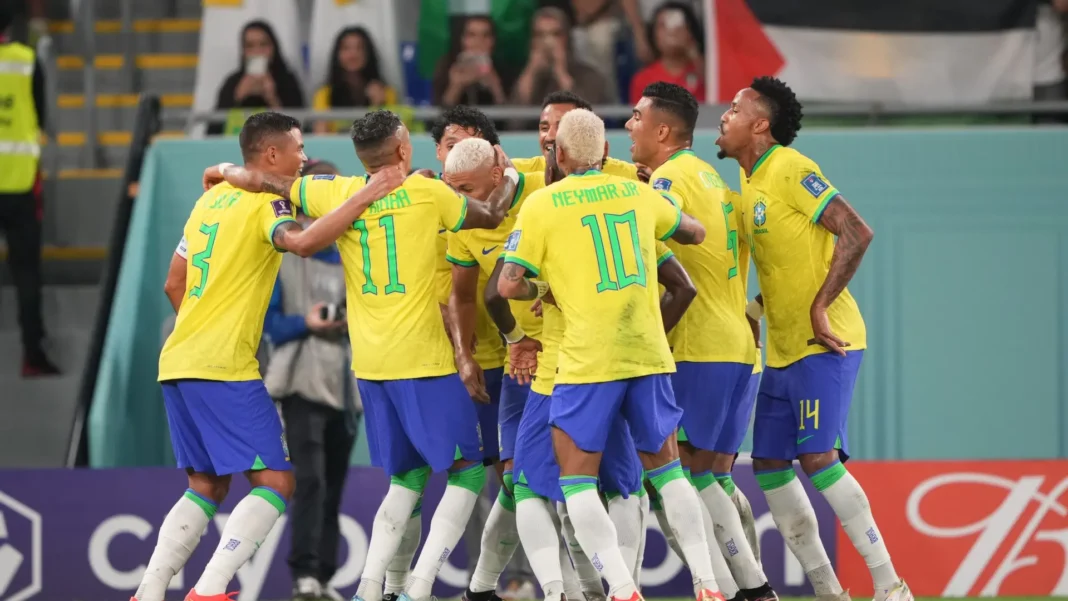

Brazil head into the 2026 FIFA World Cup with renewed ambition and a squad built around a new generation of stars. After years of relying on individual brilliance, the Seleção are now shaping a more balanced team, combining explosive attacking talent with defensive solidity and world-class experience in goal.
For Brazil to finally secure their long-awaited sixth World Cup title, the performances of a few crucial players could define their campaign. Here are the five key players expected to carry Brazil’s hopes in 2026.
1. Vinícius Júnior – The Attacking Catalyst
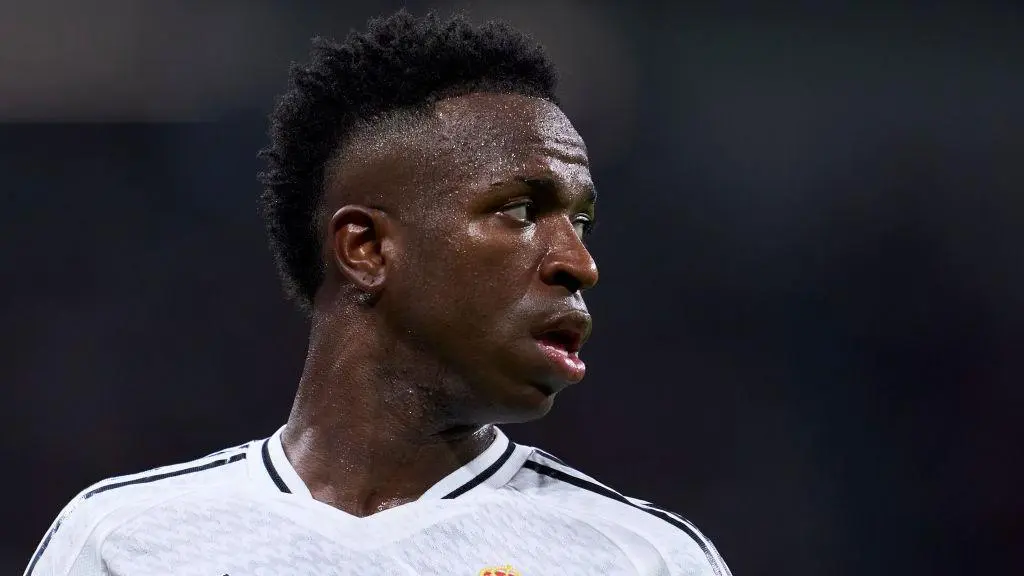
Vinícius Júnior has evolved into the central figure of Brazil’s attacking identity. Operating primarily from the left flank, he stretches defensive structures through pace, direct dribbling, and constant vertical movement.
Beyond flair, Vinícius now combines efficiency with creativity. His improved decision-making in the final third allows Brazil to convert transitions into genuine scoring opportunities rather than moments of isolated skill. He forces defensive lines deeper, creating space for midfield runners and opposite-side attackers.
In tournament football, where defensive blocks are compact and opportunities limited, players capable of destabilising structure become invaluable and Vinícius provides that chaos Brazil thrive upon.
Why he’s crucial:
- Elite 1v1 dribbling ability
- Constant vertical threat in transitions
- Creates space for teammates through movement
Beyond statistics, Vinícius brings emotional energy to Brazil’s attack. His confidence and fearless approach lift the tempo of matches, often shifting momentum through individual actions. Against organised defenses, Brazil’s attacking rhythm frequently begins with his ability to break shape.
2. Rodrygo – The Tactical Difference Maker
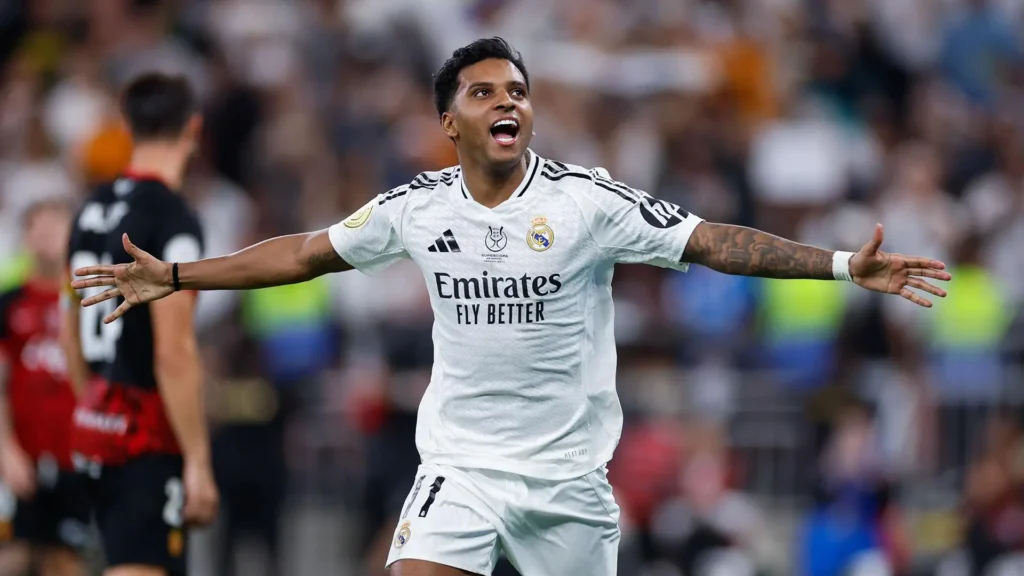
Rodrygo provides tactical flexibility that modern international football demands. Comfortable across the frontline, he can operate as a right winger, second striker, or central forward depending on match dynamics.
Rodrygo’s greatest strength lies in decision-making under pressure. Rather than relying purely on pace, he excels through intelligent positioning and timing of runs, often appearing in decisive spaces during critical moments.
His adaptability allows Brazil to shift formations mid-game without disrupting attacking cohesion, a crucial advantage in knockout matches where tactical adjustments decide outcomes.
Why he’s crucial:
- Positional versatility across attack
- Clinical finishing in decisive moments
- Intelligent off-ball movement
In tight contests, Rodrygo often becomes Brazil’s unpredictable element. Defenders struggle to track his movement between lines, and his composure ensures Brazil maintain efficiency when chances finally appear.
3. Gabriel Magalhães – The Defensive Anchor
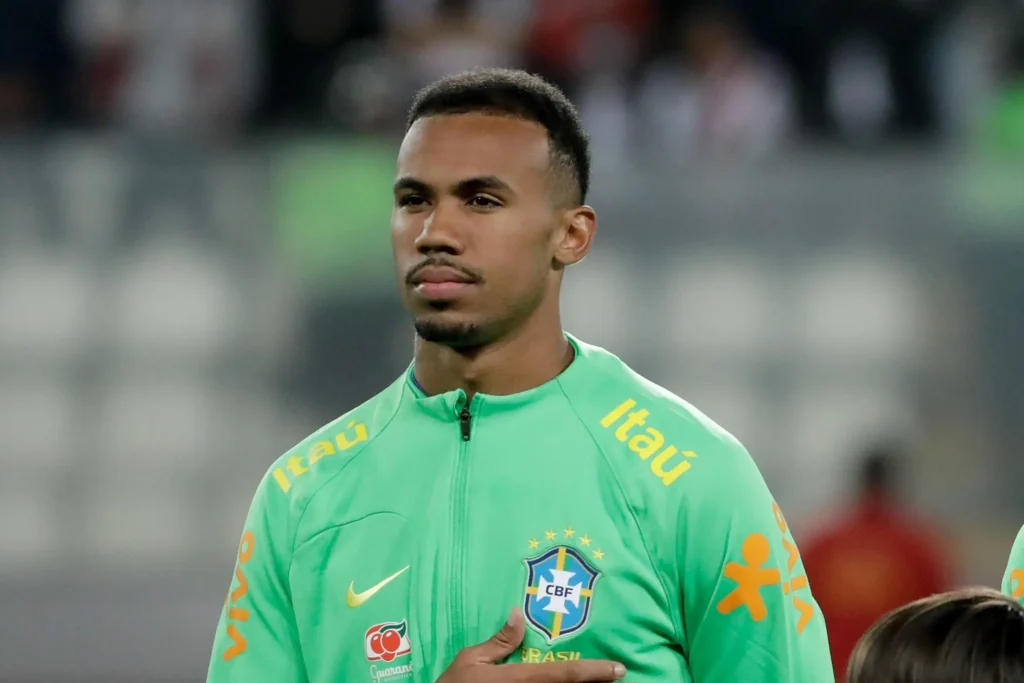
Tournament success is built on defensive reliability, and Gabriel Magalhães provides Brazil with structural stability at the back.
Physically dominant and positionally disciplined, Gabriel thrives in aerial duels and defensive transitions. His anticipation allows him to neutralise threats early, preventing opponents from sustaining attacking pressure.
More importantly, his presence enables Brazil’s attacking full-backs to advance with confidence, knowing defensive coverage remains secure behind them.
Why he’s crucial:
- Strong aerial dominance
- Defensive organisation and positioning
- Composure in buildup play
Beyond individual defending, Gabriel brings balance to Brazil’s overall structure. His calm distribution from deep areas helps initiate attacks while maintaining defensive compactness, a key requirement in high-stakes tournament matches.
4. Raphinha – The Creative Connector
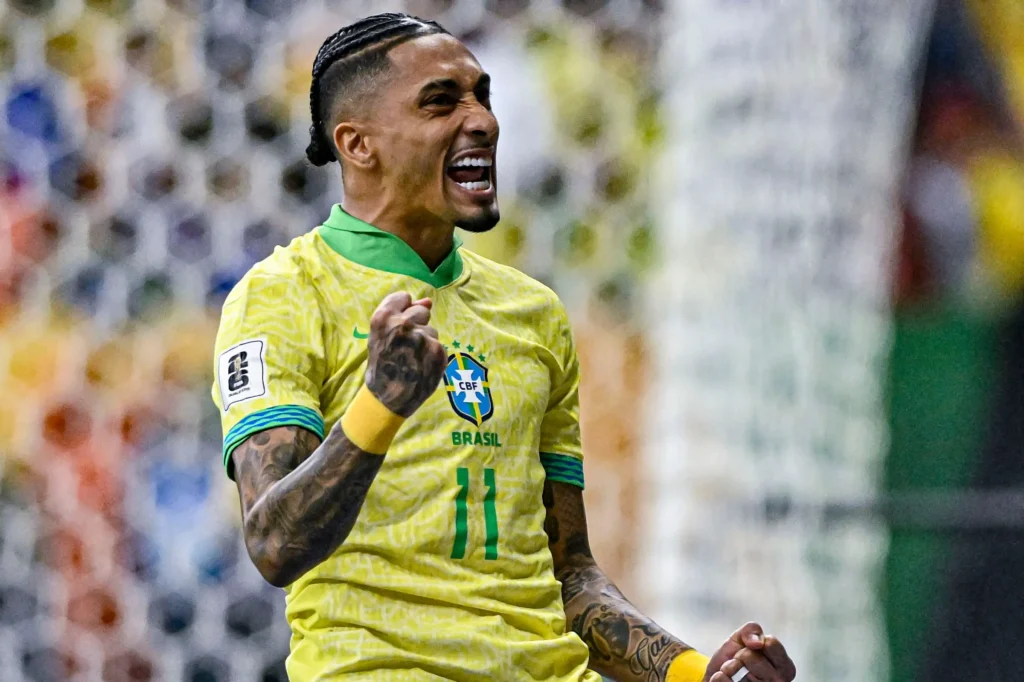
Raphinha acts as Brazil’s tactical connector between midfield control and attacking penetration. Operating from the right side, he blends creativity with tactical discipline.
Unlike traditional wingers focused purely on flair, Raphinha contributes heavily without possession. His pressing intensity and defensive tracking allow Brazil to maintain shape while sustaining attacking pressure.
He frequently drifts into central spaces to overload midfield zones, helping Brazil progress the ball through structured combinations rather than individual improvisation.
Why he’s crucial:
- Chance creation and crossing quality
- Defensive work rate and pressing
- Tactical intelligence in positional play
In knockout football, balance between attack and structure becomes essential and Raphinha embodies that equilibrium, ensuring Brazil remain dangerous without becoming vulnerable.
5. Alisson Becker – The Defensive Assurance
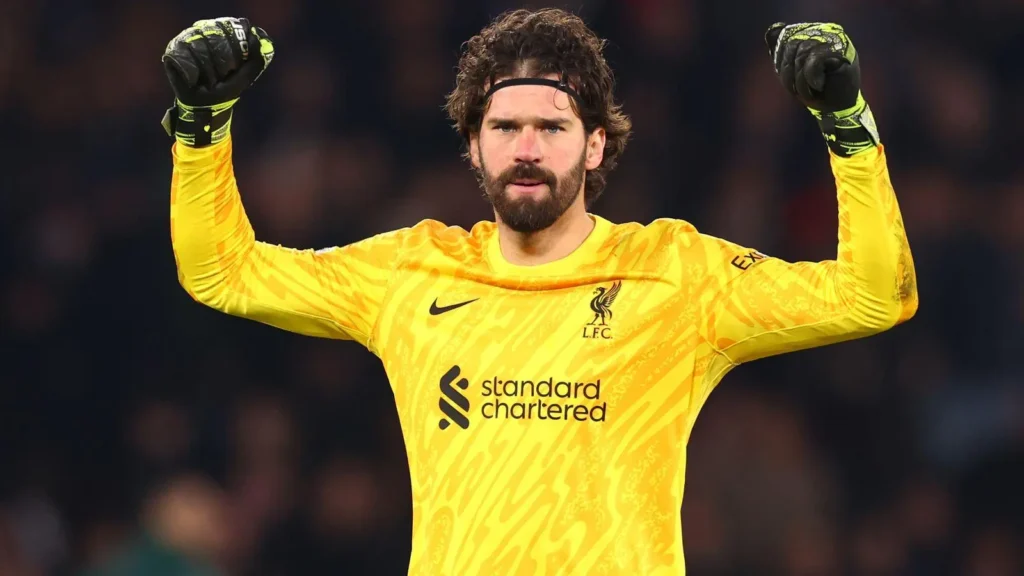
Every World Cup contender requires a goalkeeper capable of defining moments, and Brazil possess one of the world’s best in Alisson Becker.
Alisson’s composure under pressure transforms Brazil’s defensive confidence. His positioning, reflex saves, and command of the penalty area provide security during high-pressure phases when momentum shifts toward opponents.
In tournament football, matches are often decided by single moments, a penalty save, a one-on-one stop, or late defensive intervention and Alisson consistently delivers reliability in those scenarios.
Why he’s crucial:
- Elite shot-stopping ability
- Calm distribution from the back
- Leadership and defensive organisation
Beyond saves, Alisson improves Brazil’s buildup play. His passing range allows the team to bypass opposition pressing structures, turning defensive situations into attacking opportunities.
Could Neymar’s Presence Be the Deciding Factor for Brazil’s World Cup Glory?
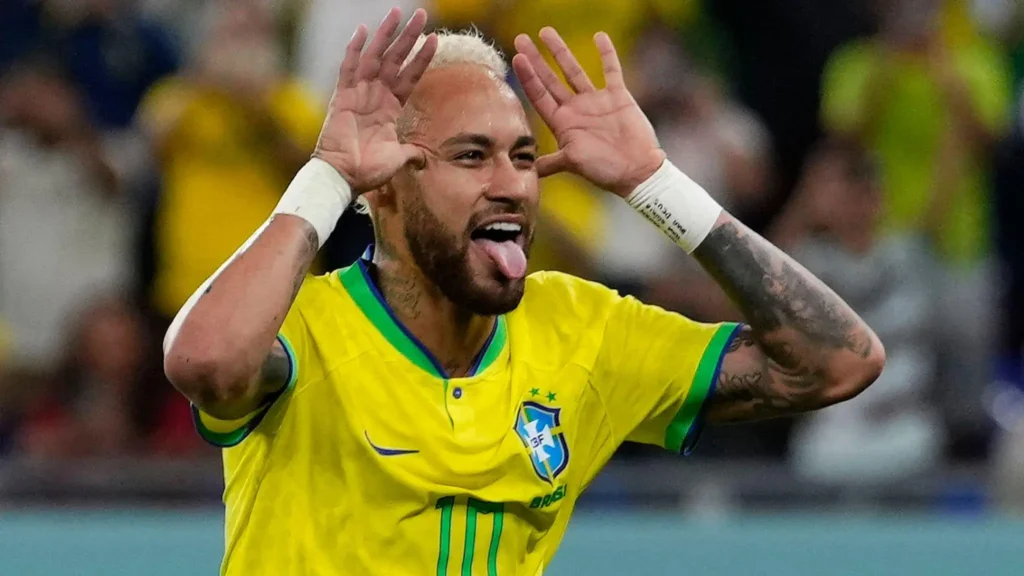
Even as Brazil transition toward a new generation, the question surrounding Neymar remains unavoidable. Few players in world football carry the same combination of creativity, experience, and psychological influence on a national team.
For many within Brazil’s squad, the 2026 tournament could represent the final World Cup appearance of Neymar, adding emotional significance to the campaign. Younger stars like Vinícius Júnior and Rodrygo grew up watching Neymar lead the Seleção, and playing alongside him in what may be his last global stage could serve as extra motivation. His presence brings not only quality but a shared sense of purpose, as teammates aim to deliver a triumphant farewell to one of Brazil’s modern icons, transforming personal ambition into collective belief during decisive moments.
Conclusion:
Brazil’s World Cup ambitions in 2026 will rely on collective balance rather than individual dependence. Vinícius Júnior provides attacking explosiveness, Rodrygo adds tactical unpredictability, Raphinha ensures creative structure, Gabriel Magalhães anchors the defense, and Alisson offers elite security in goal.
Together, they form a spine capable of competing with the world’s strongest nations. In modern tournament football, success belongs not only to the most talented teams but to the most complete ones and this core group gives Brazil both identity and stability.
If these players perform at their peak, Brazil may finally take another decisive step toward reclaiming football’s greatest prize.