


2026 FIFA World Cup format explained: 48 teams to play 104 matches to win the ultimate prize
The 2026 FIFA World Cup will be a historic one, for many reasons. With the USA, Mexico and Canada co-hosting the World Cup this year, the biggest talking point is the expansion of the tournament to 48 teams.
More teams means more games, more drama, more money to be made, and potentially more fatigue for the players.
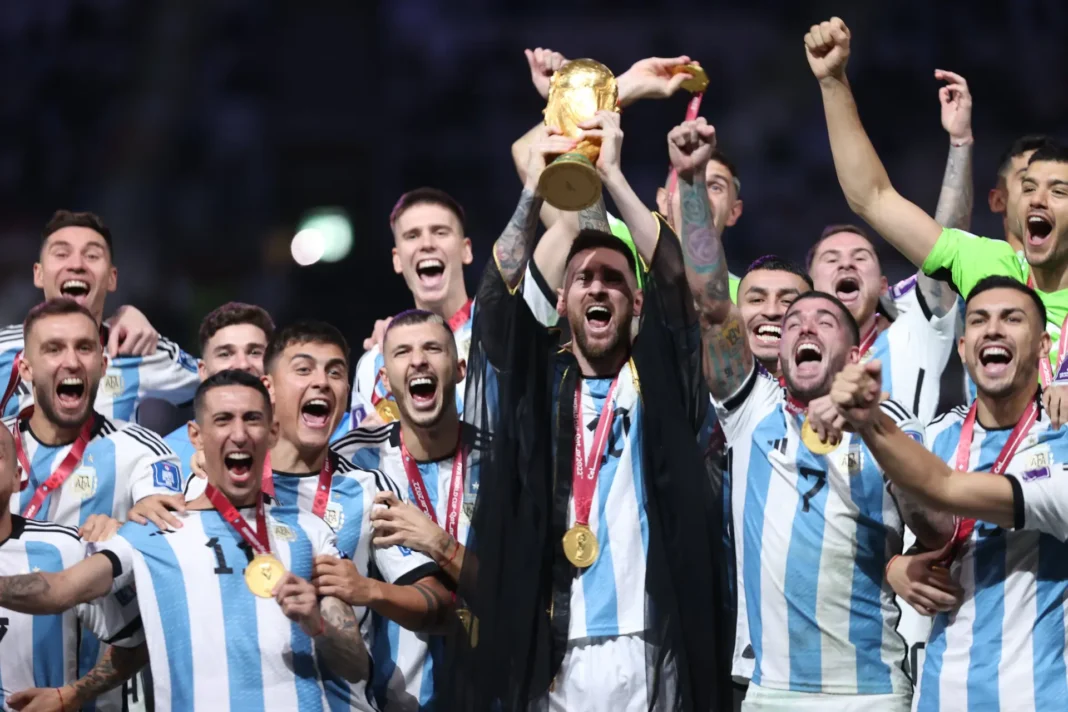
The previous edition of the FIFA World Cup, won by Argentina, saw Lionel Messi’s team play 7 games, but this year’s winners would have won 8 games when they lift the trophy on 19 July.
Here’s how FIFA will manage the 48 teams, with a few changes to the format of the coveted tournament.
FIFA World Cup 2026, new format explained
The FIFA World Cup 2026 begins on 11 June. For the first time, 48 teams will be playing the tournament. With more teams, the number of matches automatically shoots up to 104 matches (40 more than the last edition). An additional round of 32-phase is being introduced from this edition, which means teams have to win more games to win the World Cup.
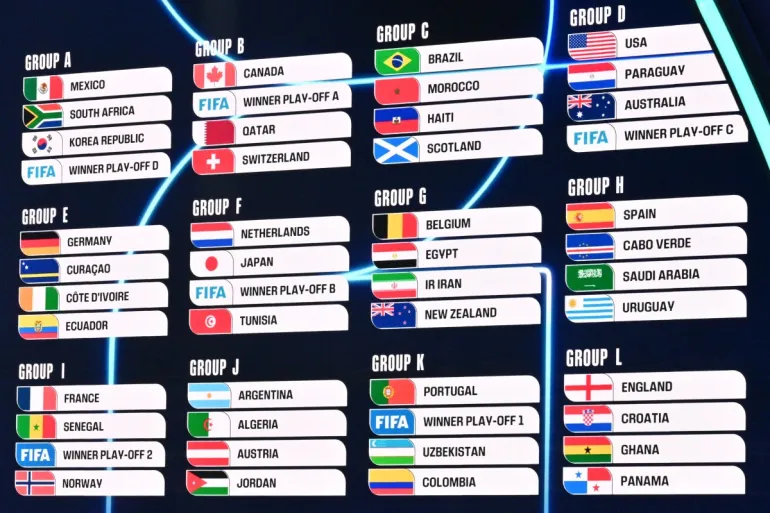
The previous format of the World Cup saw 32 teams divided into eight groups of four each. Now, since the teams have increased to 48, FIFA have adopted a model wherein 12 groups of four teams have been made. After all teams play against each other once in a round-robin format, from each of the 12 groups, the top two teams will advance to the round of 32, along with the eight best third-placed teams.
An additional round of 32 phase was introduced
24 teams who will automatically qualify from their respective groups, alongside the eight best third-placed teams, will be further seeded depending on where they finished in the group stage, and this is how the round of 32 will be finalised. In the previous format, after the group stage, teams qualified directly for the round of 16.
With the addition of the round of 32, all the teams that qualified for the knockouts will then aim to reach the round of 16, followed by the quarter-finals, semi-finals and the final on 19 July.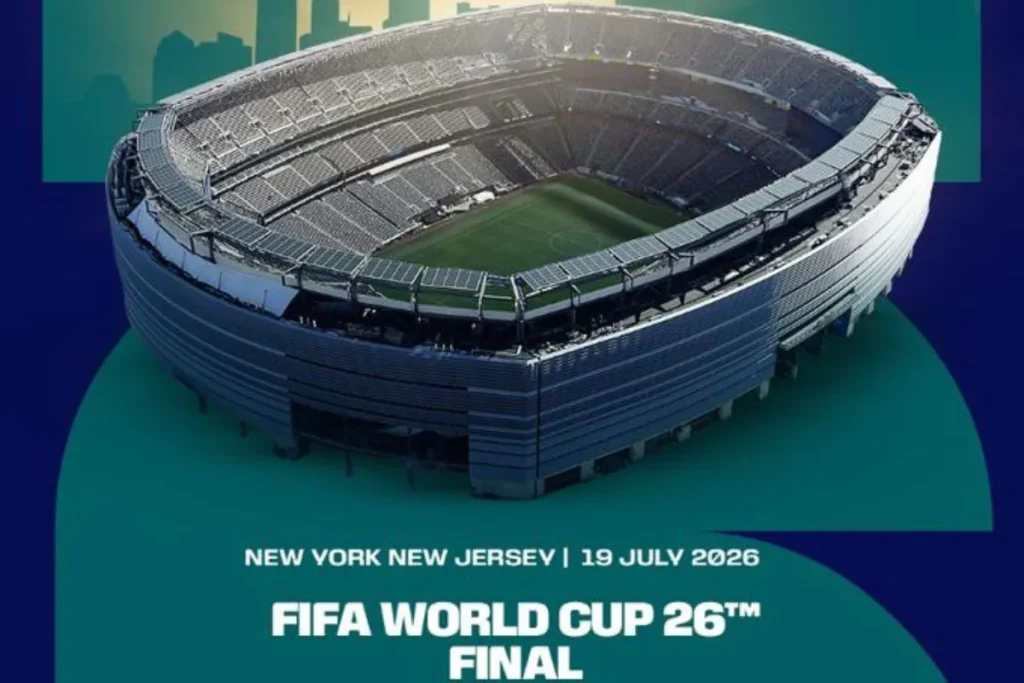
What happens if two teams finish on equal points in a group?
If two or more teams finish on equal points in a group, tiebreakers are used. For example, A and B finish on equal points, then it will boil down to their goal-difference. If the tie remains, the team that scored more goals will progress. If A and B have scored an equal number of goals and their goal-difference is the same, it will boil down to tiebreakers for matches between A and B.
How will the 8 third-placed teams be decided?
Teams that finish in third place in their respective group, having the highest number of points, will go through. Then again, it will go down to goal-difference, goals scored, team conduct (fair play), and FIFA World rankings would be the last parameter, if required.