


What Is Boxing Day?
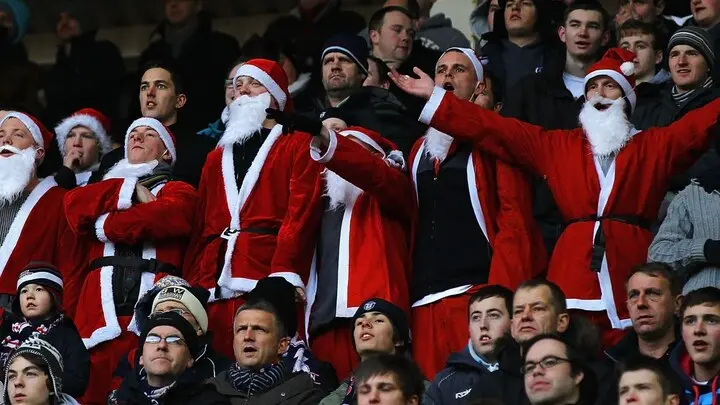
Boxing Day is observed on 26 December, the day after Christmas, and holds a special place in British culture. Its roots go back to the Victorian era, when wealthy households and businesses would give small “Christmas boxes” filled with money, gifts, or food to servants, workers, and people in need. Churches also opened donation boxes to distribute charity. The day symbolised generosity, rest, and community after Christmas celebrations.
Over the years, Boxing Day has changed in meaning. While charity remains part of its history, the day is now equally known for shopping sales, family time, and most famously in England, football.
How Football Became Part of Boxing Day :
Football and Boxing Day have shared a connection for more than a century. As early as the late 1800s, football matches were organised on this day because people were free from work and could easily attend games. Stadiums were local, travel was minimal, and communities would turn out in large numbers to support their teams.
Even before the Premier League existed, Boxing Day fixtures were considered special. Local rivalries were often scheduled, adding extra intensity and emotion to the matches. For many fans, attending a Boxing Day game became a yearly tradition passed down through generations.
Boxing Day in the Premier League Era :
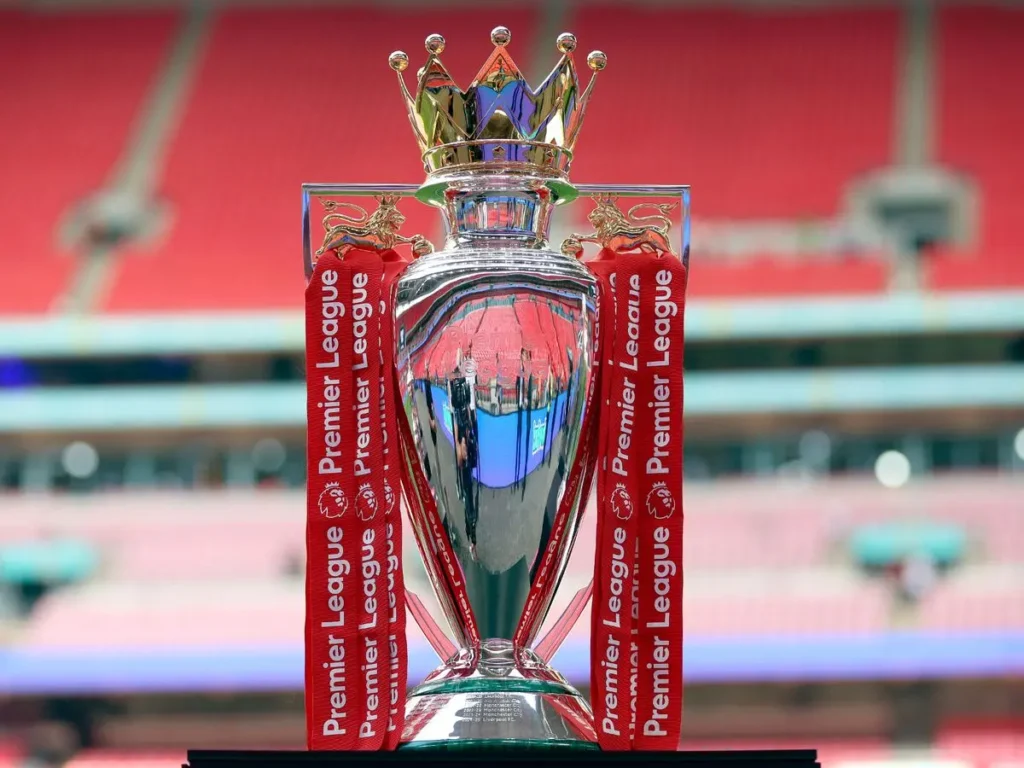 Since the Premier League began in 1992, Boxing Day has grown into a global football spectacle. While most European leagues shut down for a winter break, the Premier League continues through the festive period. This makes Boxing Day unique and one of the most anticipated matchdays of the season.
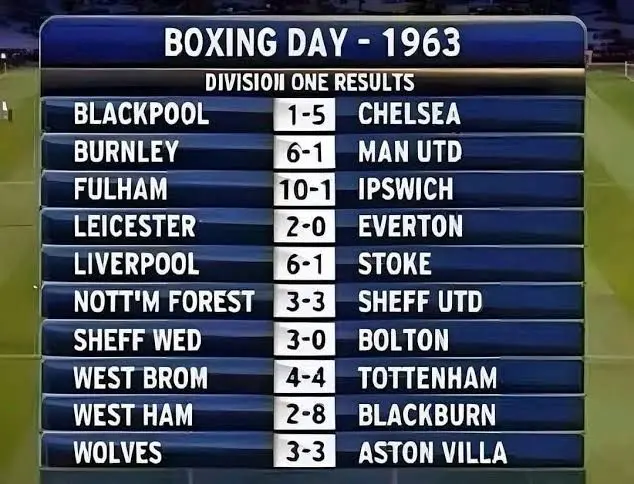
Matches are played throughout the day, allowing fans to watch football from afternoon to night. Because players have just come through a busy run of games, Boxing Day fixtures are often unpredictable. Fatigue, injuries, and squad rotation can level the playing field, leading to surprise results, dramatic comebacks, and high-scoring games. Many iconic Premier League moments have happened on Boxing Day, title races taking unexpected turns, underdog victories, and young players seizing their chance on the big stage.
Why Boxing Day Football Is So Special :
For managers and players, Boxing Day is a serious challenge. Teams must rely on squad depth, smart rotation, and mental strength during the most demanding part of the season. A good Boxing Day result can set the tone for the weeks ahead.
For fans, however, Boxing Day football feels personal. Watching matches with family after Christmas lunch, attending games as part of holiday plans, or simply following scores all day has become a ritual. It blends the festive mood with the raw emotion of football.

Conclusion :
Boxing Day is more than just another date on the calendar. It reflects the tradition, resilience, and uniqueness of English football. In the Premier League, Boxing Day stands as a celebration of history, community, and the unpredictable beauty of the game, a tradition that continues to capture the attention of fans around the world.