



There’s a particular moment in Manchester City’s recent matches that reveals everything about Phil Foden’s transformation. Watch him receive the ball 30 yards from his own goal, surrounded by opposition midfielders pressing frantically. A quick feint, a sharp turn, and suddenly he’s gliding forward with three defenders left grasping at air. This isn’t the Foden of last season, the right-winger cutting inside to shoot. This is something altogether different, something deeper, something perhaps more fundamental to how Pep Guardiola is reimagining Manchester City’s entire identity.
The question isn’t whether Guardiola is reinventing Foden’s role. The question is whether this reinvention represents the City’s evolution from systematic dominators to tactical chameleons capable of winning in entirely new ways.
The Ghost of 2023-24 Season’s Glory
Foden’s 2023-24 campaign can’t be ignored or understated. Twenty-seven goals across all competitions, including 19 in the Premier League as City secured an unprecedented fourth consecutive title. Those numbers earned him the Player of the Season and Football Writers’ Association Footballer of the Year awards, recognition that felt long overdue for a player who’d been exceptional for years without receiving proper credit.
But context matters. That season, City forced opponents to play almost exclusively in their own penalty box, operating with ferocious pressing intensity that suffocated opposition build-up play. Teams couldn’t escape their own half, couldn’t find passing lanes, couldn’t breathe. City’s tactical approach created tight spaces in the final third, and Guardiola deployed Foden creatively on the right side, where he could invert, come inside, and exploit those congested areas with his exceptional close control and vision.
Foden thrived because City’s system created exactly the conditions where his strengths flourished: small spaces, quick combinations, opponents pinned back, and desperation. He was the player who made magic happen when there seemed to be no room for magic at all.
The Tactical Revolution Nobody Noticed
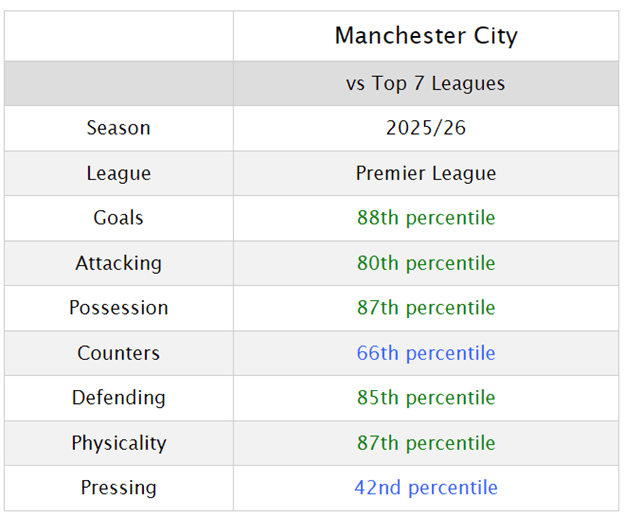
Something fundamental has changed in how Manchester City operates this season, and it’s reshaping everything, including Foden’s role. The pressing intensity that defined last season’s relentless approach has dropped noticeably. Opposition teams now have more time on the ball, more space to operate, and more opportunity to build attacks.
This isn’t regression or decline- it’s deliberate evolution. City is inviting opponents forward, luring them out of deep defensive blocks with what amounts to tactical bait. Guardiola is trusting his defence more, creating spaces in the final third and, crucially, in City’s own deeper areas. The system now revolves around absorbing pressure, breaking the press, and exploiting the spaces opponents leave when they commit forward.
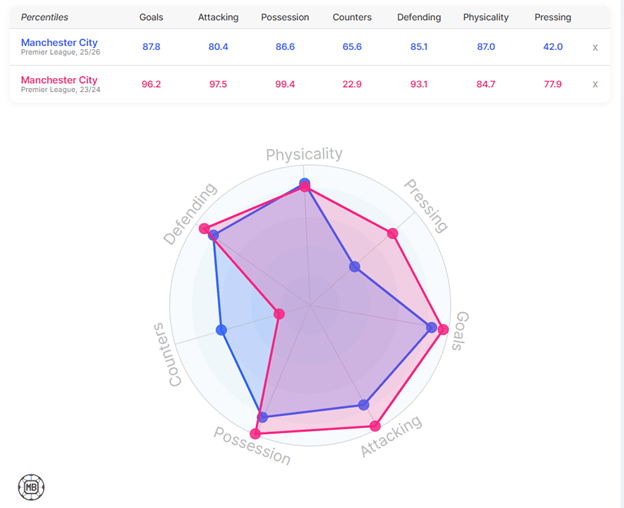
The statistics tell the story clearly. City’s counter-attacking output has increased dramatically compared to last season. They have four goals from fast breaks already, more than they managed in the entire 2023-24 campaign (three). Despite sitting at the bottom statistically for long balls attempted, their quick passing transitions and rapid counter-attacks have become devastating weapons.
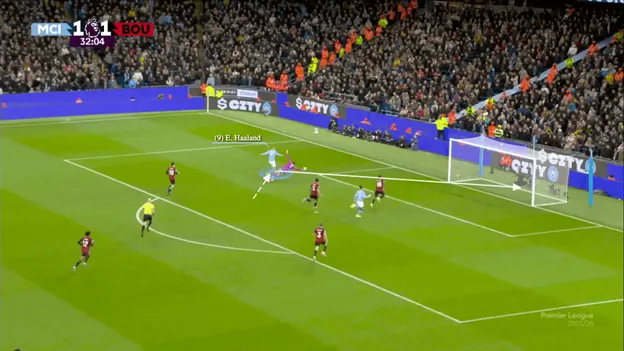
This tactical shift explains Erling Haaland’s explosive scoring form. The Norwegian now has acres of space to attack, room to utilise his frightening pace, and opportunities to exploit high defensive lines. The entire attacking structure increasingly revolves around getting Haaland into those situations where he’s virtually unstoppable.
But here’s the crucial insight: none of this works without someone capable of transitioning possession from defence to attack, someone who can receive under pressure, beat the press, and release forwards into space with perfect timing.
Enter Phil Foden, reimagined.
The Deep-Lying Playmaker Emerges
Guardiola identified this need before the season began. After a below-par campaign by Foden’s standards, the manager spoke publicly about him being “one of the best players we have in small spaces, by far.” At the time, it seemed like encouragement. In retrospect, it was a statement of intent about how Foden’s role would evolve.
The small spaces have shifted, from the final third to the middle third, from congested penalty areas to crowded midfield zones where opposition presses converge. Foden’s exceptional ability to escape tight marking, his quick feet and press-resistant nature now serve an entirely different tactical purpose.
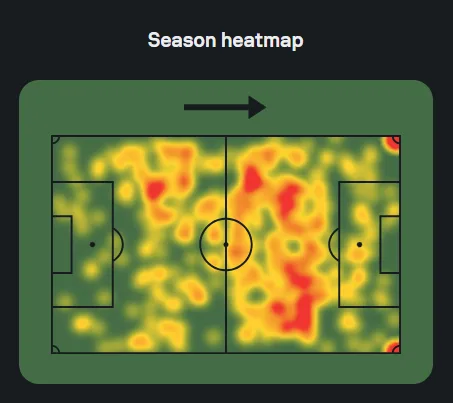
Watch him now: dropping deeper than ever before, sometimes even exchanging passes with centre-backs to establish City’s build-up structure. He’s releasing balls to attackers more frequently, carrying possession through midfield lines, and creating chances from positions 40 yards from goal rather than 12. His heat maps show a player operating as an advanced midfielder with a number eight profile- deeper, more involved in possession phases, less focused on scoring himself and more concerned with unlocking others.
The Ødegaard Template
There’s a useful comparison here with Martin Ødegaard’s role at Arsenal. The Norwegian captain drops deep regularly, sometimes collecting the ball alongside centre-backs to add depth to Arsenal’s build-up play. Once possession progresses and the press is broken, he surges forward to join attacking moves, becoming the creative hub that links midfield to attack.
Foden is replicating this structure at City. He drops into deeper positions during the build-up phase, helping City navigate opposition pressure with his technical security and spatial awareness. Once the press is beaten and space opens up, he accelerates forward, joining the attack with perfectly timed runs and incisive passes.
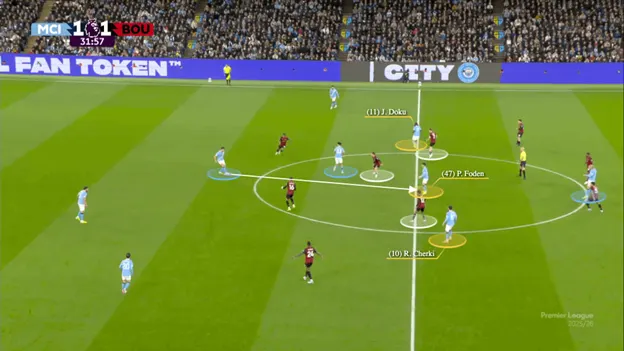
The parallel isn’t coincidental; both players possess exceptional technical ability, press resistance, and the tactical intelligence to understand when to drop deep and when to push forward. Both operate as the fulcrum between defence and attack, the player who makes everything else possible.
Why It Works
Foden’s transformation succeeds because his fundamental strengths haven’t changed- they’ve been redirected. His ability to thrive in small spaces now helps City escape their own third rather than penetrate the opponent’s. His quick decision-making and precise passing now initiate attacks rather than finish them. His movement and positioning now create passing lanes in congested midfield areas rather than shooting opportunities in the penalty box.
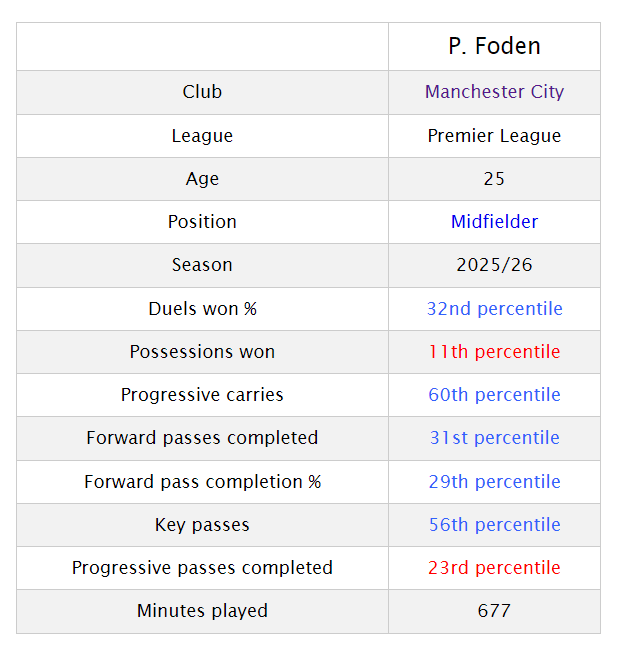
The statistics support this evolution: Foden is creating more chances than ever, carrying the ball through more zones, completing more progressive passes. His goal output has decreased, but his overall impact on City’s attacking structure has arguably increased. He’s become the connector, the player who transforms defensive possession into an attacking opportunity.
Guardiola is getting the best out of Foden precisely because he’s recognised how City’s tactical evolution requires different qualities in different areas. Last season’s system needed Foden wide, cutting inside, and shooting frequently. This season’s system needs him deeper, connecting phases, releasing others.
Guardiola’s Tactical Philosophy: Always Evolving
This transformation reveals something fundamental about Guardiola’s genius: his refusal to remain static even when successful. City won four consecutive titles playing one way, yet here’s Guardiola completely reimagining his approach because he understands that tactical dominance requires constant evolution.
Opponents had adapted to the City’s relentless high press. They’d learned to defend deep, absorb pressure, and frustrate attacks. So Guardiola changed the game, inviting pressure, creating different spaces, and exploiting transitions. And crucially, he recognised that this new approach required Foden in a different role.
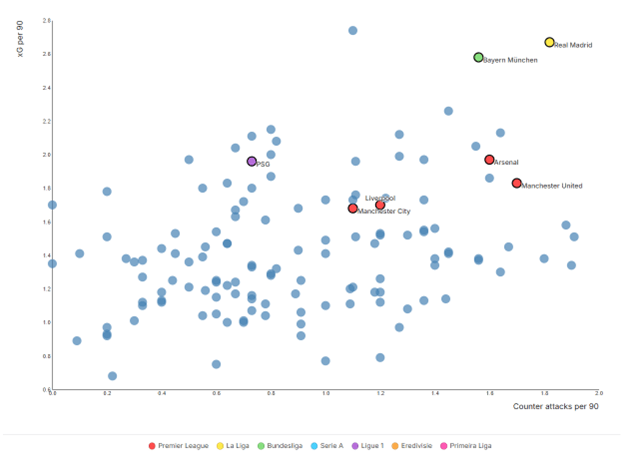
The small spaces haven’t disappeared- they’ve migrated. Guardiola has migrated with them. And Foden, being the exceptional player he is, has migrated too.
The Verdict
Is Pep Guardiola reinventing Phil Foden? Absolutely. But it’s not reinvention for its own sake- it’s tactical necessity born from strategic evolution. City’s shift from pressing dominators to transition specialists requires someone who can beat pressure, progress possession, and unlock attackers. Foden possesses exactly those qualities.
His deeper role isn’t a demotion or limitation- it’s liberation. He’s now influencing matches from the first pass to the final ball, operating across multiple zones, making City function in ways that complement Haaland’s devastating finishing while maintaining the control that’s defined Guardiola’s football for two decades.
Last season, Foden was the goal-scorer. This season, he’s becoming the orchestrator. The goals may decrease, but the importance won’t. Sometimes the most crucial players aren’t the ones finishing attacks- they’re the ones making attacks possible.
Phil Foden is learning that lesson in real time, under the greatest tactical mind in modern football. And Manchester City are reaping the rewards.