

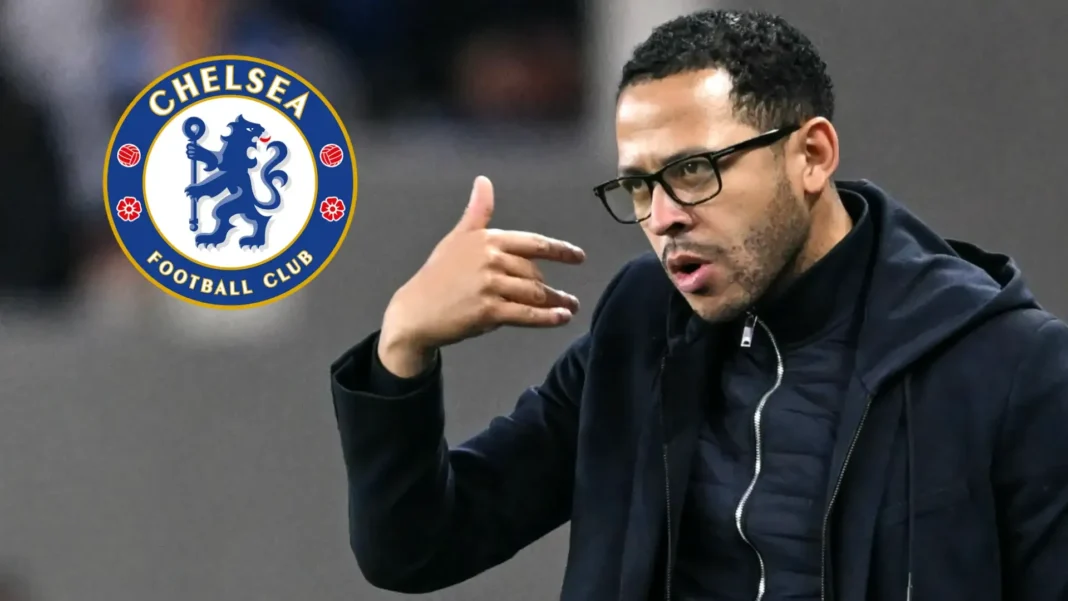

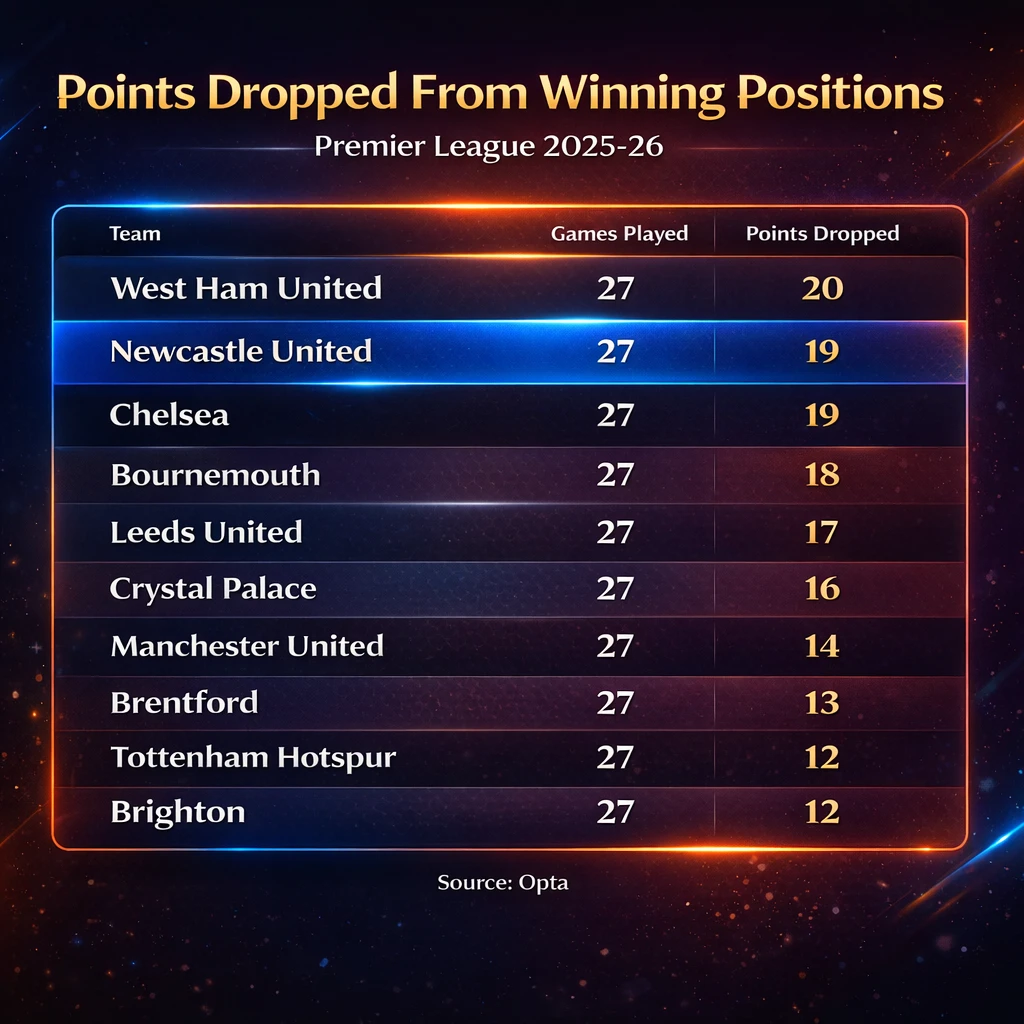
Liam Rosenior inherited a Chelsea squad brimming with talent, but grieving the one ingredient money can’t buy: leadership. Three months into his tenure, the structural tweaks are visible, the tactical identity is forming, but the same old fragilities keep resurfacing. Nineteen points dropped from winning positions, joint second-worst in the league. Red cards are accumulating like parking tickets. Set-piece chaos that would embarrass a Sunday league side. The numbers tell a story Chelsea fans are tired of hearing.
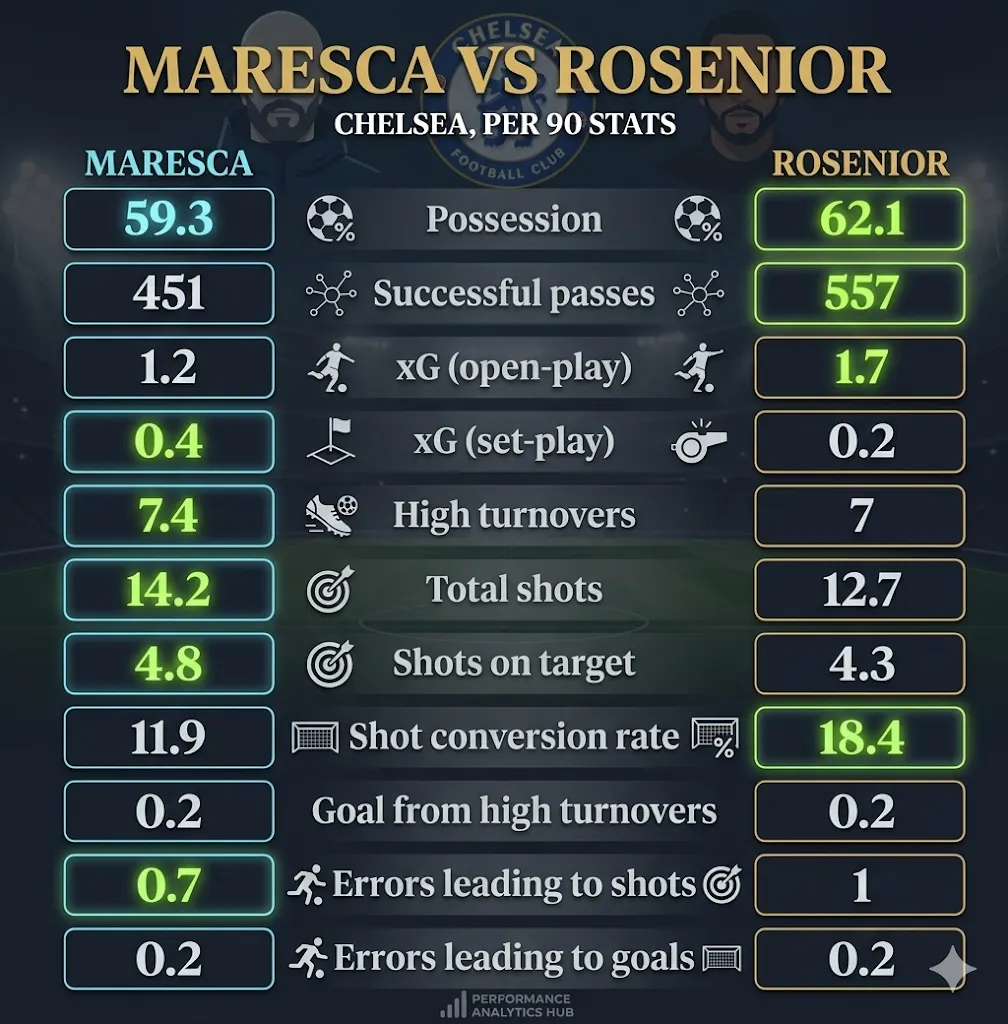
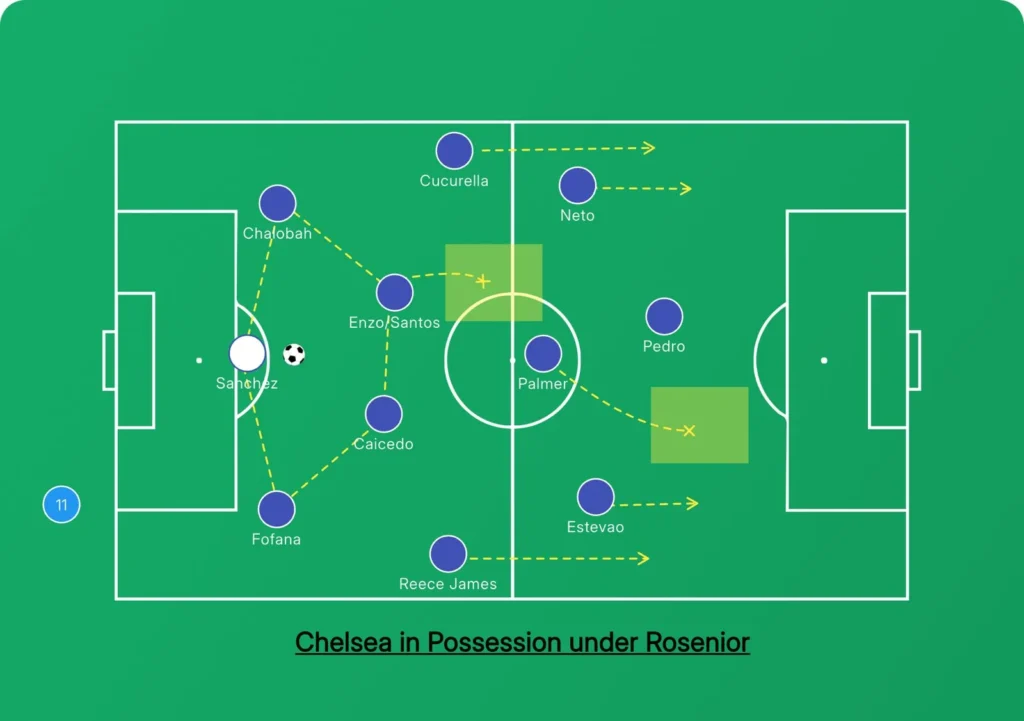
Rosenior has made his mark tactically, shifting away from Enzo Maresca’s inverting fullbacks toward a more traditional wide setup. Reece James now operates higher as a proper right-back, part of a build-up structure that creates a wide 3-2 shape with split center-backs, advanced fullbacks, and heavy goalkeeper involvement. The aim is clear: retain possession while enabling quick rotations and what Rosenior calls “incision” in the final third. Against Burnley, Andre Santos’ pass for Chelsea’s opener exemplified the concept, a direct, piercing ball that bypassed midfield congestion entirely. It’s an approach designed to maintain control while accelerating attacks, and early evidence suggests it can work when executed properly.
But here’s the problem: execution requires composure, communication, and game management, qualities this Chelsea squad demonstrably lacks. The Burnley match encapsulated everything wrong with this team. Leading comfortably, Chelsea somehow contrived to drop two points late on, prompting boos from the home crowd that echoed long after the final whistle. It wasn’t an isolated incident; it’s become the blueprint. Playing with 10 men has become routine; individual errors on set pieces persist despite coaching interventions, and no one seems capable of steadying the ship when it starts to list.
The leadership vacuum is staggering. Watch Enzo Fernandez during Aston Villa corners, static and silent while attackers peel off unmarked. Observe Moises Caicedo offering nothing verbally as Napoli’s overlaps go unchecked, then compare that to Declan Rice at Arsenal, who constantly organises, points, and demands. Watch Axel Disasi and Benoit Badiashile fail to coordinate against West Ham, two centre-backs occupying the same space while strikers ghost into acres of room behind them. Chelsea doesn’t have a single player willing to grab teammates by the shirt and demand better. When chaos descends, no one takes responsibility. Arsenal players never stop talking. Chelsea’s barely started.
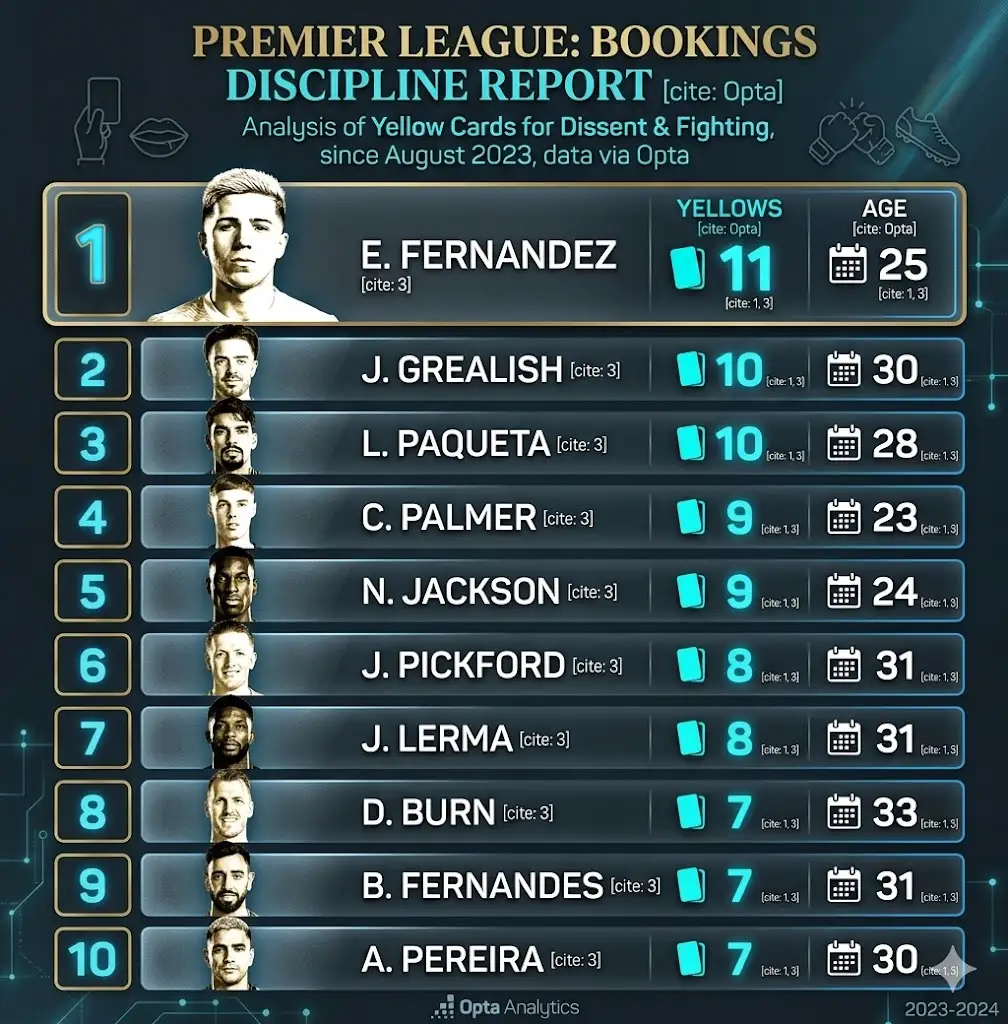
Rosenior acknowledged the issue without sugarcoating it. “We’re still identifying who the reliable players are,” he admitted recently, a damning indictment of a squad assembled at extraordinary cost. The problem is compounded by a packed fixture schedule that limits training time, meaning issues that should be drilled out on the practice pitch instead get exposed under lights on matchday. Fans are frustrated, and rightly so. The direction feels muddled, the progress incremental at best.
Yet Rosenior deserves some credit. His early substitutions prioritise energy over rigid tactical adherence, a pragmatic recognition that this young squad lacks the nous to see games out through control alone. His calm demeanour cracked after the Burnley debacle, visible anger replacing his usual measured tone, a sign he understands the urgency. Champions League qualification remains the target, but statistical shifts have been minimal. Expected goals figures haven’t improved dramatically, shot volume remains similar, though chance quality has ticked up against weaker opposition.
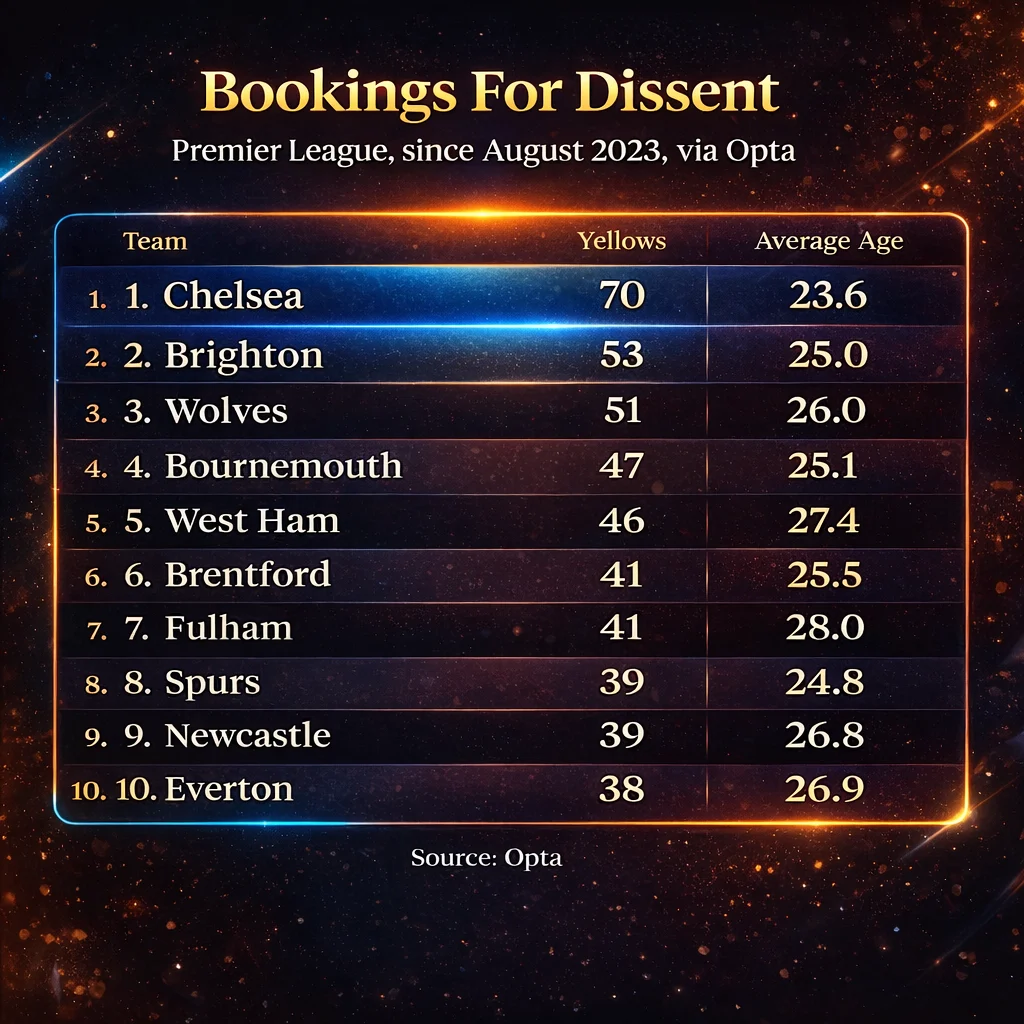
The structural changes are sound. The wide 3-2 shape provides a foundation for progression, James operating higher stretches defences, and goalkeeper involvement adds an extra outlet. But tactics only matter if players execute them under pressure, and Chelsea’s squad repeatedly proves incapable of doing so. You can coach patterns of play, passing angles, and pressing triggers. You can’t coach someone to demand more from teammates in the 89th minute when concentration lapses threaten points.
Chelsea’s problem isn’t tactical, it’s cultural. Until someone emerges to impose standards, to organise when others panic, to take responsibility when things unravel, all the structural tinkering in the world won’t matter. Rosenior is building something, but he’s building it on sand.