

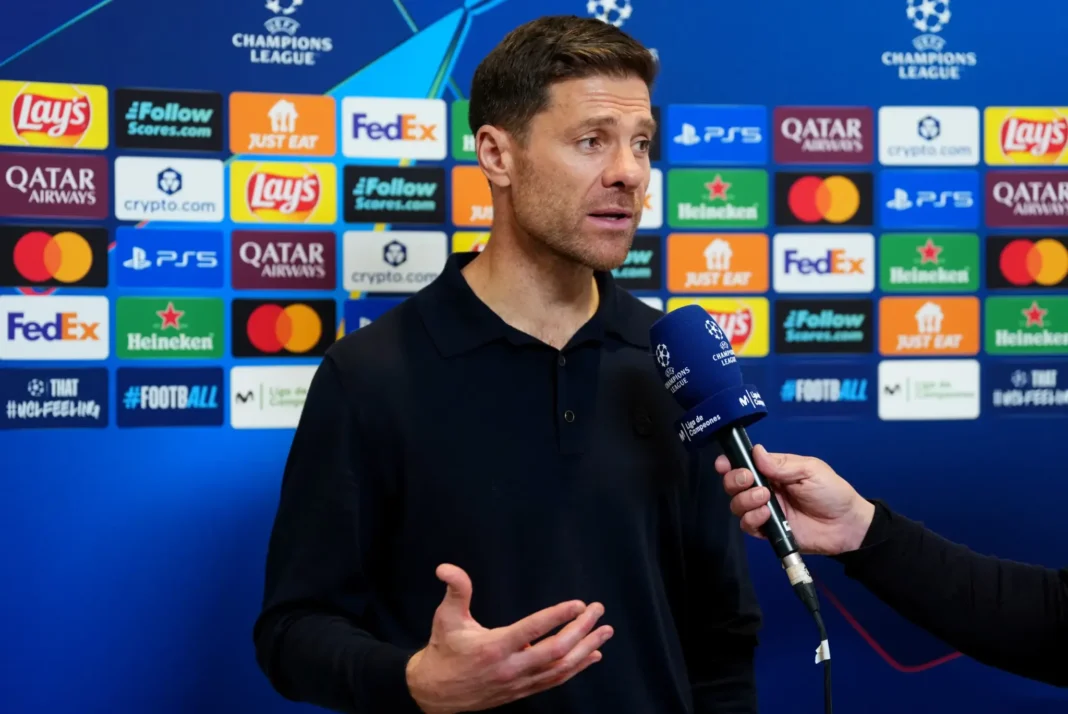

There’s a particular type of pressure that exists only at Real Madrid- a suffocating combination of history, expectation, and impatience that has broken managers far more experienced than Xabi Alonso. The Spaniard arrived at the Santiago Bernabéu with a gleaming reputation earned at Bayer Leverkusen, where his progressive tactics and man-management transformed an underachieving squad into German champions. That reverence, that sense of being untouchable, has evaporated in Madrid’s unforgiving atmosphere.
Alonso now finds himself on the edge. Two wins from the last eight matches. Back-to-back defeats, including a humiliating 2-1 home loss to Manchester City. A shambolic 2-1 collapse against Celta Vigo where Madrid finished with nine men and conceded in stoppage time. Florentino Pérez’s fury after that debacle was reportedly volcanic, yet Alonso survived, temporarily. The word “temporarily” now defines everything about his tenure.
The Authority Problem
Managing Real Madrid isn’t just about tactics or training sessions. It’s about navigating a political minefield where player power can undermine even the most respected coaches. Alonso inherited a dressing room stripped of the leadership figures who once provided structure and accountability. Sergio Ramos is long gone. Luka Modrić’s influence has waned. The vacuum has been filled by younger stars whose egos haven’t been tempered by experience.
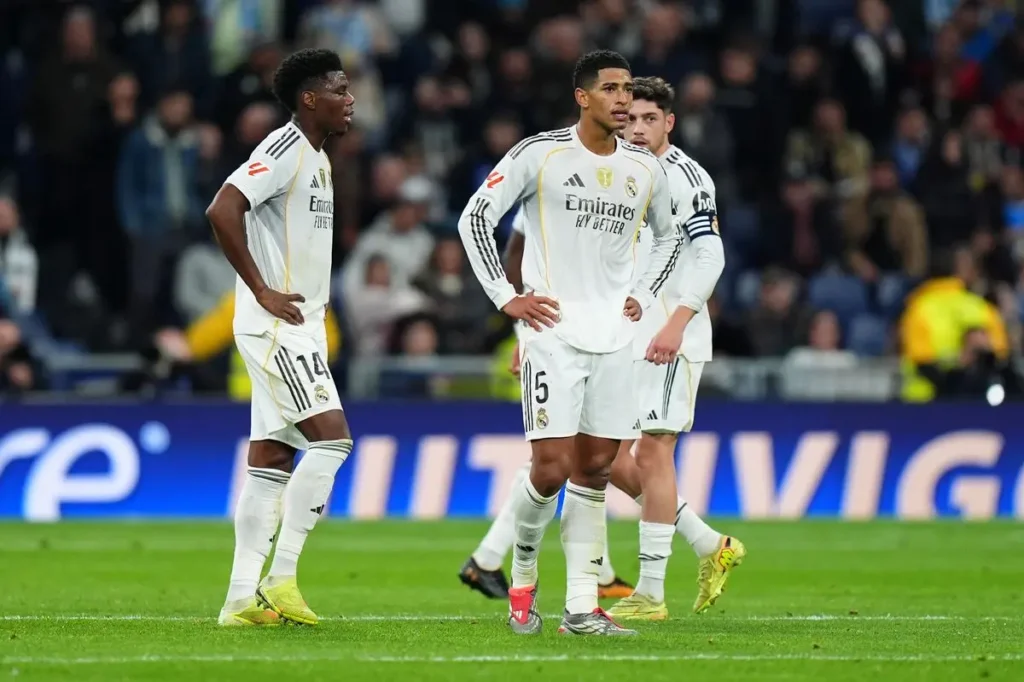 Jude Bellingham has emerged as the most vocal presence, publicly backing Alonso after the City defeat in what felt like both support and a subtle warning. Bellingham’s influence is undeniable; he’s one of the few “undroppable” stars alongside Kylian Mbappé and Vinícius Júnior. But his leadership, however well-intentioned, can’t replicate the gravitas of established winners who’ve navigated multiple crisis moments.
The Vinícius situation epitomises Alonso’s authority crisis. When the Brazilian was substituted during El Clásico, his public protest—gesturing furiously, refusing to acknowledge the decision, undermined the manager in front of millions. Vinícius later apologised to teammates, to the club, to everyone except Alonso himself. That omission spoke volumes about the manager’s standing in the hierarchy.
How does a coach impose discipline when his most talented players operate with impunity? How does he build a collective identity when superstars believe themselves bigger than the system? These questions have haunted Madrid managers for decades, but Alonso’s relative inexperience at this level makes him particularly vulnerable.
The Tactical Revolution That Isn’t Happening
Alonso was hired specifically to modernise Madrid’s approach. Carlo Ancelotti’s counter-attacking pragmatism delivered trophies but felt outdated against Europe’s most progressive sides. Pérez wanted something different, a proactive, high-pressing system that controlled matches rather than reacting to them.
The theory was sound. The execution has been chaotic. Imposing that style on a squad of superstars accustomed to conserving energy and exploding in transitions has proven nearly impossible. Vinícius and Bellingham haven’t seamlessly integrated into Alonso’s tactical vision. Reports of dressing room discontent suggest players question whether the new approach suits their strengths.
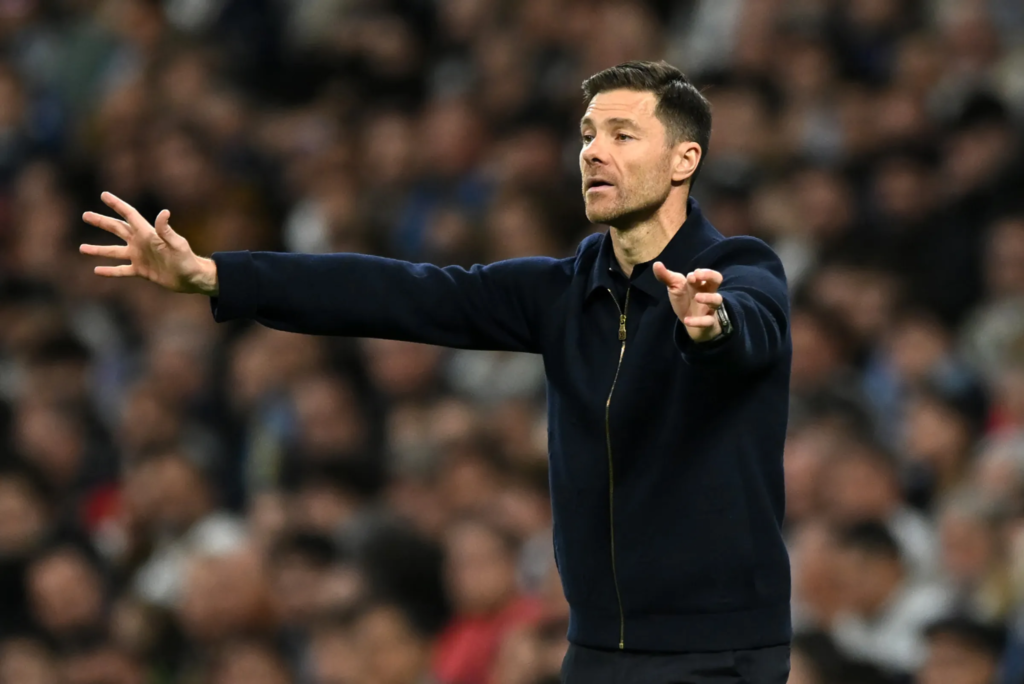
Alonso’s Leverkusen success came in a very different environment. He enjoyed close relationships with club executives, worked with players eager to prove themselves, and operated away from the media circus that defines Madrid. At Leverkusen, players revered him. In Madrid, another coach is trying to convince millionaires to run harder.
The contrast is stark and unforgiving. Tactics that worked brilliantly in Germany feel naive in Spain’s pressure cooker. The pressing triggers that exposed Bundesliga opponents get bypassed by La Liga’s technical sophistication. What looked like visionary coaching in Leverkusen increasingly resembles stubbornness at Madrid.
The Defensive Crisis Nobody Prepared For
Alonso’s struggles have been magnified by catastrophic injury luck. Éder Militão, Antonio Rüdiger, and Dani Carvajal, three pillars of Madrid’s defence, have all suffered significant injuries. Militão’s recent setback against Celta Vigo was particularly crushing, given that he was viewed as the defensive leader for the next decade.
 Madrid’s transfer policy has worsened the crisis. The strategy of signing experienced defenders on free transfers has backfired as age and fitness issues mount simultaneously. Ancelotti repeatedly requested defensive reinforcements last season, warnings the club ignored. Now Alonso inherits the consequences, forced to rely on younger, less experienced players who aren’t ready for this level of pressure.
The defensive statistics are damning. Madrid has become porous, conceding goals from set pieces, transitions, and individual errors with alarming frequency. No amount of tactical sophistication matters when your backline changes every week and lacks the cohesion developed through repetition.
The Make-or-Break Window
Alonso’s immediate future hinges on the next fixtures: Alavés in the Copa del Rey and Sevilla before the winter break. A loss to lower-league Alavés would trigger another full-blown crisis. Names like Zinedine Zidane and Raúl are already circulating as potential replacements, club legends who understand Madrid’s culture and could restore calm.
But would replacing Alonso solve anything? The defensive injuries remain. The squad depth issues persist. The structural problems that created this mess won’t disappear with a new face in the dugout. Zidane’s previous success doesn’t guarantee he’d fare better under current circumstances. Raúl lacks top-level managerial experience. The grass might not be greener; it might just be a different shade of brown.
Yet football operates on results, not sympathy. Madrid’s hierarchy won’t accept extended mediocrity regardless of mitigating circumstances. Alonso needs victories, performances, and momentum- immediately. Anything less, and the decision will be made for him.
The Impossible Job
What’s becoming clear is that Alonso represents a type of manager increasingly unsuited to elite club football: the project builder. He excels at developing systems over time, implementing tactical identities through patient repetition, and building relationships that foster buy-in. None of those qualities matters at Madrid, where results tomorrow matter more than visions for next season.
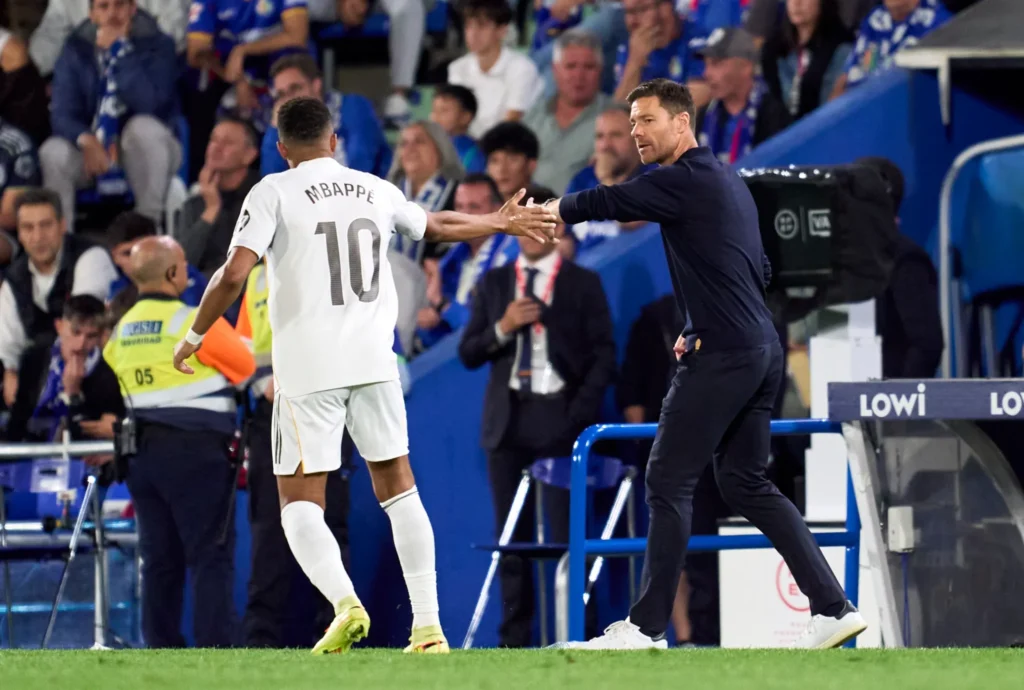 The club hired him for qualities that don’t align with their culture. They wanted modernisation but lack the patience required for genuine transformation. They wanted tactical sophistication but won’t accept the growing pains that come with systemic change. They wanted Alonso’s Leverkusen magic without understanding it emerged from the stability he’ll never enjoy at Madrid.
His situation is precarious but not entirely his fault. The defensive crisis wasn’t his creation. The squad’s ageing profile predates his arrival. The player power dynamics were established long before he walked through the door. Yet football judges managers on outcomes, not excuses. Fair or not, Alonso owns these results.
The Uncomfortable Truth
Xabi Alonso’s Real Madrid dream has collided with a nightmare he can’t control: injuries decimating his defence, superstars questioning his authority, tactics struggling to translate from Bundesliga to La Liga, and a president whose patience has already worn dangerously thin.
Whether he survives the next few weeks depends less on his coaching quality than on variables beyond his influence: injury recoveries, individual player moments, and refereeing decisions. That’s the reality of managing Madrid- your fate determined by factors you can’t control, judged against standards impossible to consistently meet.
For a manager who built his reputation on meticulous preparation and progressive thinking, the chaos must feel suffocating. At Leverkusen, he was the visionary architect. In Madrid, he’s become another name in the graveyard of talented coaches who discovered that competence alone isn’t enough.
The next few matches will determine whether Alonso gets time to prove his vision works or becomes another cautionary tale about the impossible job of managing Real Madrid. Right now, the evidence suggests the latter outcome is far more likely than the former.