

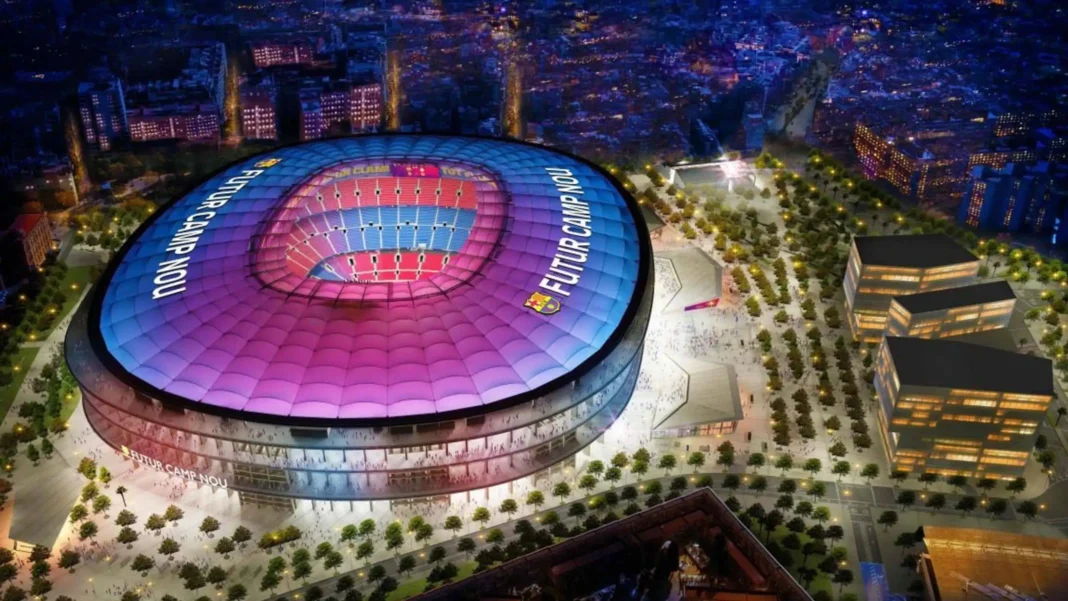

The Camp Nou for FC Barcelona and all the Culés has been more than a stadium historically; it has always stood for their proud Catalan identity through the display of football, embodied by the club’s motto, “Més que un club” (More than a club). Now, this iconic stadium has been undergoing a monumental transformation under the Espai Barça project, where the new-look Camp Nou will stand as the heart of it. The Espai Barça project is not just a mere redevelopment based on the facelift of the old stadium but a crucial and long-delayed lifeline that is intended to secure the club’s future and ensure that the new-look Barcelona side is not lagging behind on any front, be it off-field, on-field, or redeveloping other club facilities according to modern standards. Today, we will have a look at the Camp Nou redevelopment project and see how it will help Barça to potentially propel back to the top of the world in football.
The History: Foundations Of a Long-Standing Legacy In The Making
 Inaugurated on September 24, 1957, the Old Camp Nou (pre-redevelopment) used to be a living museum of nostalgia and multiple memories and moments, be it the good ones or the bad. The players, the fans, and the stadium—everyone stood by each other through the highest of highs and the lowest of lows of the club.
The prospect of Camp Nou being built during the 1950s was first proposed by Francesc Miró-Sans, who later went on to successfully build his dream project. It was needed to replace the older and smaller stadium in ‘Les Corts.’ The old ground gradually became too small for all the new fans who were drawn in by the prospect of the superstars in Ladislau Kubala, and also to represent Catalonia in a more widespread way.
With an initial capacity of 93,000, it was a staggering statement of intent and a symbol of Catalan pride during a challenging political era in Spain. Over the decades, Camp Nou grew its importance in the FC Barcelona lore, besides growing in seating capacity as well. The Camp Nou has witnessed multiple historic events in the form of World Cups and big European finals, and the generations of footballing royalty grew with it. Before its recent closure for the rebuild, it stood as the largest stadium in Europe with a capacity of 99,354, a testament to the club’s massive global image.
Espai Barca: A New Face for a New Age FC Barcelona
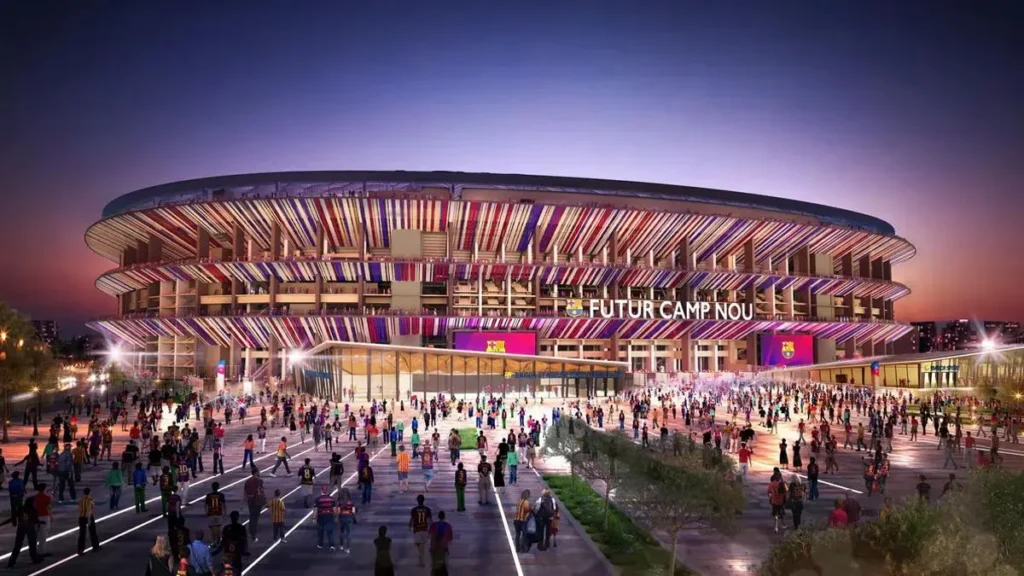 The Camp Nou reconstruction is the flagship project and heart of the Espai Barça initiative; a comprehensive budget of €1.5 billion for the redevelopment of all club facilities was planned. This ambitious plan, which the club described as “the key to the club’s future ambitions,” is financed by the future revenues it is projected to generate. The project is built on several key pillars:
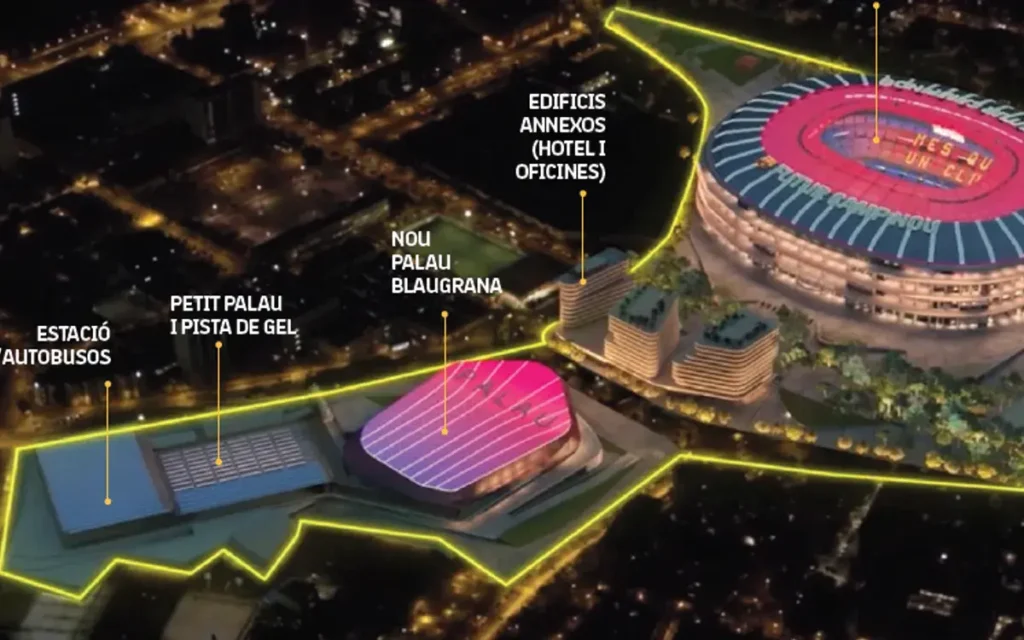
- The New Spotify Camp Nou: The stadium itself is being almost entirely rebuilt from the foundational level. The expected capacity upon the completion of the project is estimated to be increased to around 105,000, and it will feature a new retractable roof, a 360-degree ‘jumbotron’ screen, and most crucially, a massive expansion of VIP and hospitality seating, meaning a key boost to matchday revenues for Barça via ticketing and other miscellaneous services provided by the club during matchdays.
- The Nou Palau Blaugrana: The old, outdated Palau Blaugrana is set to be replaced by a new, state-of-the-art 15,000-capacity sports arena. This multi-purpose sporting venue, to be built on the site of the old ‘Mini Estadi,’ will host the club’s basketball, handball, and futsal teams’ matches and will be able to generate new income by hosting the fans as well as being a venue to host big concerts and other cultural events.
- Campus Barca: The entire stadium complex will be transformed into an open, green, and pedestrian-friendly ‘campus’ integrated with the Les Corts neighborhood. This will include the new club’s offices, leisure areas, and potentially a hotel, creating a year-round destination for fans and tourists.
- Estadi Johan Cruyff: The initial piece of this ambitious project was completed first, announcing the Espai Barça project. The 6,000-capacity stadium was completed in 2019 at the club’s training ground and now hosts the Barça B, women’s, and youth teams’ fixtures, allowing the old Mini Estadi to be demolished to make way for the Nou Palau Blaugrana.
The Payoff: A Much-Needed Financial Boost to the Struggling FC Barcelona
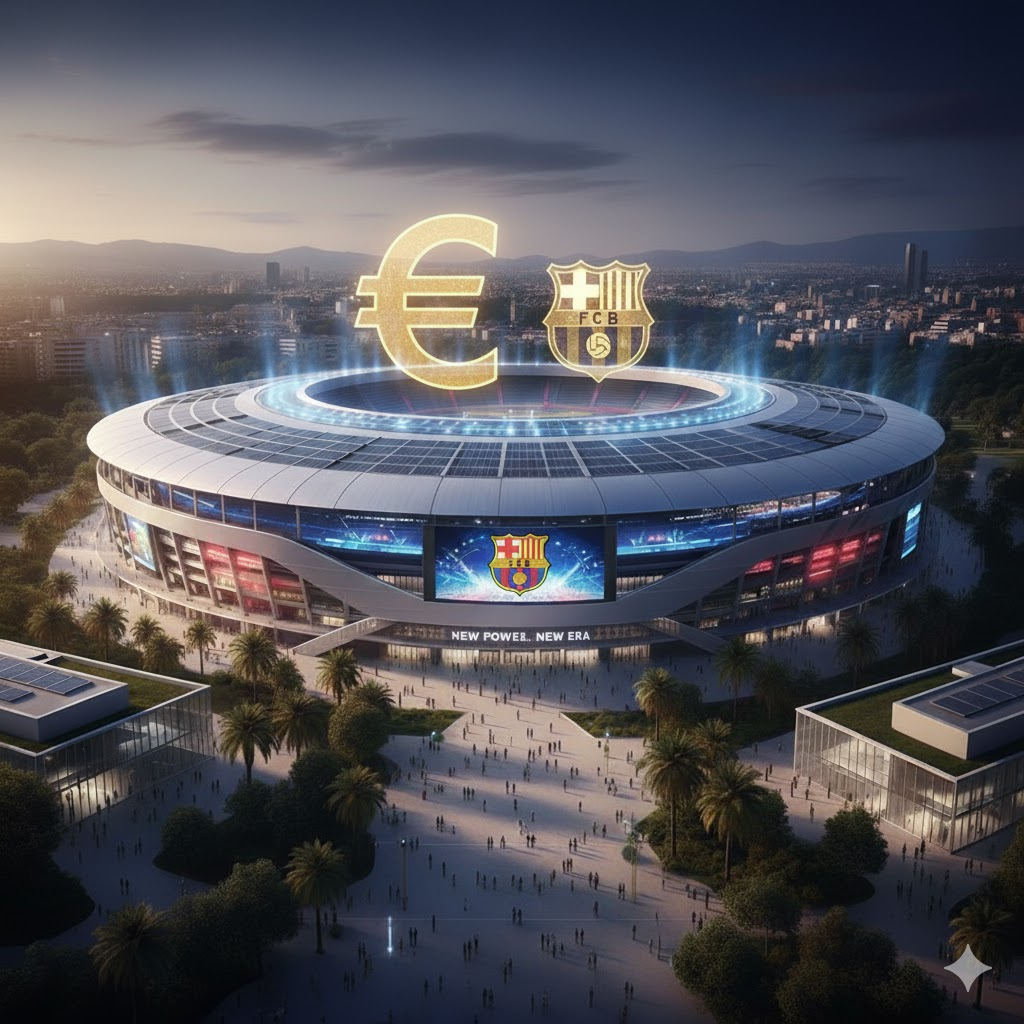 The primary driver for this project to start was the financial revolution it was set to make. As reported by multiple media outlets, the club was losing an estimated €100 million in potential revenue every year as it played at the temporary arrangement of Estadi Olimpic Lluis Companys, a 54,000-seat stadium, which was difficult for them to fully fill its capacity due to its distance from the city center and not sharing the same nostalgia as the Camp Nou.
The completed Espai Barça is designed to be a massive revenue-making machine. The club’s official projections state that the project will be paid entirely by the new income it will generate, estimated at over €247 million annually. This revenue will be coming from several key areas, including:
- Hospitality: The number of VIP seats will increase by a massive margin, from around 2,100 to over 9,000+, providing a massive new, high-margin revenue stream and being one of the single biggest factors contributing to the estimated figure of income.
- Sponsorship and Naming Rights: The ‘Spotify’ naming rights deal for the stadium provides the club with an additional revenue of €20 million per season and is just the beginning of the countless sponsorship opportunities the club is set to meet to generate an additional boost to the finances of the club.
- Ticketing, Museum, and Events: With a larger, more modern stadium and a bigger campus to improve the viewer’s experience, the club is set to generate massive revenue from matchday tickets, the club’s museum, and stadium tours. Also, not to forget the non-matchday revenue it’s set to generate by hosting concerts and cultural events, as it is going to be the new favorite destination for the artists to display their art.
For a club that has faced severe financial constraints through the years, the project will provide a strategic pivot to a modern, diversified revenue model, essential for competing with other footballing giants backed by huge financial institutions.
A Saga of Delays: The Timeline
 While the vision of making a new-age home for new-age Barça and making a revenue-generating giant was clear, the execution of it was nothing short of a public drama. As reported by multiple media outlets, the club’s return to its home has been beset by a series of missed deadlines.
An initial hope to return to the club’s 125th anniversary in November 2024 looked optimistic but was set to be delayed multiple times by missed deadlines due to workers protesting, municipality constraints, and many more unwanted events over time. Later, a much more possible deadline of a symbolic return on the day of the Johan Gamper trophy was set, but was later scrapped and moved to the Estadi Johan Cruyff. The club’s first home game of the league for the 2025-26 season was also played at the youth stadium after the club failed to secure the security and municipal permits to open the stadium in time.
 However, according to the latest updates, progress is being made. As of late 2025, the club has finally received its “Phase 1A” occupancy license, permitting a partial reopening. In a key test, the club organized an open training session to test out the security measures and other key operations to be a part of the stadium, and over 20,000 fans attended it to mark an important step towards a return.
Despite receiving the initial permit, the club confirmed it would not return immediately. Instead, their strategy is to wait for the “Phase 1B” license, which will expand its capacity to about 45,000. Officials stated that this approach makes more financial sense than returning with a capacity smaller than the temporary arrangement of Estadi Olímpic Lluís Companys. With that second-phase approval expected soon, a return to matches in late November to mid-December 2025 looks realistic, and everyone, including players, officials, and fans, remains optimistic about returning to their homes as soon as possible.
Full completion of the stadium, including the complex roof structure, has been pushed to late 2026 or 2027, but the first crucial step of bringing back the fans and a significant portion of matchday revenue with a return to their home is finally within reach, and players and fans will get to truly feel back at “home.”