

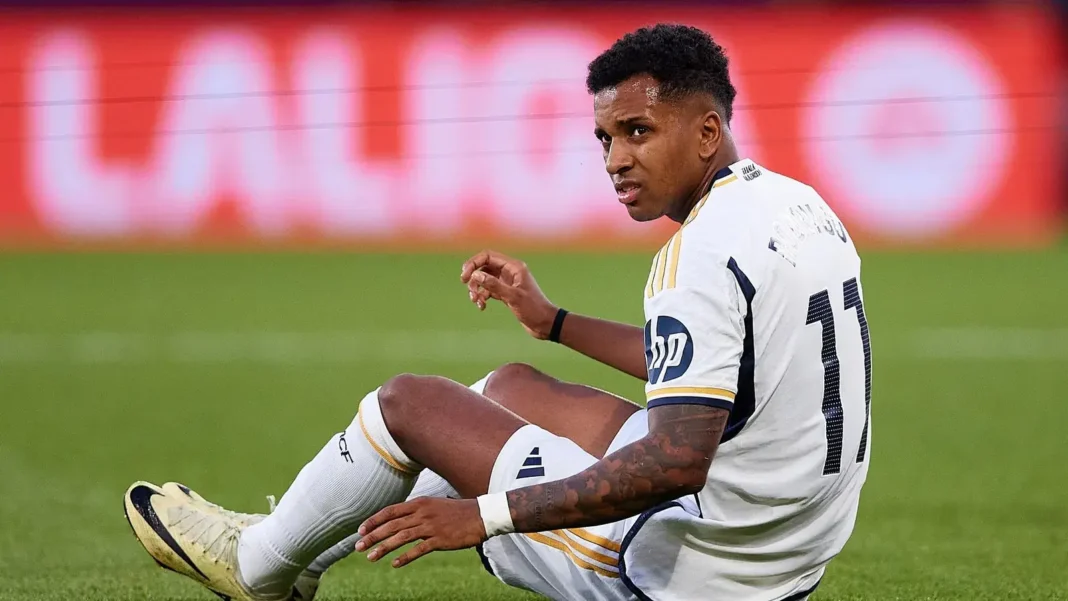

There’s a cruel irony in Rodrygo Goes’ current predicament at Real Madrid. The Brazilian who once earned the nickname “comeback kid” for dragging Madrid back from the brink in Champions League classics now finds himself fighting desperately for relevance in his own career. The statistics tell a damning story: 1,387 minutes without a La Liga goal across 32 consecutive matches, zero league strikes this season despite 13 starts, and a fanbase increasingly questioning whether he belongs at the Santiago Bernabéu at all.
For a player once hailed as Madrid’s next superstar- someone who scored a Champions League hat-trick on debut at 18 against Galatasaray, the fall feels precipitous. Yet perhaps the decline was always inevitable for a talent perpetually overshadowed by flashier teammates and forced into roles that never quite suited him.
The Statistical Nightmare
The numbers are brutally unforgiving. Rodrygo’s last La Liga goal came months ago, leaving him goalless throughout the 2025-26 season despite regular starting opportunities. That 1,387-minute drought across 32 consecutive league matches represents not just a dry spell but a full-blown crisis of confidence and effectiveness.
Social media has become a battleground of opinions. Some fans call his form “embarrassing,” questioning his future value and whether Madrid should cut their losses while his transfer fee remains respectable. Others blame Xabi Alonso’s tactical approach and poor chemistry on the wings, arguing that Rodrygo is a symptom rather than the disease affecting Madrid’s attacking structure.
The scrutiny on Alonso for persisting with the 24-year-old intensifies before every Champions League fixture, with pressure mounting to drop Rodrygo entirely or reinvent his role within the squad. But where does responsibility truly lie, with the player’s diminishing output or the system failing to maximise his qualities?
The Struggle Behind the Scenes
Rodrygo’s decline didn’t emerge overnight. Following the Copa del Rey final defeat to Barcelona in 2024-25, reports surfaced of motivation issues and minor physical problems affecting his performances. Despite Carlo Ancelotti’s public defence, tensions simmered within the club, amplified by complaints from Rodrygo’s father, who doubles as his agent, about how Madrid treated his son.
Premier League clubs, notably Arsenal, sensed opportunity. They offered something Madrid couldn’t: guaranteed game time in his preferred left-wing position rather than being shuffled right to accommodate Vinícius Júnior and other attacking stars. For a player whose game thrives on composure, efficiency, and intelligent movement rather than explosive individualism, playing out of position has always been a handicap.
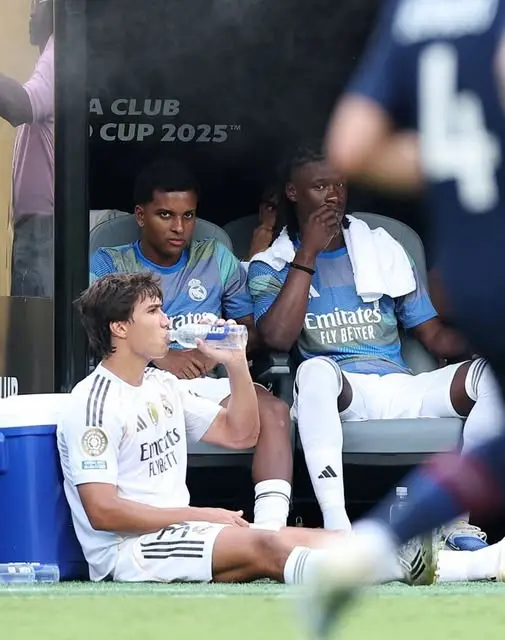
Alonso’s appointment initially promised renewal. Rodrygo showed renewed engagement in training, suggesting the coaching change might unlock his potential. Instead, Alonso has favoured younger prospects, deepening doubts about whether Madrid’s hierarchy truly trusts him anymore.
The Vinicius Comparison
Throughout his Madrid career, Rodrygo has existed in Vinícius’s shadow. While Vinícius attacks defenders with aggressive flair and regularly posts double-digit goal tallies that earn Ballon d’Or recognition, Rodrygo’s calmer, more methodical approach has felt underappreciated. His statistical output lags, a reality that becomes glaring when both compete for similar positions.
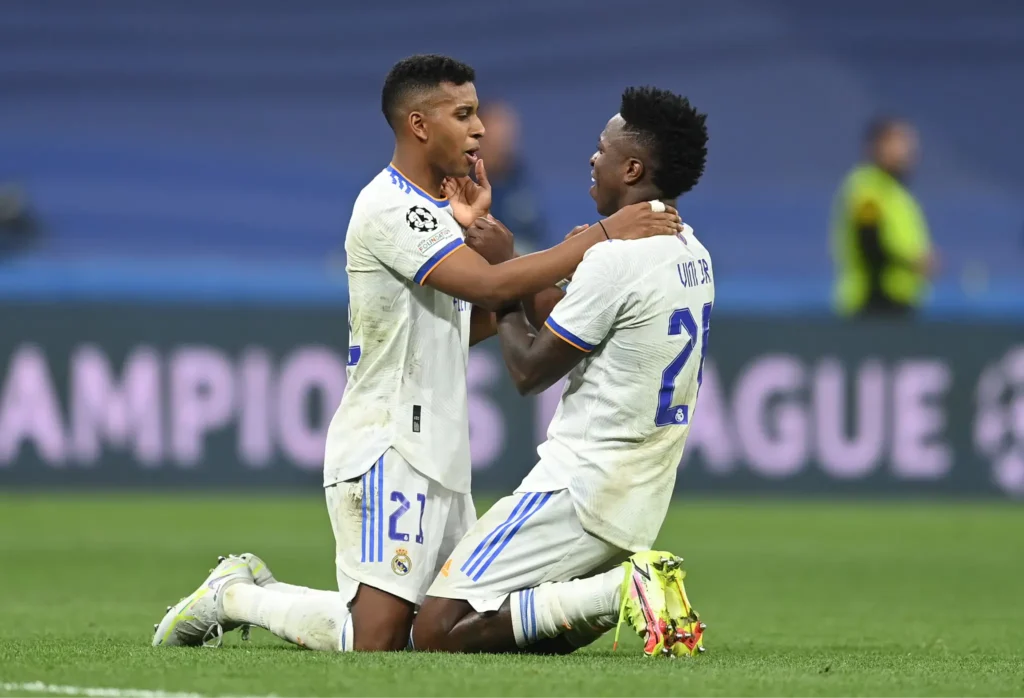
Yet Rodrygo has delivered moments that define seasons. His late Champions League goals against Chelsea and Manchester City in 2022 rescued Madrid from elimination, showcasing a big-game temperament that few possess. He’s won multiple La Liga titles and Champions League trophies, yet remains underrated even within Madrid’s marketing materials.
The frustration boiled over publicly during a 2023 Copa del Rey match when Rodrygo refused to shake Ancelotti’s hand after being substitution, resulting in him being benched. That incident signalled growing dissatisfaction with his treatment, a player who feels perpetually undervalued despite clutch contributions.
The Crossroads
With Kylian Mbappé’s arrival further crowding Madrid’s attack, Rodrygo’s path to regular starts has narrowed impossibly. The club hierarchy views him as a luxury super-sub rather than a guaranteed starter, prompting internal discussions about selling while his value remains between €80-100 million, despite a symbolic €1 billion release clause.
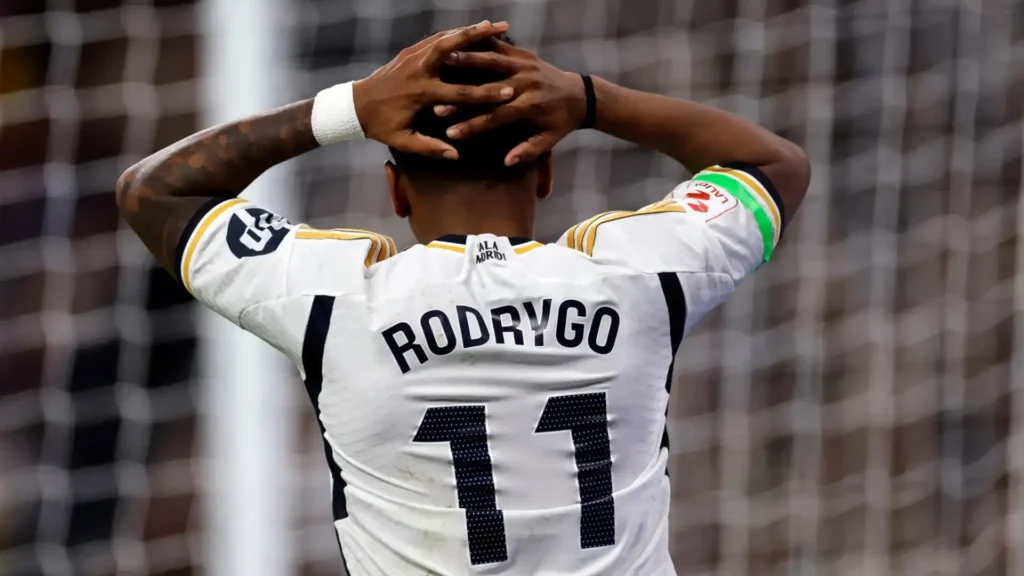
Such a sale would allow Madrid to reinvest in areas lacking depth: midfield and defence. For Rodrygo, departure might represent liberation. Arsenal, Manchester City, Liverpool, and wealthy Saudi clubs have expressed interest in a player who could become their main star, play his natural position weekly, and receive recognition Madrid cannot provide.
The Uncomfortable Truth
Rodrygo’s connection to Madrid remains emotionally strong. He understands the club offers unique status, pressure, and trophy opportunities that he values. Yet staying means accepting peripheral status behind bigger names, playing out of position, and watching his career stagnate statistically.
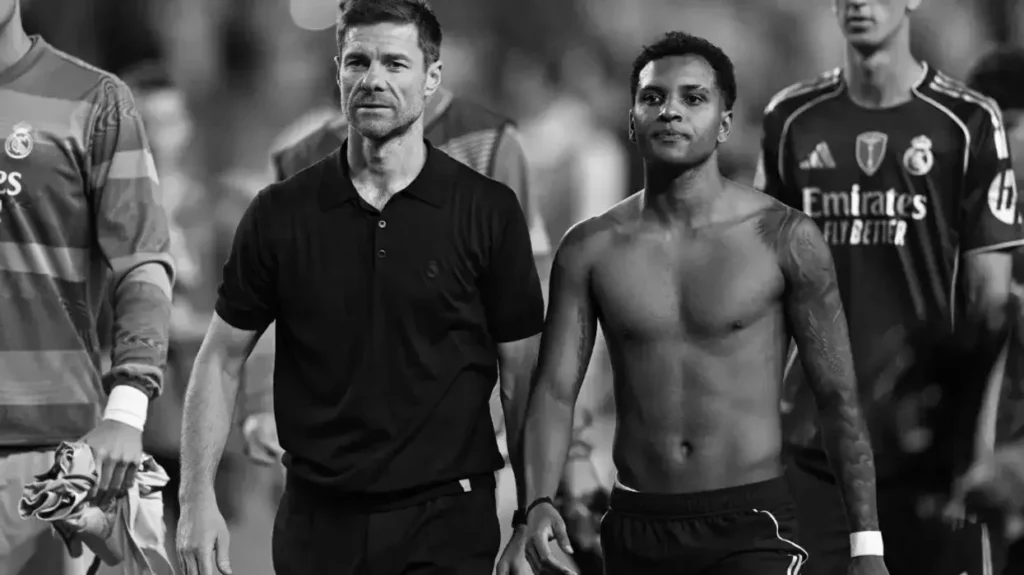
The 1,387-minute goalless streak isn’t just a number; it’s evidence that something fundamental isn’t working. Whether that’s tactical mismatch, psychological decline, or simply being the wrong player in the wrong system, the result is the same: a talent approaching his peak years becoming increasingly irrelevant.
Rodrygo stands at a crossroads. Stay in Madrid’s shadows, hoping circumstances change, or seek recognition elsewhere as a central figure. For a player who once defined himself through comeback moments, perhaps the ultimate comeback requires leaving entirely. Sometimes the bravest decision isn’t fighting for your place, it’s recognising when that fight cannot be won.