
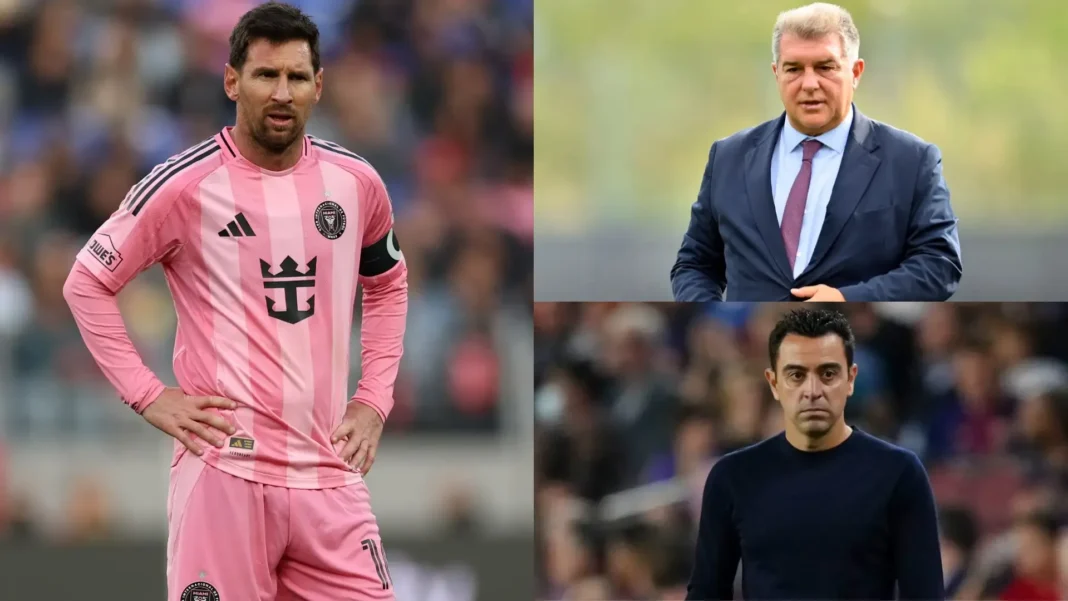

Football’s greatest modern love story may have come far closer to a reunion than the world ever realized. In a stunning revelation, Xavi Hernández has claimed that Lionel Messi was already set to return to FC Barcelona in 2023, only for the move to collapse at the final moment.
According to Xavi, discussions with Messi began shortly after Argentina’s triumph at the 2022 FIFA World Cup and continued for months, with the legendary forward reportedly excited about a homecoming. The plan was clear: a symbolic “last dance” at Barcelona, allowing the club’s greatest ever player to finish his story where it began.
However, Xavi alleges that despite negotiations progressing and financial clearance from La Liga, club president Joan Laporta ultimately pulled the plug on the deal, abruptly ending what could have been one of the most emotional returns in football history.
What Xavi Said
In an explosive interview with La Vanguardia, Xavi Hernández revealed that Lionel Messi’s return to FC Barcelona in 2023 was far closer to reality than previously believed.
According to Xavi, discussions began shortly after Argentina’s triumph at the 2022 FIFA World Cup in December 2022. Xavi said he personally spoke with Messi and sensed genuine enthusiasm about returning to the club where he built his legendary career. The Barcelona coach believed the reunion was not just possible but practically inevitable.
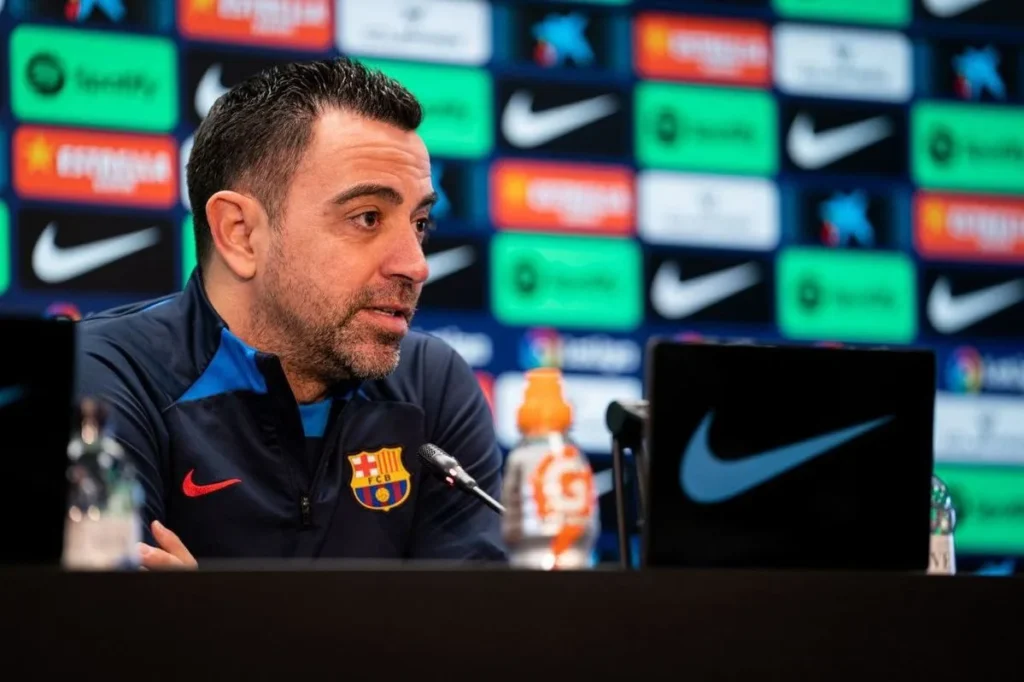
Xavi explained that negotiations progressed rapidly in early 2023. Club president Joan Laporta reportedly opened formal discussions with Messi’s father and agent, Jorge Messi. By March, the club had received a financial green light from La Liga regarding a viability plan that would allow the signing to happen.
From a footballing perspective, Xavi insisted the deal was essentially done. However, he claims that Laporta ultimately decided to halt the move, contradicting the public narrative that financial restrictions alone prevented Messi’s return.
The 2023 Messi Saga in Context
The prospect of Messi returning to Barcelona in 2023 captured the imagination of fans around the world. His contract with Paris Saint-Germain was set to expire that summer, opening the door for a potential reunion with the club he had been forced to leave in 2021.
Messi’s departure two years earlier had been one of the most emotional moments in modern football. Due to strict salary-cap regulations imposed by La Liga, Barcelona were unable to register a new contract for their greatest ever player despite both sides agreeing in principle to continue together.
By 2023, the idea of bringing Messi back had become both a sporting and symbolic objective for the club. Laporta publicly stated that Barcelona were working on financial plans to make the reunion possible. However, in June 2023, Messi surprised many by announcing he would join Inter Miami CF instead.
At the time, the move was framed as a personal choice driven by lifestyle considerations and the desire for a less intense environment after two demanding years in Paris. Yet Xavi’s new revelations suggest the transfer saga may have collapsed not only because of financial realities, but also due to internal decisions at the highest level of the club.
Bad Blood Between Messi and Laporta
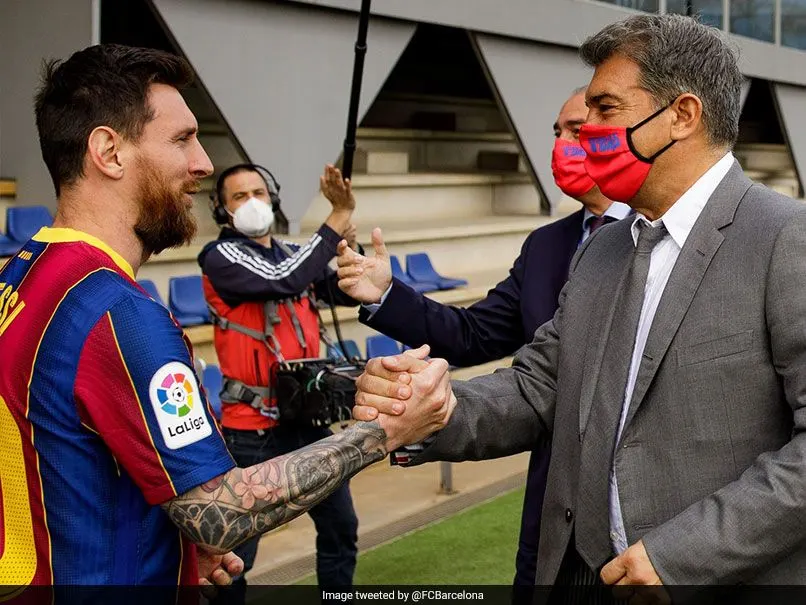
The tension between Messi and Laporta appears rooted in the events of 2021, when the club failed to renew Messi’s contract despite both parties initially believing an agreement had been reached.
The emotional farewell that followed left a lasting scar on Barcelona’s relationship with its greatest icon. Images of Messi tearfully addressing the media became symbolic of the club’s financial crisis and the painful end of an era.
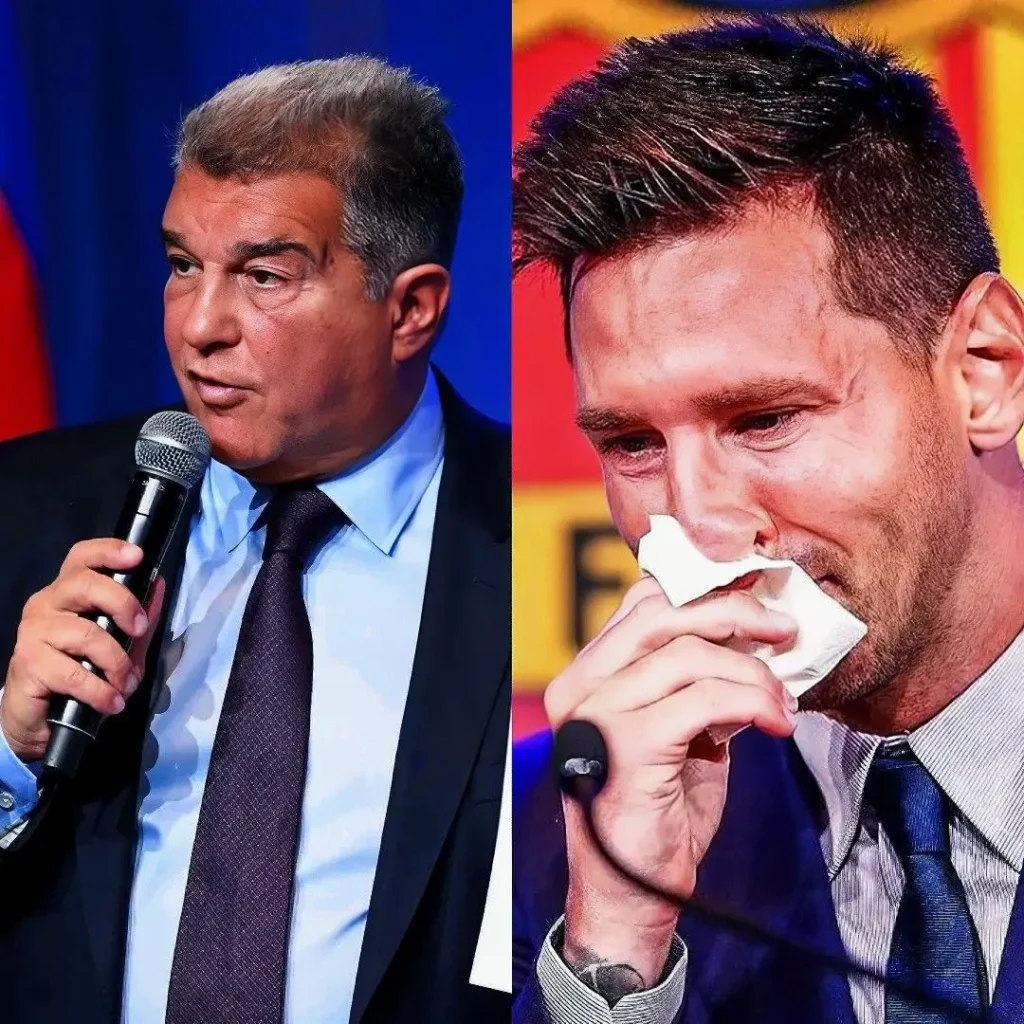
Now, new reports suggest that Laporta feared Messi’s return could disrupt the balance of power within the club. The Argentine superstar’s enormous influence among fans, players, and the media might have created internal pressure on the board and the presidency.
According to sources close to Messi’s camp, Laporta ultimately concluded that he “could not allow” such a scenario to unfold. That decision reportedly led to the abrupt collapse of negotiations, ending what could have been a historic reunion.
Why Xavi’s Comments Are So Explosive
Xavi’s revelations carry enormous weight because they come from one of Barcelona’s most respected figures. As both a legendary former player and the club’s head coach at the time, he was directly involved in the discussions surrounding Messi’s potential return.
His comments therefore challenge the official narrative that financial limitations were solely responsible for the failed transfer. Instead, they imply that the deal was halted due to leadership decisions at the top of the club.
The timing also makes the situation even more sensitive. With Barcelona entering a new presidential election cycle, accusations of dishonesty or mismanagement could significantly impact how supporters view the current leadership.
For many fans, the possibility that Messi’s return was blocked despite being viable could represent a betrayal of the club’s promises and ambitions.
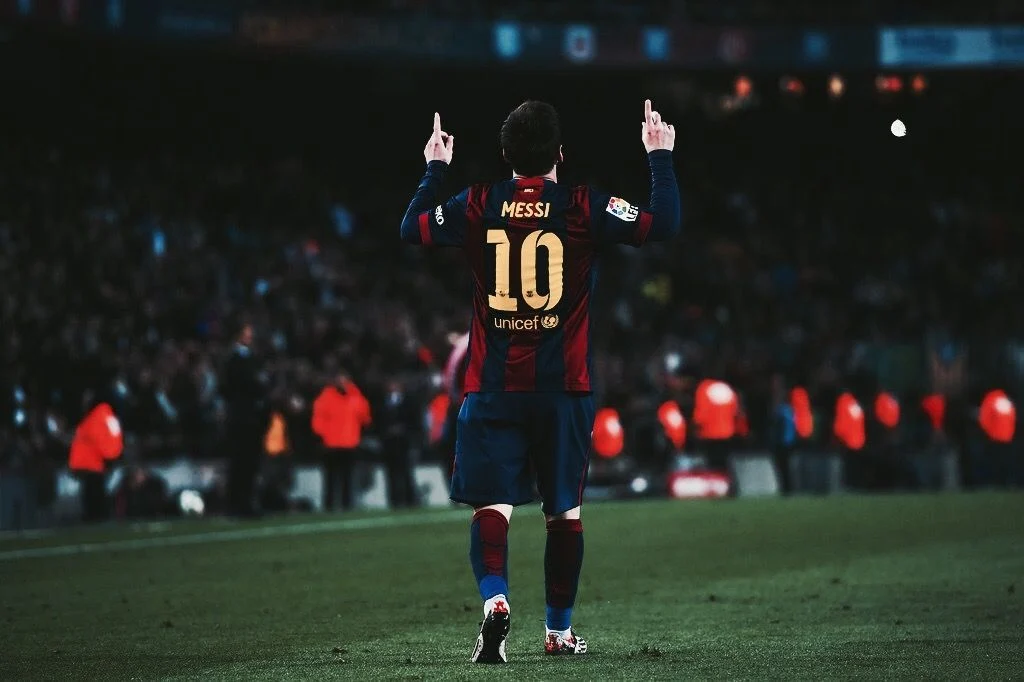
What This Means for Barcelona’s Image
Barcelona have long promoted themselves as more than just a football club, an institution built on transparency, identity, and emotional connection with supporters.
However, the controversy surrounding Messi’s potential return threatens to damage that image. If Xavi’s claims are accurate, it raises serious questions about how decisions were communicated to fans and whether the club truly pursued every opportunity to bring Messi home.
The revelations also highlight deeper tensions within the organization. Xavi’s own departure from the managerial role previously hinted at disagreements with the board regarding sporting direction and planning.
Taken together, these episodes paint a picture of a club still grappling with internal divisions during a crucial period of rebuilding.
The Wider Messi Legacy
For Messi, the situation adds another bittersweet chapter to his relationship with Barcelona.
Instead of concluding his career with a final season at the rebuilt Camp Nou, the Argentine legend has written a new chapter with Inter Miami while continuing to lead Argentina on the international stage. His performances in Major League Soccer and his enduring success with the national team have only strengthened his global legacy.
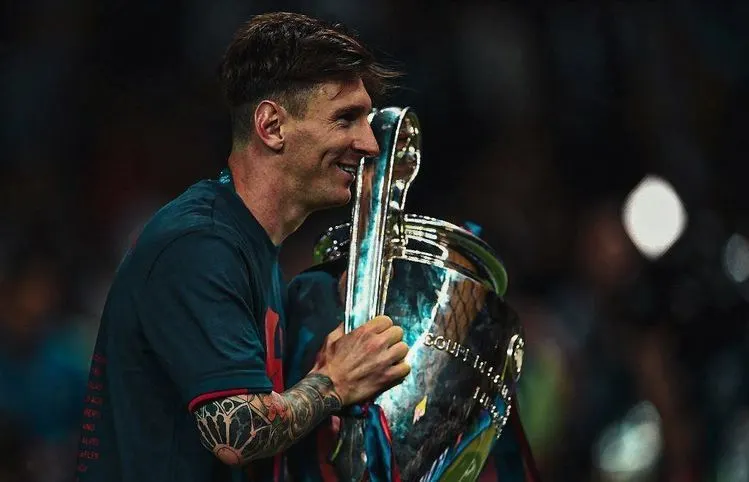
Yet for Barcelona supporters, the idea of a “last dance” at the club remains a powerful what-if. The possibility that the greatest player in the club’s history might have returned for a farewell season only for the plan to collapse behind closed doors adds a tragic dimension to one of football’s most iconic partnerships.
Despite the controversy, Xavi has emphasized that his relationship with Messi remains strong. The tension, he insists, lies not with the player or the fans, but with the leadership decisions that ultimately prevented the reunion from becoming reality.