

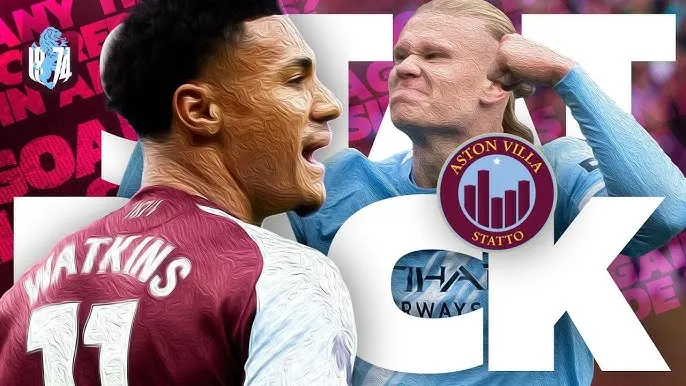

Gameweek 21: The Strategic Breakdown
As the Premier League enters the vital “Second Chance” phase of the season, FPL managers are facing one of the most polarizing captaincy decisions of the entire campaign. The choice for Gameweek 21 isn’t just a selection between two players; it is a choice between two distinct philosophies.
Do you trust the historical data and pedigree of a struggling giant? Or do you ride the undeniable momentum of the league’s most in-form striker?
The narrative dominating the FPL community is stark. On one side, we have Erling Haaland (£14.8m), the game’s most expensive asset, who is currently enduring a barren run. On the other, Ollie Watkins (£8.7m) is putting up numbers that rival the very best, offering a tempting alternative to the City talisman.
Let’s strip away the emotion, ignore the price tags for a moment, and look at the cold, hard numbers on the table for Gameweek 21.
The Case for Haaland: A Glitch, Not a Crash
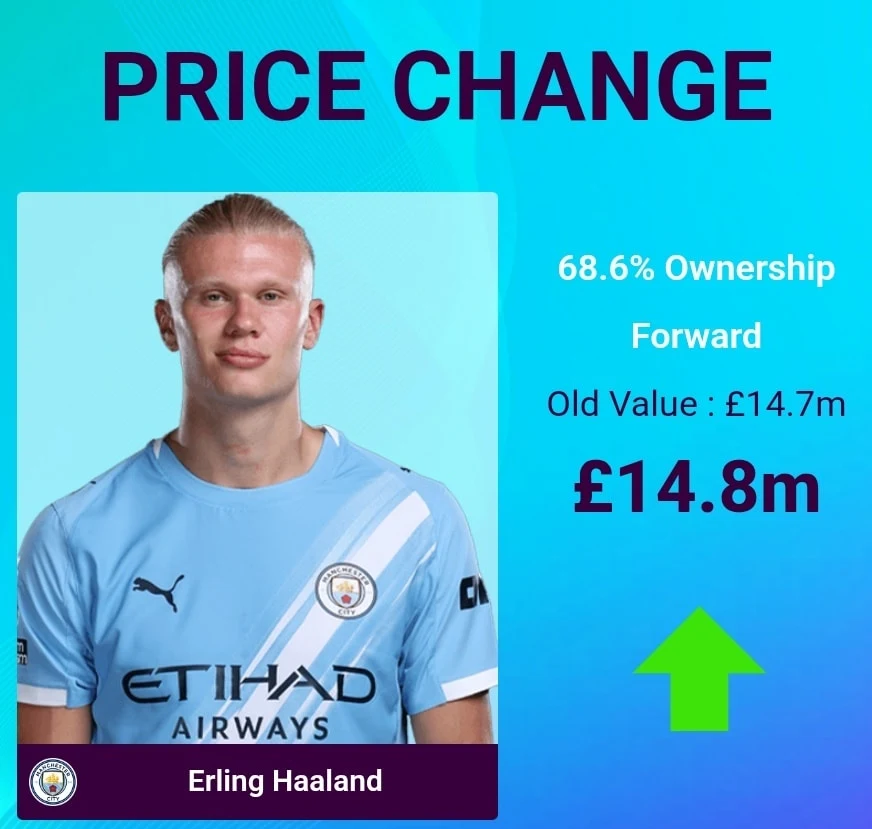
The Narrative: Erling Haaland has blanked in three consecutive Gameweeks. In the world of FPL, where patience is thin, this feels catastrophic. When an asset takes up nearly 15% of your budget, three weeks of two-pointers feels like a personal insult. Consequently, we are seeing a mass exodus of managers selling him to fund upgrades elsewhere. But is the “Norwegian Meat Shield” actually playing poorly?
The Underlying Data: A look under the hood suggests that Haaland’s “drought” is a statistical anomaly rather than a decline in performance. Over the last three Gameweeks, despite scoring zero goals, his underlying numbers remain elite:
- xG (Expected Goals): 2.45
- Big Chances Missed: 4
- Touches in the Opposition Box: 28
The verdict here is simple: Variance. An xG of 2.45 without a return is incredibly rare for a finisher of his caliber. He is getting into the right positions, the service from De Bruyne and Foden is arriving, and he is taking the shots. He hasn’t stopped being Erling Haaland; he has just been unlucky.
The Tactical Matchup: Brighton (H) Crucially, the fixture favors a bounce-back. Brighton is arguably the best possible opponent for a striker looking to break a slump. The Seagulls play a notoriously high defensive line, leaving vast acres of space in behind for runners. They do not sit in a “low block”—something Haaland often struggles against. They invite pressure and play open football. If Manchester City bypasses the initial press, Haaland will likely find himself in 1-on-1 situations with the goalkeeper multiple times.
The Case for Watkins: The Unstoppable Force
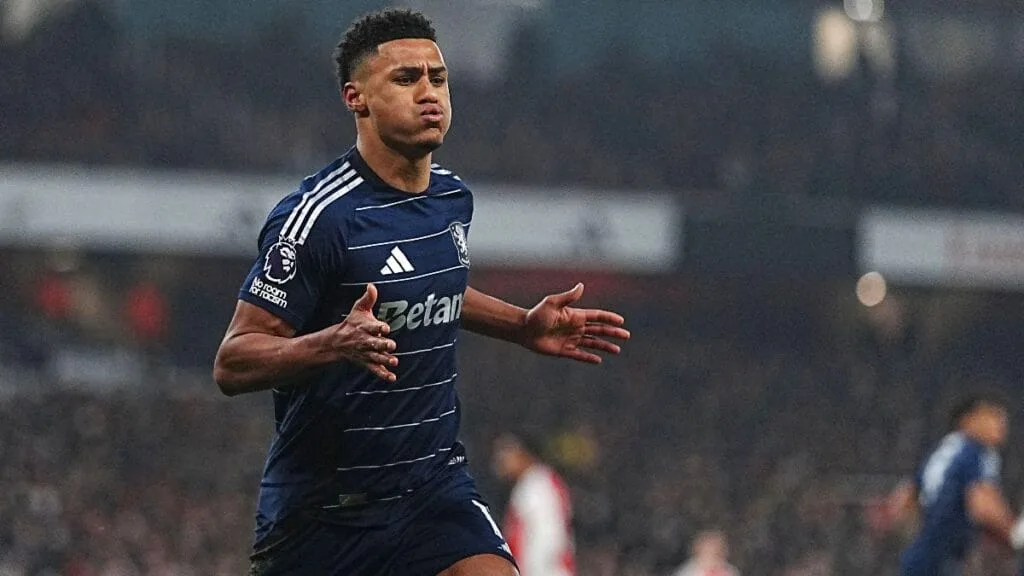
The Narrative: Ollie Watkins is currently the game’s “cheat code.” With 6 goals in his last 7 games, he has risen to become the second-highest scoring forward in the game. He is the definition of “form.” Unlike Haaland, who often relies purely on goals for points, Watkins is heavily involved in Aston Villa’s build-up play, making him a dual-threat asset.
The Underlying Data: Watkins is currently overperforming his xG, but this is typical for a striker in a “purple patch.” What makes him a safer floor captain than Haaland right now is his creative output:
- Key Passes (Last 3 GWs): 5 (vs. Haaland’s 2)
- Bonus Point System (BPS): Watkins tends to accumulate baseline BPS better due to his link-up play and dribbles.
Watkins offers multiple routes to points. Even if he doesn’t score, an assist is highly probable given Villa’s attacking fluidity.
The Tactical Matchup: Crystal Palace (A) Crystal Palace has been defensively woeful since the Christmas period, failing to keep a clean sheet in their last six matches. They have struggled specifically against pacey transitions and cut-backs from the byline—two things Aston Villa excels at. While playing away from home is usually a disadvantage, Villa’s counter-attacking style is arguably more potent on the road.
The “Effective Ownership” Factor
There is one final, psychological layer to this decision: Effective Ownership (EO).
Because Haaland is owned by 72% of the game, and likely captained by the majority of “dead” teams (inactive managers), his EO will likely be over 100%. This means if you captain him and he scores, you gain a small rank increase. If you don’t captain him and he scores, your rank will plummet significantly.
Watkins, conversely, is the “sword.” His EO will likely be lower. If you captain Watkins and he outscores Haaland, the “Green Arrow” (rank rise) will be massive. However, if Haaland hauls and Watkins blanks, the drop will be painful.
The Final Verdict
This week’s captaincy isn’t just about who scores more; it’s about your management style and risk appetite.
The Ceiling Play (Haaland): Back Haaland if you believe that statistics always regress to the mean. The underlying numbers say a goal is imminent, and Brighton’s high line is the perfect catalyst. The “Haaland Hat-trick” usually arrives exactly when the community loses faith. This is the play for managers who want to sleep soundly, knowing they are shielded against the robot waking up.
The Form Play (Watkins): Back Watkins if you believe in momentum. He is playing the better football, in the better team (current form-wise), against the weaker defense. This is the logical pick based on the last four weeks of evidence.
The table is set. The stats are clear. The choice is yours.