

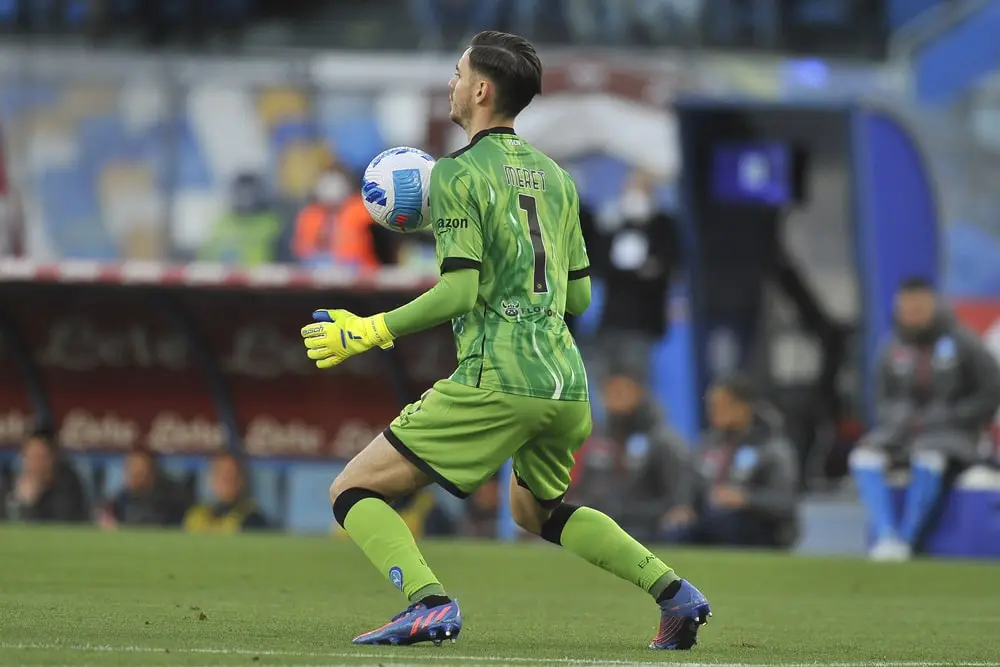

Why goalkeepers cannot handle deliberate passes from teammates
The backpass rule is one of the most significant law changes in modern football. Introduced to discourage time-wasting and overly defensive play, it permanently altered the role of the goalkeeper and the way teams build possession. While the principle behind the rule is straightforward, its application often causes confusion — particularly when indirect free kicks are awarded inside the penalty area.
Understanding the backpass rule helps explain some of football’s most unusual and decisive moments.
What Is the Backpass Rule?
Under the backpass rule, a goalkeeper may not handle the ball if it has been deliberately kicked to them by a teammate. The same restriction applies if the ball is thrown directly to the goalkeeper from a throw-in taken by a teammate.
If the goalkeeper handles the ball in either situation, the referee awards an indirect free kick to the opposing team from the spot of the offence.
Crucially, the rule applies only to deliberate actions. Accidental deflections, rebounds, or ricochets do not constitute a backpass.
What Counts as a Deliberate Backpass?
Referees assess two key elements:
- Intent : Was the ball deliberately played by a teammate?
- Method : Was the ball played using the foot?
If both conditions are met, the goalkeeper cannot use their hands.
This distinction explains why:
- A header back to the goalkeeper is allowed
- A chest or knee pass is allowed
- An accidental deflection off a defender is allowed
The law focuses on the action, not the outcome. Even a lightly tapped or mis-hit kick counts if it was intentional.
For Example:
One of the most notable backpass-related incidents occurred in the Premier League in 2018, when Manchester City conceded an indirect free kick inside their own penalty area after a defender deliberately played the ball back under pressure and the goalkeeper handled it. The incident highlighted how even elite teams can be caught out when pressed aggressively.
Throw-ins and the Backpass Rule
A separate restriction applies to throw-ins. If a teammate takes a throw-in and throws the ball directly to their goalkeeper, the goalkeeper may not handle the ball.
This provision exists to prevent teams from bypassing the backpass rule using throw-ins. Even if the action is unintentional or taken under pressure, handling the ball remains an offence.
Why the Rule Was Introduced?
The backpass rule was introduced in 1992, following widespread criticism of defensive football at the 1990 World Cup. At the time, goalkeepers were allowed to pick up unlimited passes from teammates, enabling teams to retain possession safely and delay restarts.
The rule forced goalkeepers to improve their distribution and encouraged pressing higher up the pitch. It remains one of the most influential law changes in football’s modern history.
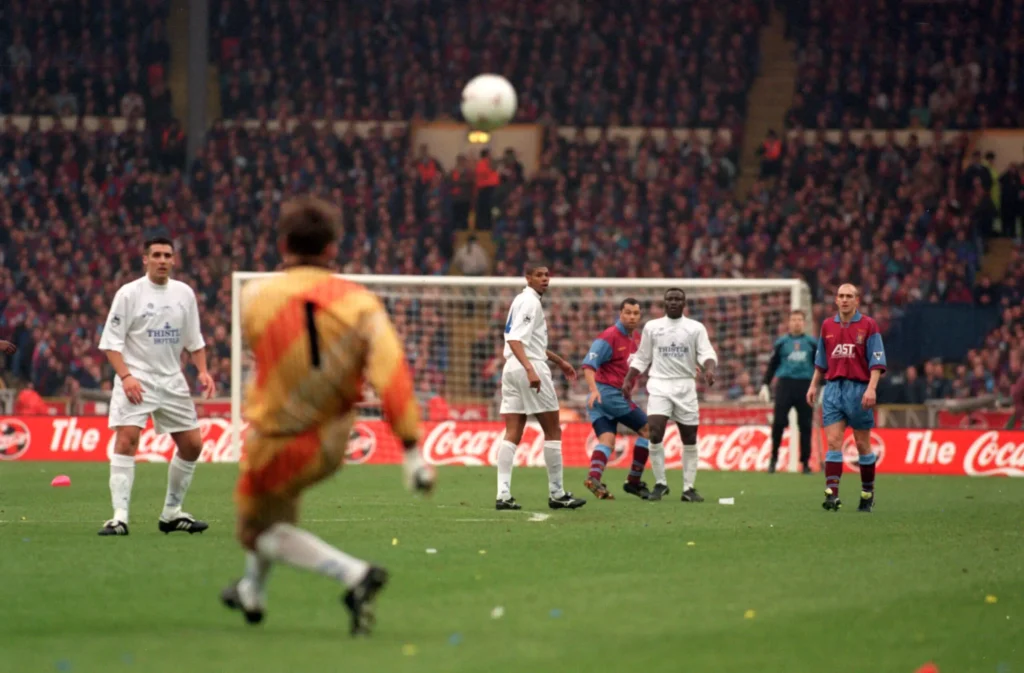
Punishment for a Backpass Offence
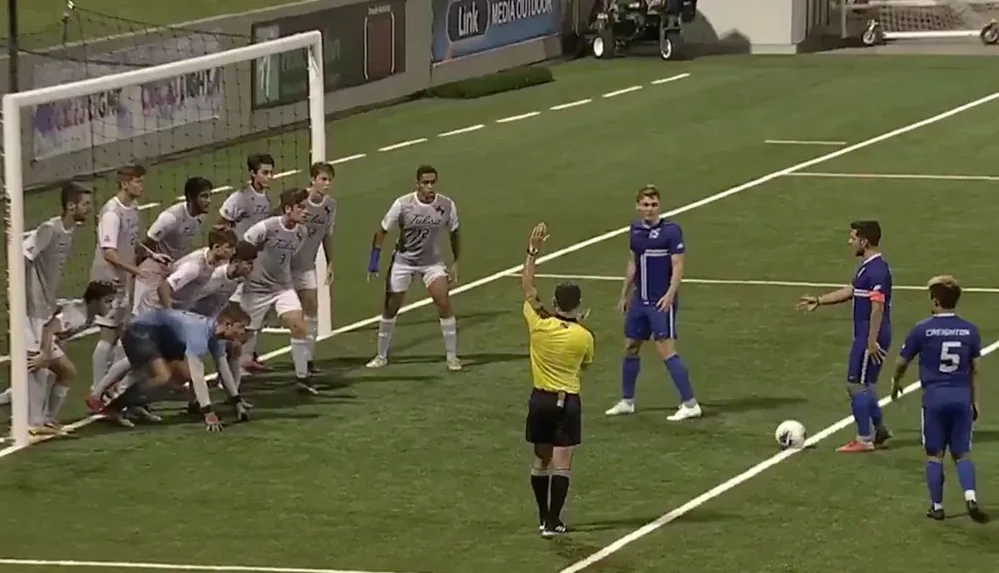
When a backpass offence occurs, the opposition is awarded an indirect free kick inside the penalty area. Because a goal cannot be scored directly from an indirect free kick, the ball must touch another player before entering the goal.
Disciplinary action is uncommon unless the offence is accompanied by deliberate time-wasting, dissent, or repeated infringements.
Conclusion
The backpass rule exists to preserve the flow and competitiveness of football. By restricting when goalkeepers can handle the ball, it prevents time-wasting and rewards teams that press effectively.
While the law appears simple, its reliance on intent means it will always involve judgement. Moments when it is enforced often feel rare or surprising but they are usually correct.
In modern football, the backpass rule is no longer an exception. It is a fundamental part of how the game is played.