


No position in football operates under a more unique rulebook than the goalkeeper. Different privileges, different restrictions, different interpretations.
And yet, despite how central goalkeepers are to the modern game, few fans fully understand what they are actually allowed to do.
From time wasting to aerial contact, from distribution to penalties, goalkeeper rules remain some of the most debated, selectively enforced, and inconsistently applied laws in football.
The Premier League proves this every single weekend.
What Makes Goalkeepers Different?
According to the IFAB Laws of the Game, goalkeepers are granted special rights inside their own penalty area.
- They are allowed to use their hands,
- They are protected when in control of the ball,
- They are restricted in how they regain possession,
- They are governed by stricter time and handling rules.
This balance is meant to protect goalkeepers without allowing them to exploit the game. That balance, however, is constantly under strain.
What Does “Control of the Ball” Actually Mean?
One of the most misunderstood goalkeeper rules is possession.
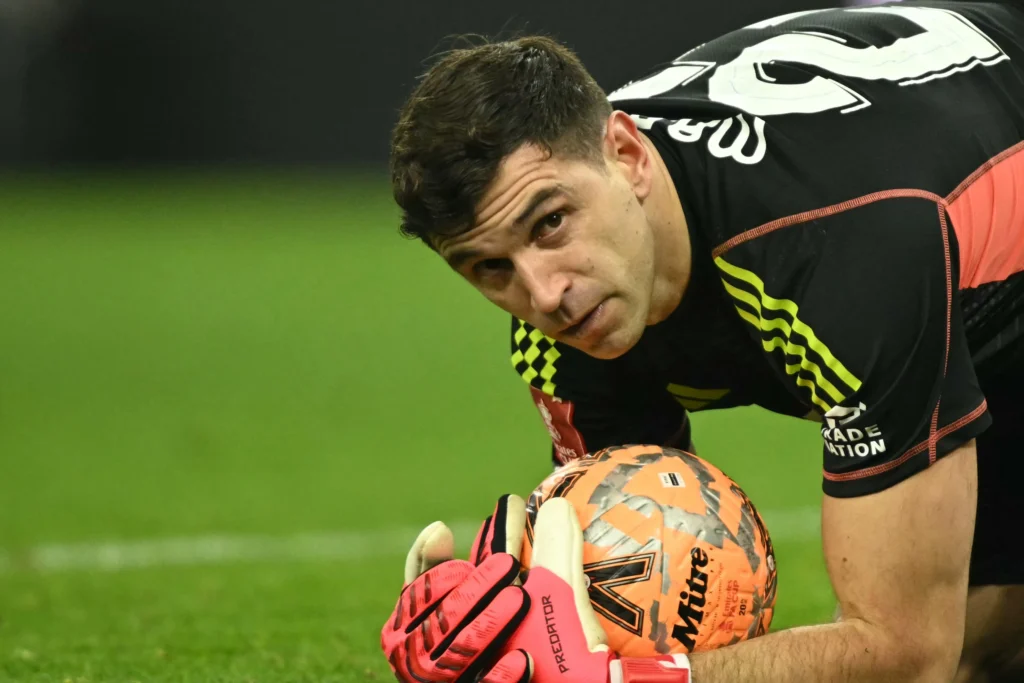
A goalkeeper is considered to be in control of the ball when it is held between the hands, trapped between hand and surface, or when it is bounced or tossed into the air.
Once in control, opponents are not allowed to challenge.
In the Premier League, this rule regularly causes controversy. Goalkeepers who have one hand on the ball while rising from the ground are often shielded completely, even if attackers are close. Any contact is immediately penalised.
The issue is not protection. It is clarity. At what point does control begin and end? And why does it sometimes feel like goalkeepers receive protection that outfield players never would?
Aerial Challenges and Overprotection
Premier League fans have grown used to a familiar scene.
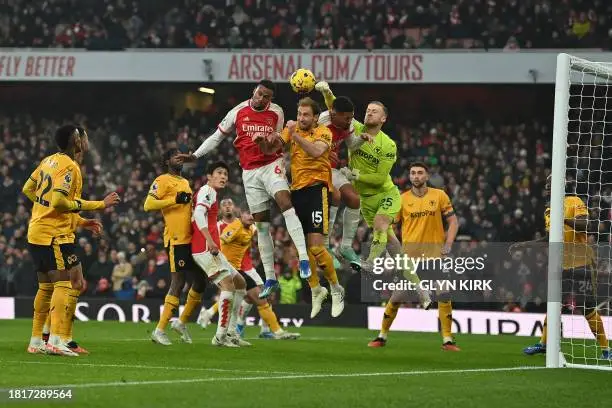
A corner comes in. The goalkeeper jumps. Minimal contact occurs. The whistle blows.
Goalkeepers are afforded more protection in aerial duels than outfield players, largely to prevent dangerous collisions. The intention is correct.
The execution, however, often feels inconsistent.
We regularly see goals disallowed in the Premier League for light contact on goalkeepers, while similar physicality elsewhere on the pitch is waved away. The line between safety and overprotection is thin, and referees frequently err on the side of caution.
That caution sometimes decides matches.
Time Wasting, The Rule Everyone Ignores
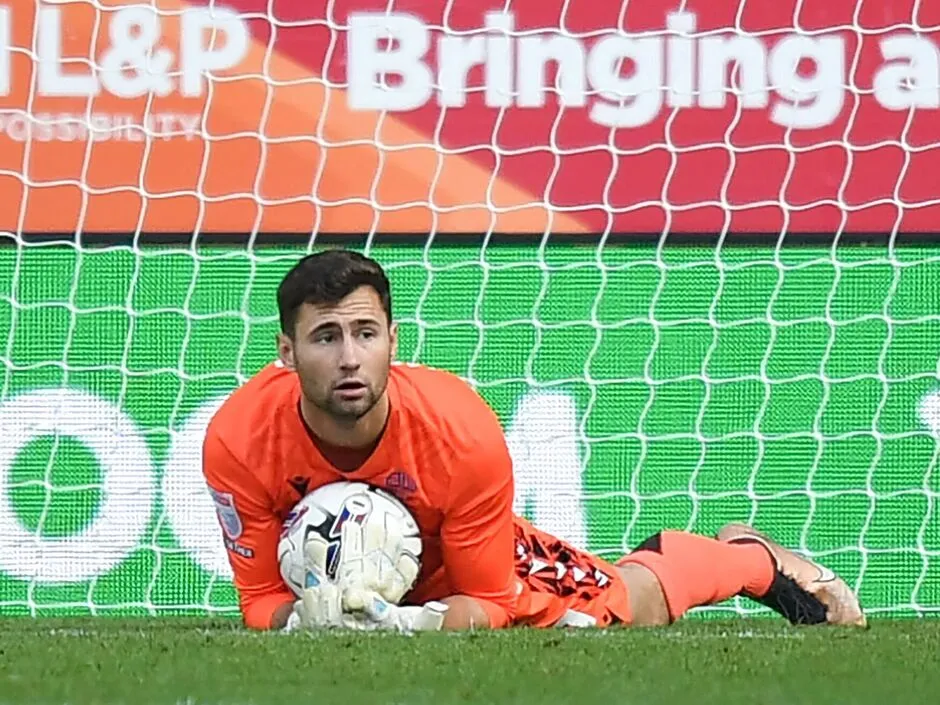
No goalkeeper rule is ignored more consistently than time wasting. Under IFAB laws, a goalkeeper has six seconds to release the ball once in control.
In reality, Premier League goalkeepers routinely exceed this limit, particularly when protecting a lead. Eight seconds, nine seconds, sometimes more.
Fans count. Commentators mention it. Referees rarely act.
When the rule is enforced, outrage follows, not because the decision is wrong, but because it is unfamiliar. Selective enforcement has trained everyone to expect leniency.
A law that is rarely applied becomes theatre rather than regulation.
Distribution and the Back Pass Confusion
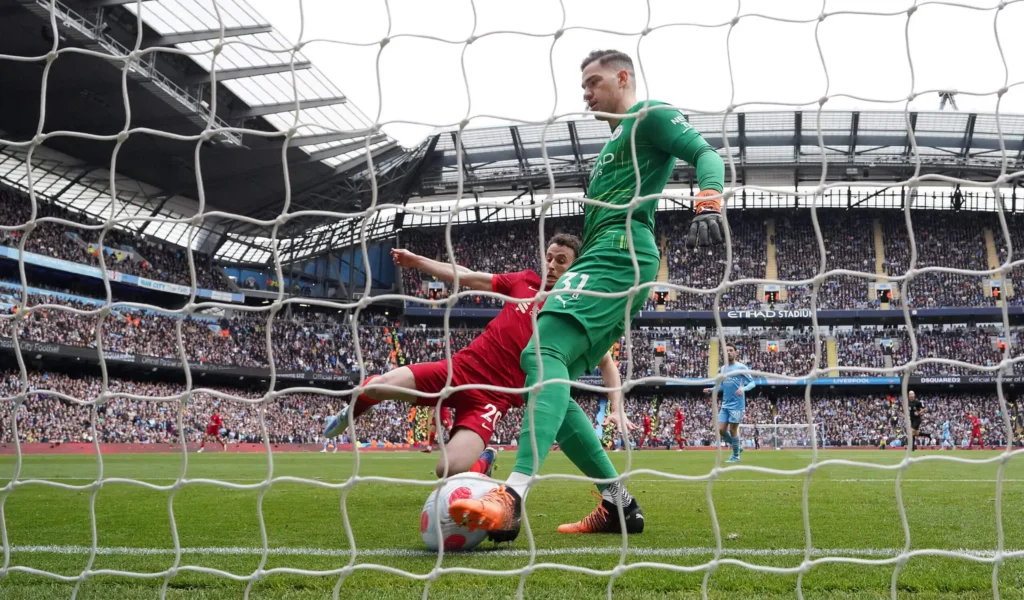
Modern goalkeepers are playmakers. Their feet are as important as their hands. But with that evolution comes confusion. If a defender deliberately kicks the ball back to their goalkeeper, handling it is not allowed. If the ball deflects, miskicks, or comes from a header, it is allowed. In Premier League matches, defenders under pressure often gamble with back passes. Goalkeepers hesitate. Sometimes they pick the ball up instinctively and are punished. Sometimes they are not.
These moments feel rare, but when they happen, they expose how thin the margin for interpretation really is.
Penalties and the Moving Line Debate
Penalty rules involving goalkeepers have changed repeatedly in recent years. Goalkeepers must have at least one foot on the goal line when the penalty is taken. Encroachment is monitored closely by VAR. In the Premier League, this has led to retaken penalties, marginal decisions, and endless debate over whether goalkeepers are being unfairly restricted. Goalkeepers argue they are being punished for instinctive movement. Officials argue the law creates fairness. Once again, intent clashes with execution.

Why Goalkeeper Rules Matter More Than Ever
Goalkeepers influence matches more than ever before. They initiate attacks. They control tempo. They manage game state. When rules governing such an influential role are inconsistently applied, frustration is inevitable. Football becomes less about skill and more about interpretation.
What Needs to Change
Football does not need to reinvent goalkeeper rules. It needs consistency and courage. Some necessary steps include,
- Strict enforcement of the six second rule from the first minute,
- Clearer definitions of goalkeeper control and release,
- Consistent thresholds for aerial fouls,
- Transparent VAR explanations for penalty retakes.
- Goalkeepers should be protected. They should not be privileged beyond logic.
Why This Debate Will Not Go Away
As football becomes faster and more tactical, goalkeeper involvement will only increase. And with it, scrutiny of the rules that govern them. The next time a Premier League crowd roars after a goalkeeper collision, a delayed release, or a penalty retake, remember, this is not confusion born from ignorance.
It is confusion born from inconsistency.
Because when even the most specialised position in football does not have clearly understood rules, the game itself starts asking questions. And football, more than anything else, demands answers.