

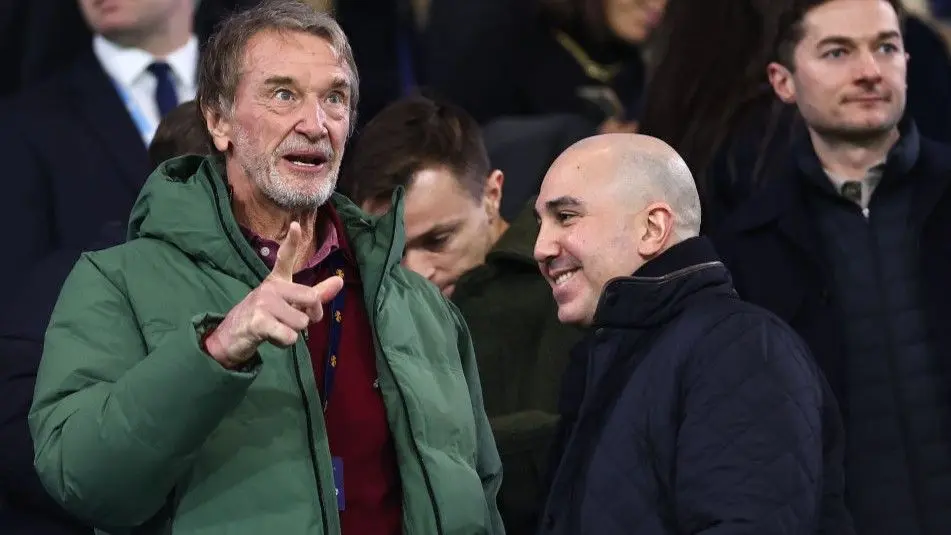

In football’s hyper-commercial, data-driven era, the balance of power has shifted. The head coach still prowls the touchline, barking instructions under stadium lights but increasingly, the true architects of club destiny sit in tailored suits, not tracksuits.
Sporting directors now shape recruitment pipelines, define tactical philosophies before a coach is even appointed, and manage financial sustainability in an age dominated by PSR (Profitability and Sustainability Rules). Coaches chase results. Directors design systems meant to outlive them. Contracts are structured with resale value in mind before a manager even outlines his preferred formation. Data models identify profiles months in advance, narrowing the coach’s choices to pre-approved archetypes. Even succession planning now sits upstairs, with replacement shortlists drafted long before results turn sour. In this ecosystem, the modern coach often operates within parameters set long before the first whistle blows.
So the question is no longer hypothetical: has the dugout become an execution arm of the boardroom?
The Evolution of Power: From Managers to Specialists
Once upon a time, English football revolved around the omnipotent “manager.” Sir Alex Ferguson and Arsène Wenger controlled transfers, academy structures, medical departments and even the canteen culture. Their authority was absolute.That model has largely disappeared.
Modern clubs operate more like corporations. The “head coach” now focuses on training sessions, match preparation, and tactical detail. Meanwhile, sporting directors oversee:
- Long-term recruitment strategy
- Data and analytics departments
- Contract structuring
- Squad age profiles
- Multi-club loan pathways
The post-2020 explosion of multi-club ownership models City Football Group, Red Bull, INEOS accelerated this change. Billionaire owners demand structural continuity. Directors provide it. Coaches rarely do.
As Gareth Southgate recently observed, modern head coaches often carry the blame without wielding the full control. Scouting authority, transfer leverage, and long-term squad building increasingly belong to executives upstairs.Power has moved vertically.
Chelsea: Billion-Pound Strategy, Rotating Coaches
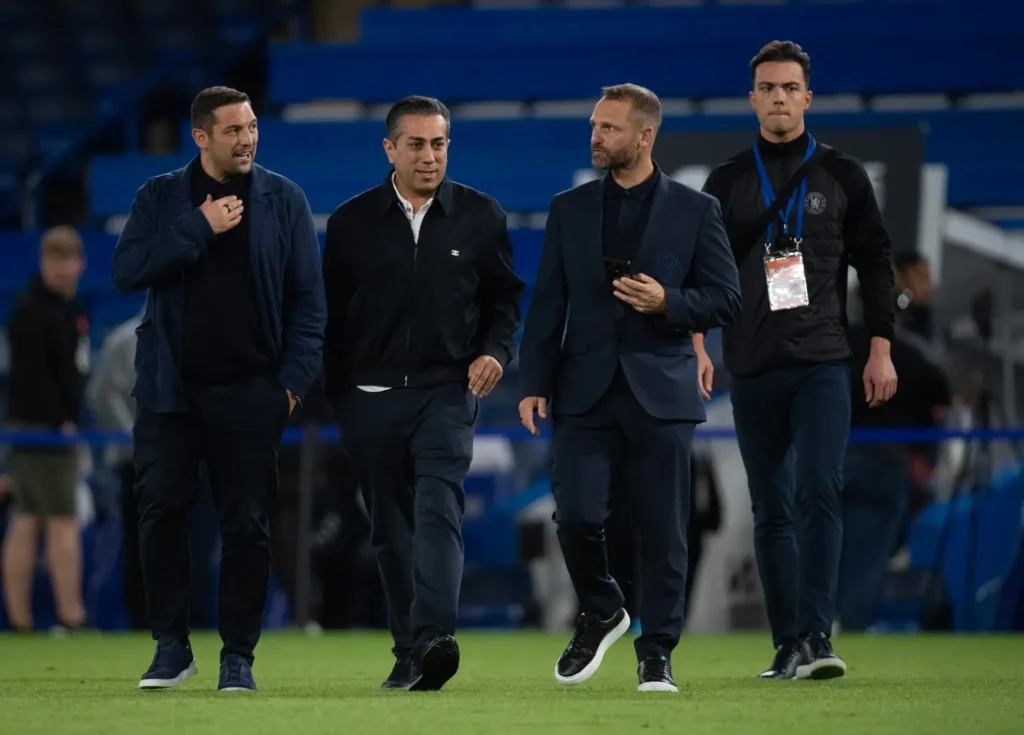
Chelsea under Todd Boehly perfectly illustrates director-first football.Since 2022, sporting directors Paul Winstanley and Laurence Stewart oversaw over £1 billion in spending and more than 40 signings. Yet managers have cycled rapidly:
- Thomas Tuchel (sacked 2022)
- Graham Potter (2023)
- Mauricio Pochettino (2024)
- Enzo Maresca (sacked early 2026)
- Liam Rosenior (2026 till present)
The directors remained. The vision remained. The recruitment machine continued.Coaches inherited squads built around long contracts, resale value logic, and data-driven projections. Alignment was inconsistent. Results fluctuated. Yet the executive structure endured. Chelsea’s case reveals a striking reality: coaches are increasingly replaceable components within a broader sporting framework.
Manchester United: INEOS and Structural Reset
At Manchester United, INEOS has formalized hierarchy above the coach.
Sir Jim Ratcliffe’s restructuring installed:
- Omar Berrada (CEO)
- Dan Ashworth (Sporting Director)
- Jason Wilcox (Technical Director)
Erik ten Hag’s influence over transfers diminished before his dismissal. Ruben Amorim arrived not as a managerial monarch, but as a head coach selected to fit a pre-defined sporting blueprint. Ashworth’s Newcastle experience of smart PSR management, strategic recruitment, sustainable asset trading represents the new orthodoxy. The coach implements. The director architects United’s past instability stemmed partly from lacking that structure. Now, the club prioritizes executive continuity over dugout dominance.
Why Directors Now Hold the Strategic Upper Hand
Several structural forces explain this shift:
- Financial Regulation
PSR and FFP compliance demand financial engineering expertise beyond a coach’s remit. - Data Revolution
Recruitment is now algorithmic as much as observational. Directors oversee data departments that influence player profiles before coaches even arrive. - Multi-Club Ecosystems
Loan networks, resale strategies, and talent pipelines require centralized oversight across clubs. - Owner Preferences
Billionaire investors seek stability and asset growth. Directors align more naturally with that model than short-term result-driven coaches.
In short: modern football rewards structural architects over tactical improvisers.
✅ Pros of Sporting Directors Holding More Power
- Long-Term Stability
Directors provide continuity beyond short-term results. While coaches may last 18–24 months, directors can embed a philosophy that survives managerial changes. - Strategic Squad Building
Recruitment becomes profile-based rather than personality-based. Clubs avoid rebuilding the squad every time a new coach arrives. - Financial Discipline
With PSR/FFP regulations tightening, directors manage contract structures, resale value, amortization strategies, and sustainable spending better than tactically focused coaches. - Data & Modernization
Directors oversee analytics departments, performance science, and scouting networks integrating modern tools that many traditional managers historically resisted. - Reduced Emotional Decision-Making
Coaches under pressure may demand panic signings. Directors can act as a stabilizing force, preventing short-term fixes that damage long-term planning.
❌ Cons of Director-Dominated Models
- Tactical Misalignment
If the director signs players who don’t suit the coach’s system, the squad becomes disjointed. This often leads to underperformance and managerial sackings. - Diluted Accountability
When power is split, blame becomes unclear. Directors rarely face media scrutiny, while coaches absorb public criticism. - Reduced Managerial Authority
Players may sense that the coach is not the ultimate decision-maker, subtly weakening the dressing-room hierarchy. - Over-Corporatization
Football risks becoming overly corporate driven by asset value and resale metrics rather than competitive instinct. - Vision Clashes
If director and coach philosophies differ (possession vs counter-attack, youth vs experience), instability increases rather than decreases.
The Core Tension
At its best, the director-coach model creates structural stability plus tactical excellence. At its worst, it creates confusion, ego battles, and fragmented leadership.The difference lies not in who has more power but in whether both roles are aligned.
The Counterpoint: Coaches Who Still Command Power
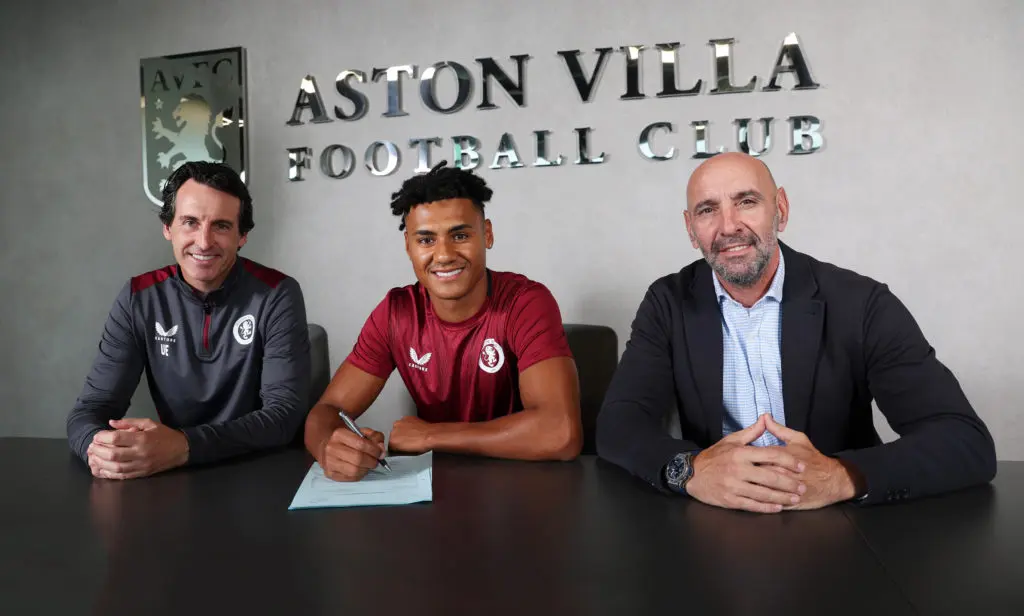
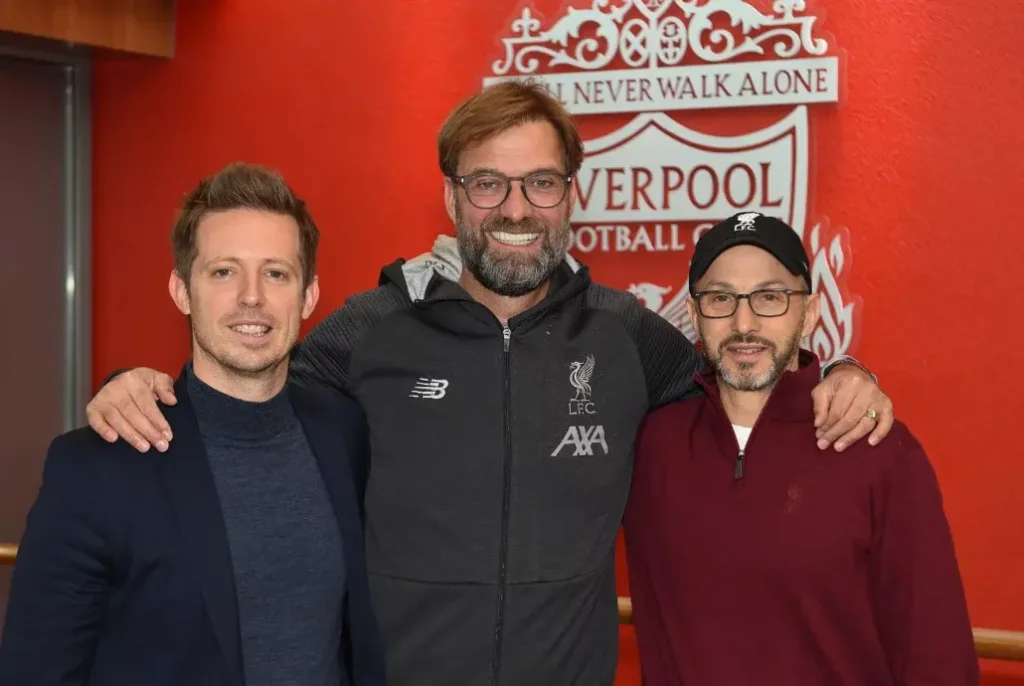
Not every club fits this pattern. Pep Guardiola retains enormous influence at Manchester City. Jürgen Klopp shaped Liverpool’s recruitment model alongside executives. Unai Emery at Aston Villa operates in close strategic alignment with Monchi a rare equilibrium rather than executive dominance.But these are exceptions rooted in elite trust and sustained success.For most clubs, longevity favors the boardroom.
Those managers earned leverage through sustained excellence, cultural authority, and alignment with ownership vision. Their influence wasn’t granted automatically; it was accumulated through trophies, player development, and institutional trust. The moment results dip, even elite coaches can find their autonomy quietly reduced. Modern contracts increasingly reflect this reality, with defined sporting structures that limit unilateral decision-making. In most contemporary clubs, power is conditional for coaches but structural for directors. Stability now belongs to the architect, not always the tactician.
Why Fans Should Care
Supporters often direct anger at managers after poor results. But in the modern game, many squad decisions originate far above the technical area.The coach faces the cameras.The director controls the blueprint.
Understanding this shift reframes how we assess failure and success. When a team struggles, the problem may not lie solely in tactics but in recruitment philosophy, contract strategy, or financial planning decided months earlier in executive meetings.It also changes how accountability should be distributed. A misfiring striker or an imbalanced midfield may reflect recruitment choices rather than coaching incompetence. Long-term contracts handed to underperforming players can restrict tactical flexibility long before a manager arrives.
Even stylistic inconsistencies pressing one year, possession-heavy the next often stem from shifting executive visions rather than dugout confusion. For fans, understanding the power structure adds nuance to criticism and praise alike. In the modern era, success is rarely just won on the training pitch;it is engineered in the boardroom first.