

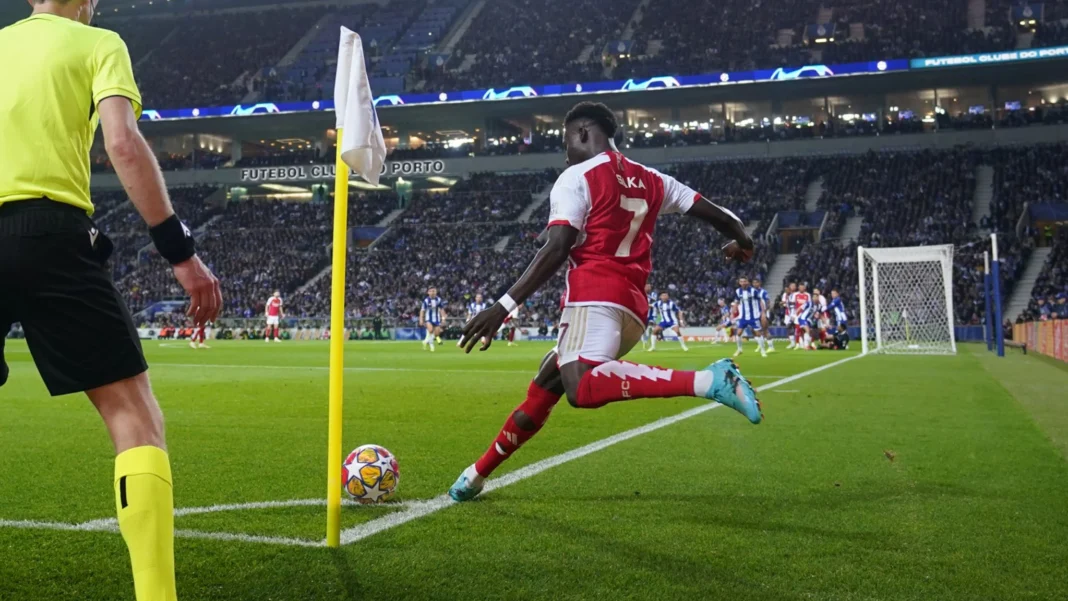

Corner kicks in football are a big deal – they’re a key part of the game and a pretty effective way for the attacking side to get the ball back in play from a good position. When the ball goes out near the defending team’s goal the attacking team gets a corner and that can lead to a goal. Lots of strikes at both amateur and pro levels come from corner kicks, so getting the lowdown on the rules is pretty important.
When Is a Corner Kick Awarded?
A corner kick gets awarded when the ball flies out of play over the goal line either on the ground or in the air, and the ball was last touched by a defender – no goal has been scored yet. Its pretty clear-cut – the whole of the ball has to cross that line for play to stop – and that usually happens in situations where a defender just blocks a shot, or a clearance goes behind the goal line, or the keeper pushes or punches the ball over the crossbar. In any case the attacking team gets that corner.
How Is a Corner Kick Taken?
The corner kick is taken from the corner spot right next to where the ball went over the goal line. The ball has to be placed within that spot, and the flag shouldn’t have been moved – just leave it alone. Opponents need to stand at least 9.15 meters back from the ball till it gets kicked, then it comes into play when it moves away. The player kicking it cant touch the ball again till another player has had a go first. Easy enough to score a goal straight from a corner kick without any deflection.
When Is a Corner Kick Not Awarded?
A corner kick will not be given if the attacking team was the last one to touch the ball before it crossed the goal line. In that case the defending team gets a goal kick instead. So if a striker shoots and it goes out wide without being touched by any defenders, or if it hits another attacking player – no corner kick. If the ball doesn’t fully cross the goal line the ball is still in play and no corner gets given.
Other Important Situations
If a foul or offside is called before the ball goes out of play then play will stop for that offence rather than giving the attacking team a corner kick. Match officials make some big calls on this – they have to decide who touched the ball last before it crossed over. If its a foul by the attacking team for instance, or offside then that’s what you deal with instead of a corner kick.
Conclusion
Corner kicks get awarded when the defending team sends the ball over their own goal line without conceding a goal. On the surface of things the rule seems pretty basic but in reality it requires a bit of fine focus and accurate decision-making from officials. The more you know about corner kicks the better you’ll appreciate the importance of set pieces in a game of football.