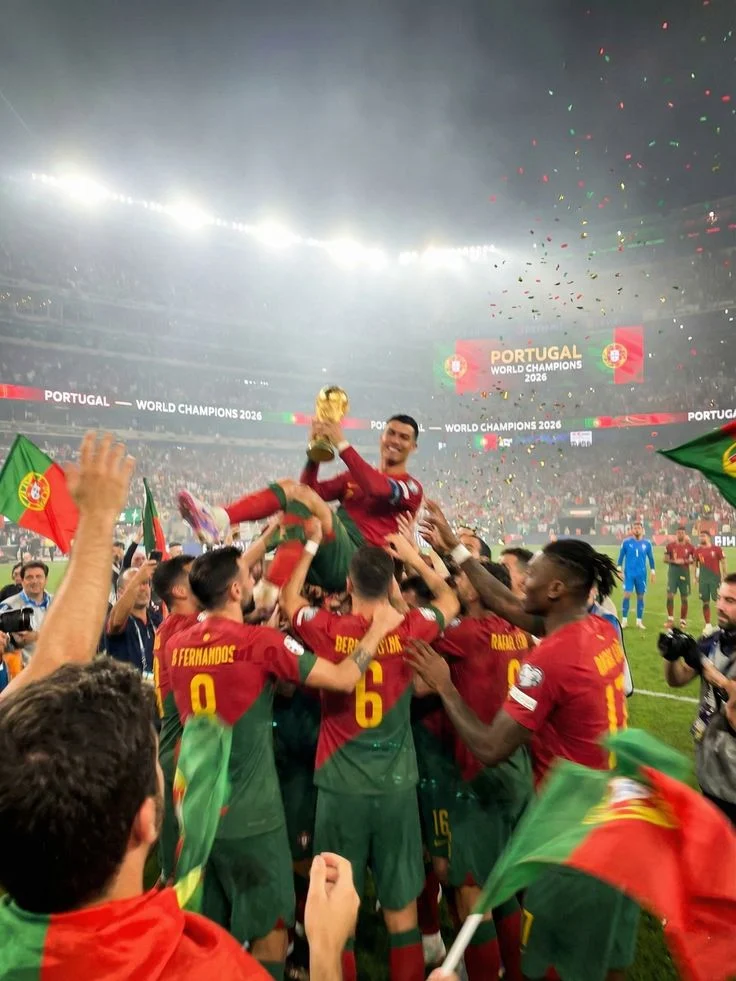

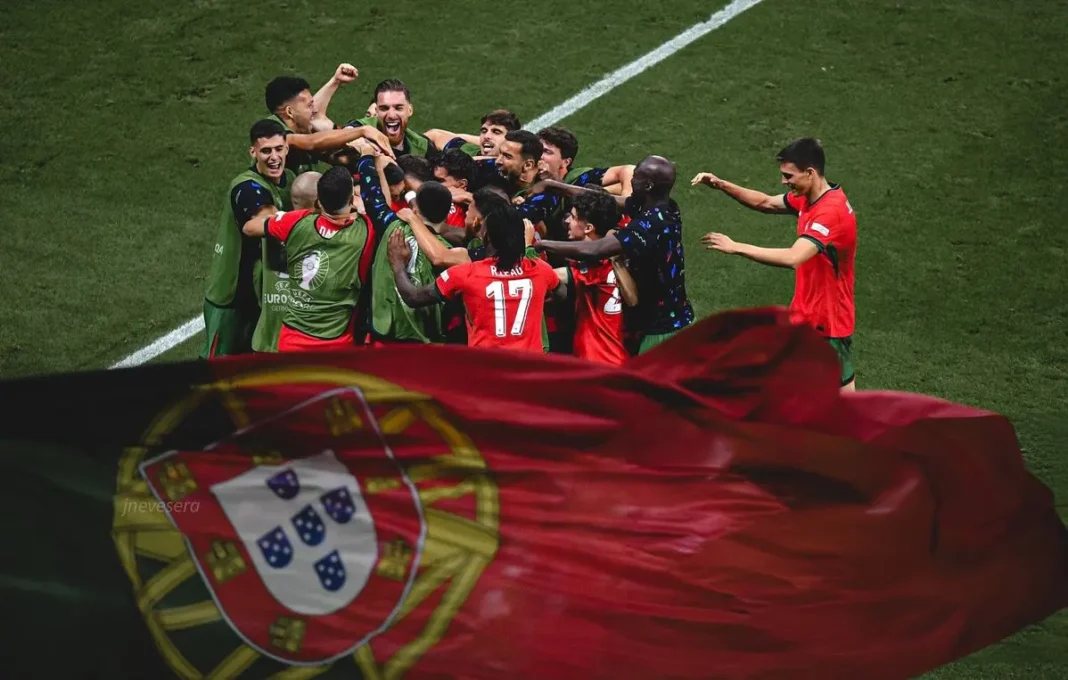

Portugal arrive at this World Cup with genuine belief and one of the most technically complete squads in their history. Blending experienced leaders with players in their prime, the national team possesses strength in every area of the pitch from defensive solidity to midfield control and attacking creativity. However, tournaments are rarely won by squads alone. They are defined by key individuals who rise in decisive moments, influence tight matches, and carry the emotional weight of a nation’s expectations. For Portugal, five players stand at the centre of those ambitions.
In a competition where a single moment can change everything, leadership, composure, and elite-level quality become decisive factors. Portugal’s tactical balance gives them structure, but it is individual brilliance that often separates contenders from champions. If these key figures deliver at the right time, the Portuguese will not just participate, they will compete with authority and belief on football’s biggest stage.
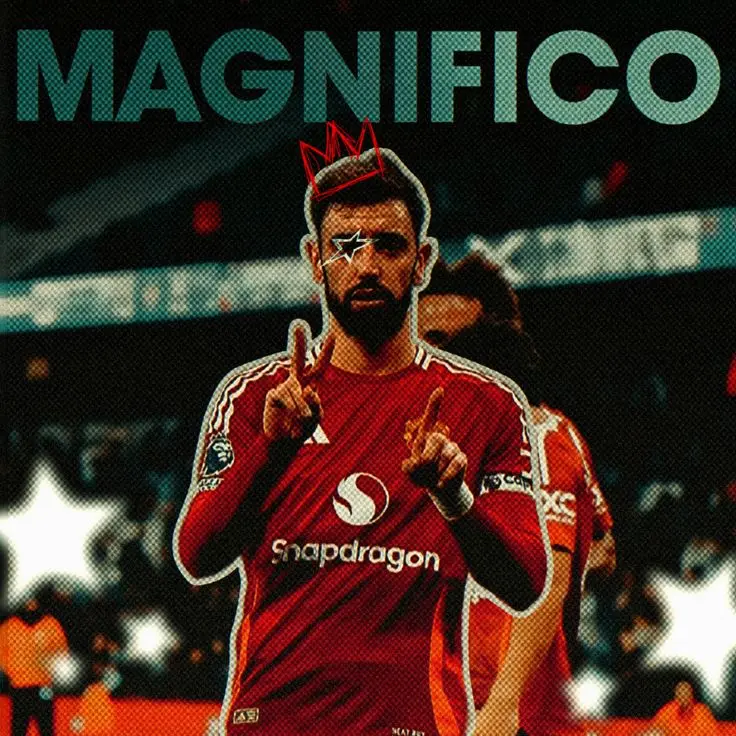
1. Bruno Fernandes – The Creative Engine
Bruno Fernandes is Portugal’s tactical heartbeat. Operating between midfield and attack, he dictates tempo, unlocks compact defences, and delivers decisive final balls. Crucially, he adapts to different tactical roles whether operating as a central creator, drifting wide to overload spaces, or arriving late in the box to score. That versatility allows Portugal to shift shape mid-game without losing attacking rhythm.
In tight knockout matches where margins are minimal, players who can produce one decisive pass or long-range strike become invaluable and Bruno consistently offers that match-defining quality.
Why he’s crucial:
- Elite vision and range of passing
- Goal threat from distance and penalties
- Leadership in high-pressure moments
Beyond statistics, Bruno brings intensity and personality to Portugal’s attacking play. He constantly demands the ball, takes responsibility in decisive phases, and is unafraid to attempt high-risk, high-reward passes that can split defensive lines. His work rate without possession also fuels Portugal’s press, allowing the team to regain control quickly.In tight knockout games, creativity becomes priceless and Bruno is Portugal’s most consistent and decisive chance creator.
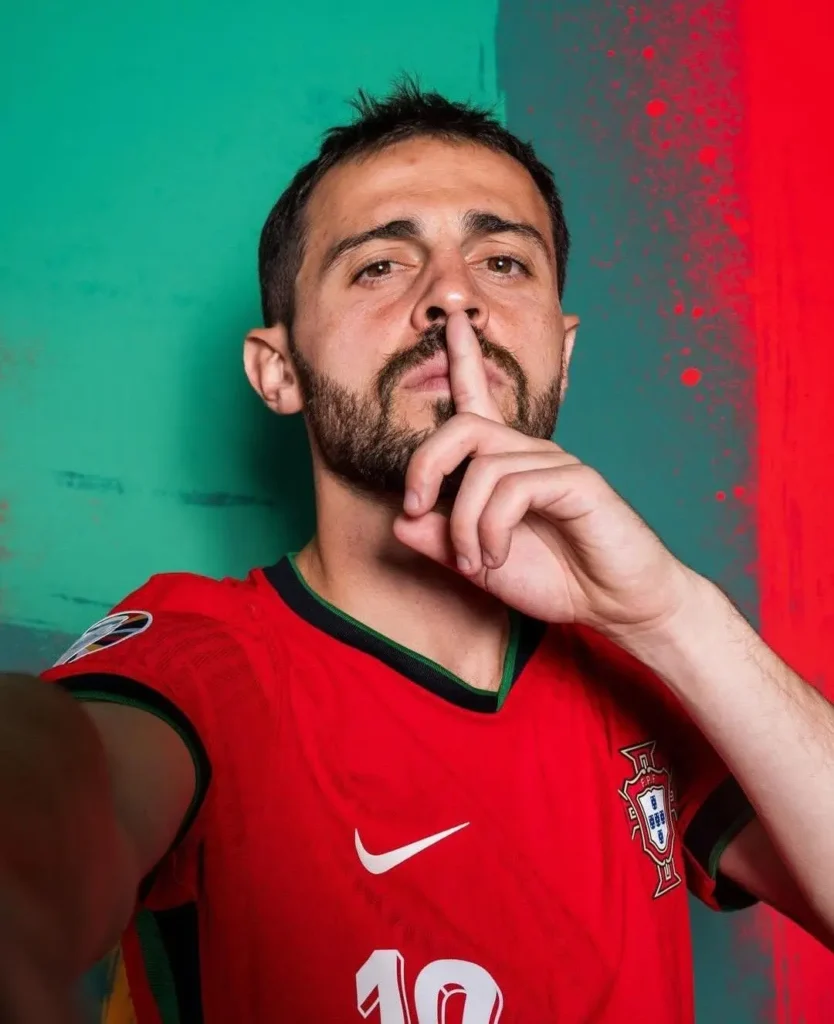
2. Bernardo Silva – The Intelligent Controller
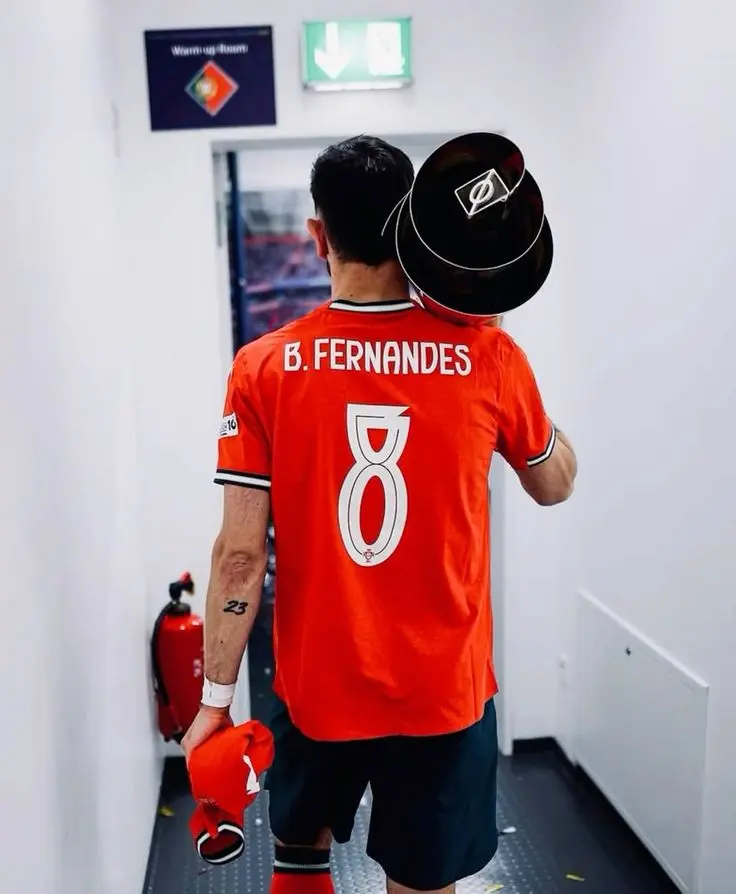
Bernardo Silva brings intelligence, composure, and tactical discipline to Portugal’s midfield. His ability to retain possession under intense pressure and press aggressively without the ball makes him indispensable in high-level matches.
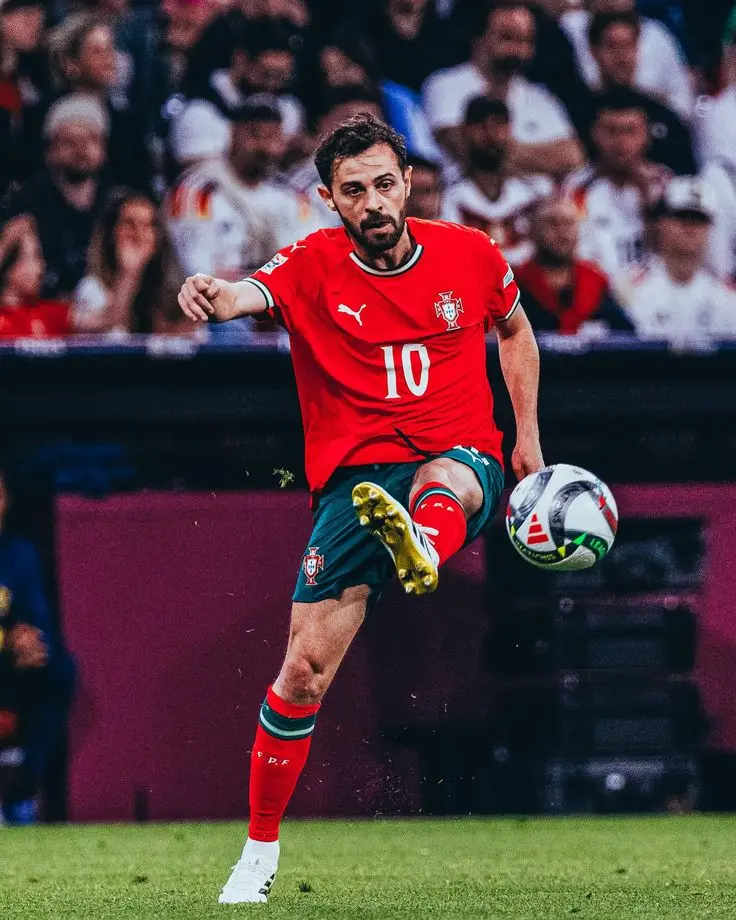
Why he’s crucial:
- Ball retention in tight spaces
- Tactical versatility (wing or central midfield)
- Defensive work rate and coordinated pressing
Beyond his technical qualities, Bernardo’s experience at the highest level of club football adds enormous value to Portugal’s tournament ambitions. Having competed in major European finals and title races, he understands how to manage tempo in pressure situations and remain calm when games become chaotic.He is also one of Portugal’s most tactically intelligent players, constantly scanning for space, creating overloads, and linking midfield to attack with quick, progressive combinations.
His discipline allows more attack-minded teammates freedom, as he balances creativity with structure.In knockout football, control often outweighs flair. Against elite nations, midfield dominance determines outcomes and Bernardo provides the composure, experience, and balance that stabilise Portugal when the stakes are highest.
3. Rúben Dias – The Defensive Leader
Tournament football is built on defensive stability. Rúben Dias anchors Portugal’s back line with authority, leadership, and composure under pressure. His presence brings calmness to high-stakes matches, especially when momentum shifts against Portugal. Dias communicates constantly, ensuring the defensive line remains compact and disciplined.
His ability to read danger early allows him to intercept attacks before they fully develop. Beyond his individual quality, his mentality and leadership inspire confidence throughout the entire team.
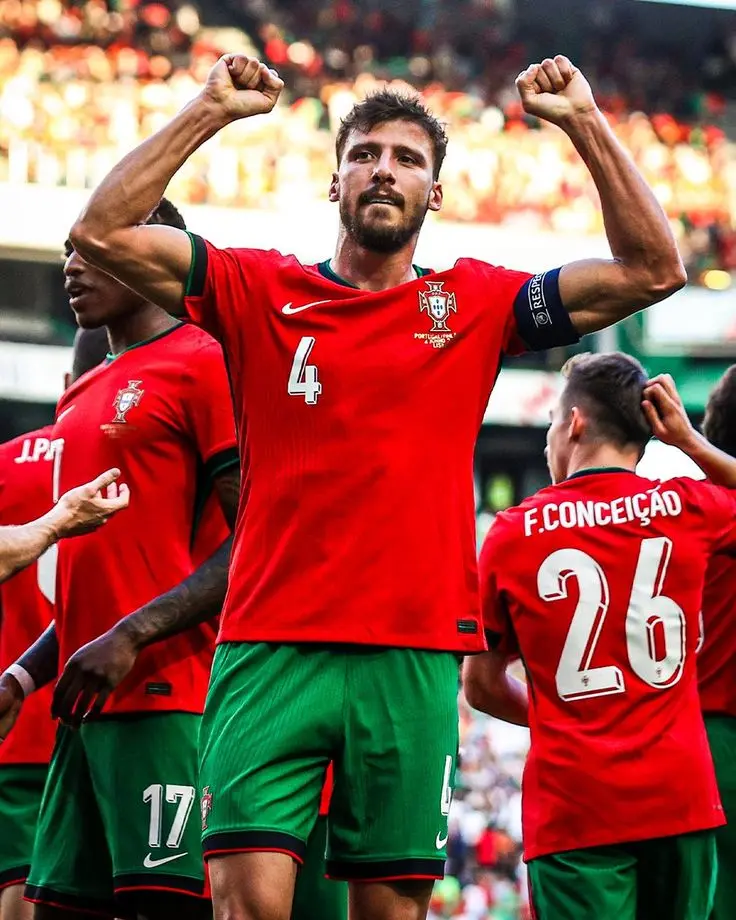
Why he’s crucial:
- Organises defensive structure
- Strong in aerial duels
- Calm distribution from the back
Beyond his physical presence, Dias brings vocal leadership and organisational clarity to the entire defensive unit. He constantly communicates with full-backs and midfielders, ensuring the team maintains compact shape and defensive discipline. His anticipation allows him to intercept danger early rather than relying purely on last-ditch tackles. Dias also thrives in high-pressure environments. His experience in title races and knockout competitions has sharpened his game management knowing when to slow tempo, when to clear danger decisively, and when to step forward to break opposition momentum.
Importantly, his composure spreads confidence through the team. When defenders remain calm, midfielders play freer and attackers take more risks. In World Cup football, where one defensive lapse can end a campaign, Dias minimises uncertainty and provides the structural backbone Portugal need to compete deep into the tournament.
4. Vitinha – The Tempo Setter
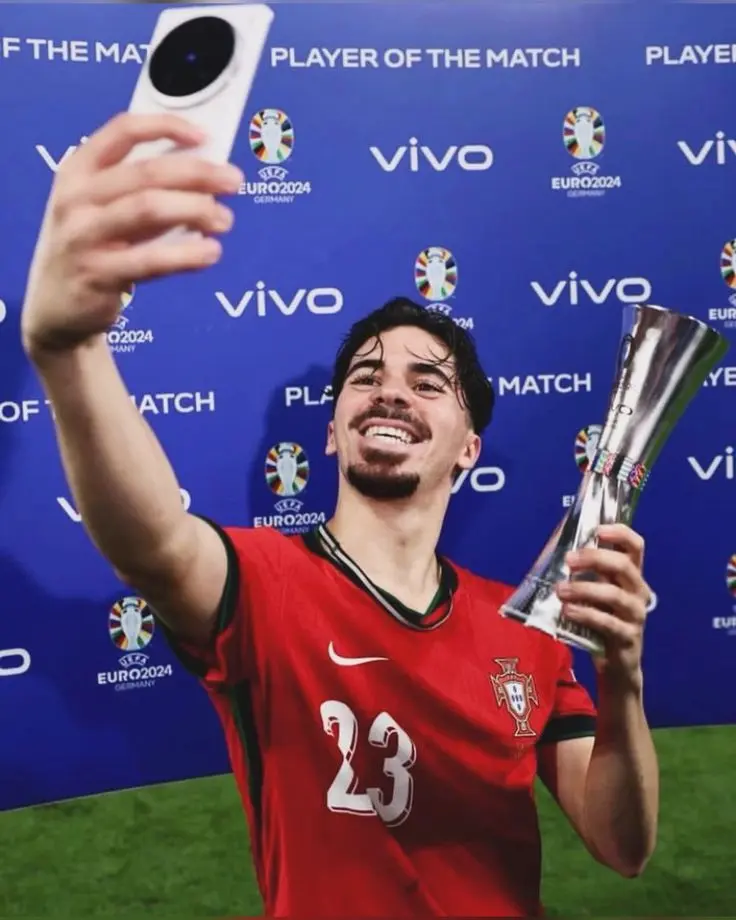
Beyond simply retaining the ball, Vitinha dictates the tempo of Portugal’s play, knowing when to accelerate attacks and when to slow the rhythm to maintain control. His vision allows him to spot vertical passing lanes that break defensive lines, turning patient buildup into penetrative moves. He frequently operates between the lines, offering a constant outlet and linking defence to attack seamlessly.
Why he’s crucial:
- Press resistance
- Progressive passing
- Tactical intelligence
In matches where possession is contested, Vitinha’s calmness becomes a strategic advantage.
Vitinha’s spatial awareness helps Portugal escape high presses, as he angles his body cleverly to receive and release in one or two touches. In tight international matches, where space is limited, his composure prevents rushed decisions and unnecessary turnovers. He also contributes defensively, pressing intelligently and recovering possession in midfield zones.
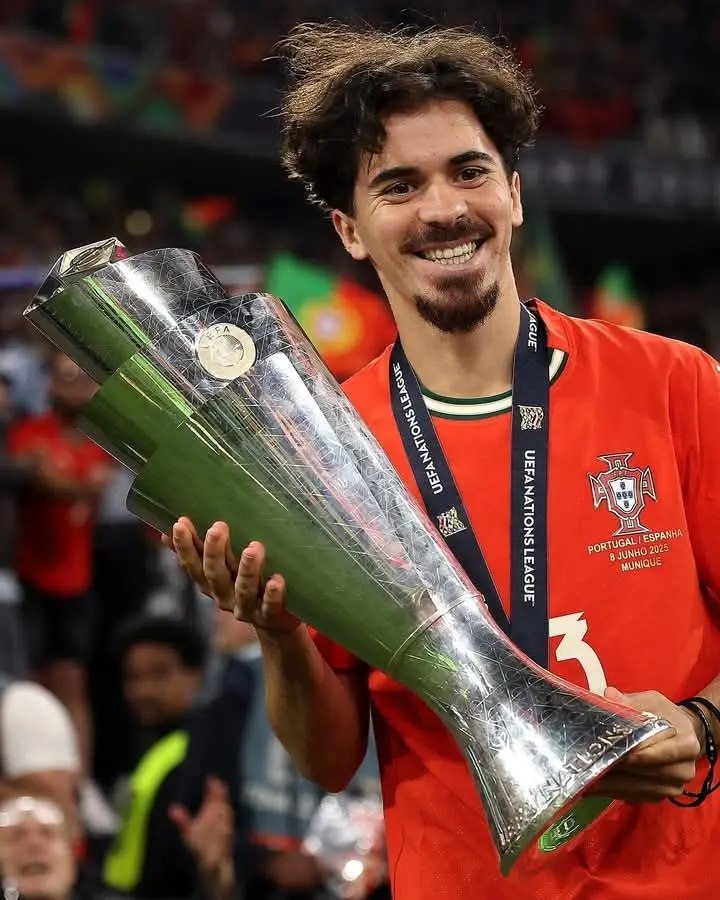
Most importantly, he enhances Portugal’s creative structure acting as a quiet playmaker who orchestrates attacks without forcing play. In tournament football, that level of control and playmaking intelligence can be the difference between dominance and chaos.
5. Cristiano Ronaldo – The Big-Game Mentality
Regardless of age or role, Cristiano Ronaldo’s presence transforms Portugal psychologically. Even if not at his physical peak, his instinct inside the box remains elite, and in knockout football, one decisive finish can define an entire campaign. This could potentially be his final major international tournament, which adds emotional weight and personal motivation to his performances.
Why he’s crucial:
- Elite tournament experience
- Clinical finishing
- Leadership and winning mentality
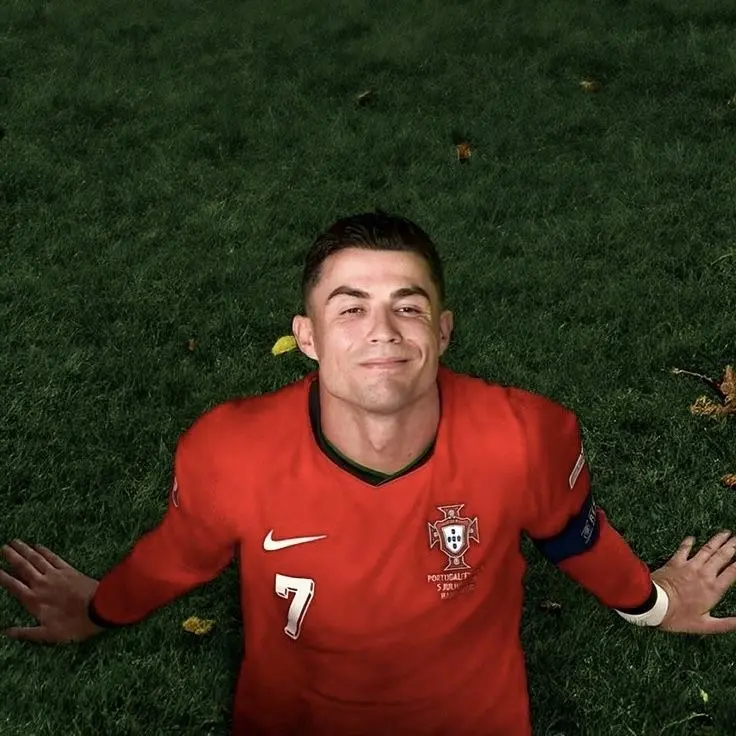
Beyond goals, Ronaldo’s mentality elevates those around him. Younger players feed off his standards, discipline, and relentless desire to win. In high-pressure moments, belief becomes contagious and his history of delivering in decisive matches gives Portugal a psychological edge. If Portugal are to go deep into the tournament, Ronaldo’s goals and mentality could once again be the defining factor.
His aerial presence also remains a major weapon, especially in tight matches where set-pieces become decisive. Defenders are still drawn toward him, which creates additional space for runners like Leao and Bernardo Silva in the box. Even when he isn’t heavily involved in build-up play, his positioning alone alters defensive structures.
Moreover, Ronaldo understands tournament football better than almost anyone managing energy, timing runs, and rising when the stakes are highest. In pressure situations such as penalties or late-game opportunities, few players in history have shown his level of composure and conviction. That experience cannot be taught; it is earned through years at the top.
Conclusion
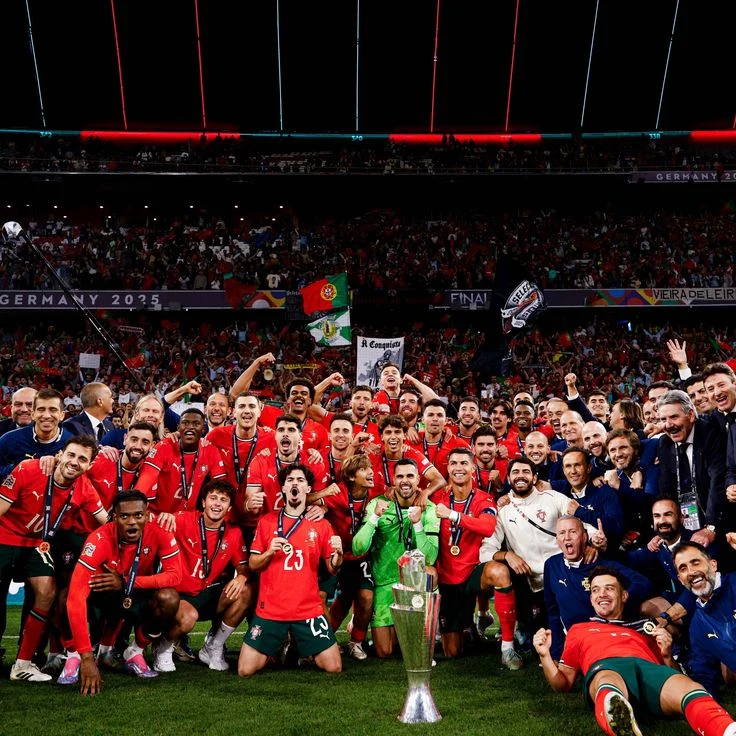
Portugal’s World Cup hopes are built on balanced defensive authority, midfield intelligence, and attacking ruthlessness. From Dias’ leadership at the back to Vitinha’s control in midfield, and Bernardo’s intelligence between the lines, the structure is strong. Ronaldo adds the emotional edge and decisive mentality that tournament football demands.
If these key figures perform to their potential, Portugal possess not just talent, but the psychological resilience required to compete with the world’s elite. In knockout football, margins are thin and this core group could be the difference between a good tournament and a historic one.