

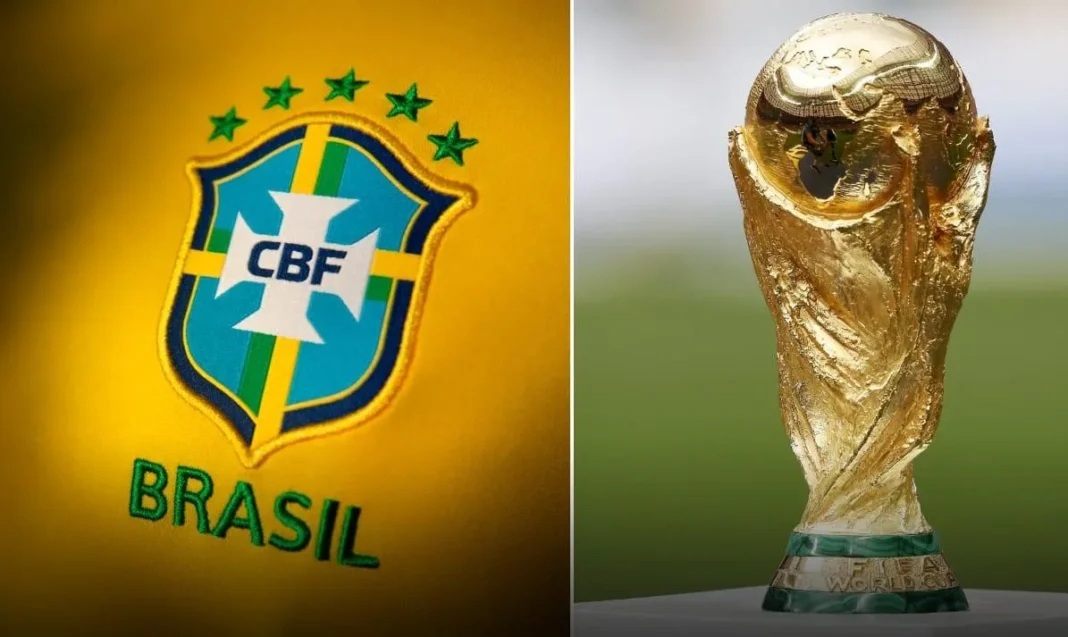

The FIFA World Cup is the biggest event in football, but for Brazil, it has always meant far more than winning matches or lifting trophies. It is part of the country’s soul. Every World Cup tells a Brazilian story of hope, pressure, joy, heartbreak, and pride carried by millions. Over the decades, Brazil have not just competed in the tournament; they have given it its most unforgettable moments. Through flair, freedom, and fearless football, Brazil turned the World Cup into a stage where the game was not only played, but celebrated.
Five World Cups, One Footballing Identity:
1958: A Young Nation Announces Itself
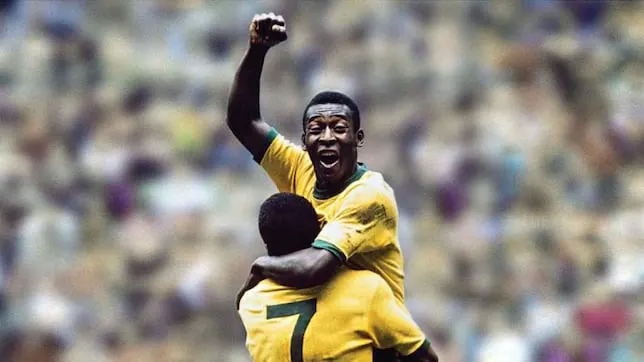
Brazil’s 1958 World Cup victory marked the moment the nation truly arrived on the global football stage. Still searching for belief after earlier disappointments, Brazil played with a freedom that felt new to the world. A 17-year-old Pelé became the symbol of that breakthrough, scoring crucial goals and announcing the rise of a footballing powerhouse. More than just a trophy, 1958 gave Brazil confidence, identity, and the feeling that the World Cup could belong to them.
1962: Champions Without Fear
Brazil’s 1962 World Cup win proved that their success in 1958 was no coincidence. Even without a fully fit Pelé for much of the tournament, the team played with calm authority and belief. Led by the brilliance of Garrincha, Brazil showed they were no longer hopeful challengers but champions without fear. Defending the title confirmed Brazil’s place at the top of world football and strengthened their growing legacy.
1970: Football at Its Most Beautiful
The 1970 World Cup in Mexico remains the moment when Brazil’s football truly became legend. With a squad full of stars like Pelé, Jairzinho, Gérson, Rivellino and captain Carlos Alberto, Brazil blended flair with ruthless effectiveness, winning all their matches and lifting the trophy with a stunning 4–1 victory over Italy in the final. Their style wasn’t just about winning, it was about joy, fluid passing, creativity and teamwork that made every match feel like a celebration of the beautiful game. The final’s iconic team goal, finished by Carlos Alberto, still stands as one of the greatest World Cup moments ever and helped Brazil keep the Jules Rimet Trophy for good, symbolizing a footballing masterpiece that has influenced generations.
1994: Grit, Discipline and a New Brazil
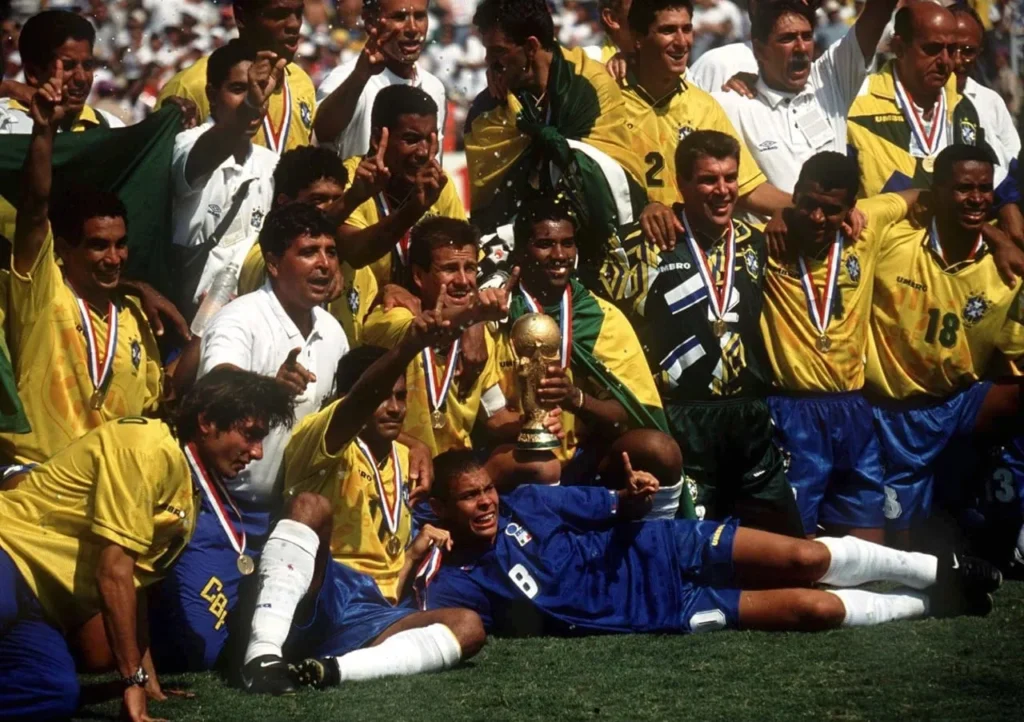
Brazil’s 1994 World Cup win didn’t look like the Brazil people were used to seeing, and that’s exactly why it mattered. This was a team built on hard work, organisation, and mental strength rather than constant flair. Matches were tense, margins were small, and Brazil often had to dig deep to survive. Romário provided the spark in attack, while Dunga led with intensity and responsibility. Winning the final on penalties against Italy showed a new side of Brazilian football, one that could stay calm under pressure and do whatever it took to win.
2002: Redemption and the Return of Samba
Brazil’s 2002 World Cup victory felt like a return to who they truly were. After the heartbreak of losing the 1998 final, expectations were heavy, but this team played with confidence and joy. Ronaldo’s comeback story became the heart of the tournament, as he scored goals with hunger and freedom, reminding the world of his greatness. Supported by Ronaldinho’s creativity and Rivaldo’s intelligence, Brazil mixed flair with efficiency and won every match on the way to the trophy. In Japan and South Korea, Brazil didn’t just win again, they rediscovered their samba spirit.
The 2026 wc and finding the lost identity again:
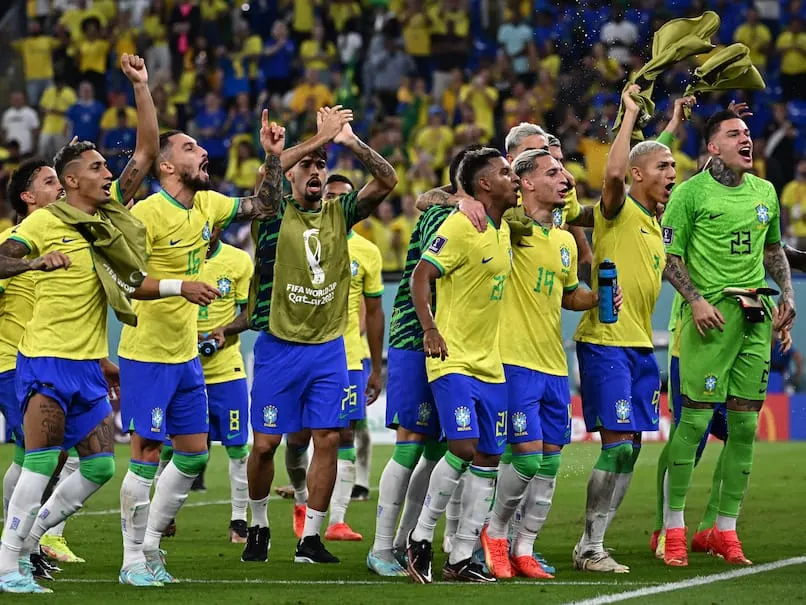
As the 2026 World Cup approaches, Brazil stands at a crossroads, searching not just for another trophy but for a sense of themselves. Recent tournaments have shown quality without consistency, talent without the freedom that once defined Brazilian football. The question now is not whether Brazil can win, but whether they can reconnect with the identity that made them special, fearless players trusted to express themselves, balanced by modern discipline. If 2026 becomes the moment Brazil blends today’s tactical demands with their traditional joy, it could mark the beginning of a rediscovery rather than just another campaign.