



In modern football, the Sporting Director is one of the most important figures in a club’s back-office leadership even if they don’t always grab headlines like coaches or superstar players. Often called a Director of Football or Technical Director depending on the club or country, this executive bridges the gap between the footballing side of a club and its business leadership.
Operating behind the scenes, the sporting director is responsible for shaping the club’s long-term sporting vision, ensuring consistency in recruitment, playing philosophy, and squad development. As managers come and go, this role provides stability, continuity, and strategic direction. In an era driven by data, finances, and sustainability, the sporting director has become a central figure in how modern football clubs are built and sustained.
2. Core Roles & Responsibilities
A sporting director wears many hats, blending football expertise with management skills. Their core responsibilities include:
Strategy & Club Identity
They define the club’s long-term sporting vision and philosophy on how the team should play and operate from the academy to the first team. The idea is to build consistency in style, culture, and development across all teams.
Player Recruitment & Transfers
One of the most high-profile duties:
• Lead scouting networks and data analytics.
• Identify transfer targets and negotiate deals.
• Align player signings with the club’s philosophy and financial parameters.
Unlike a coach, the sporting director is responsible for planning future squads, not just filling immediate gaps.
Contract, Wages & Squad Management
They manage player contracts renewals, sales, loans and shape a wage structure that maintains financial balance while strengthening the team
Youth Academy & Player Development
A sporting director ensures the club’s academy and development programs are aligned with the first team. This creates clear pathways for top youth prospects to progress into senior football.
Collaboration with Coaches
While head coaches focus on tactics and training, the sporting director works with them to identify squad needs, influence which players are pursued, and even sometimes participate in coaching appointments.
Continuity & Stability
Managers often come and go, but a sporting director provides stability maintaining a coherent strategy through transitions, which helps protect the club’s long-term interests. Eg:Chelsea
3. Sporting Director vs. Head Coach / Manager:
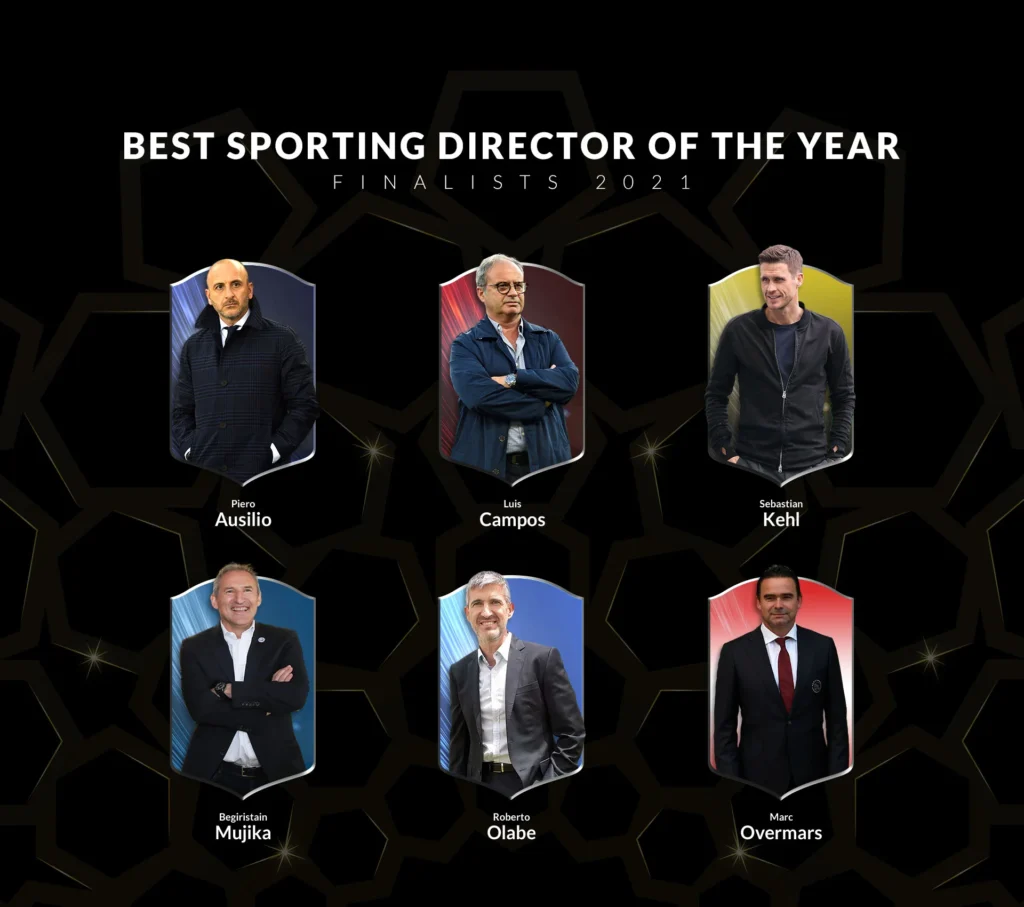
It is essential to understand the distinction between a sporting director and a head coach or manager, as the two roles serve very different purposes within a football club. The sporting director operates with a long-term strategic focus, overseeing recruitment, scouting networks, contract management, youth development, and the overall footballing philosophy of the club. Their responsibility is to build a sustainable sporting structure that extends beyond any single season or manager.
In contrast, the head coach or manager is primarily focused on short-term performance. Their day-to-day duties revolve around training sessions, match preparation, tactical decisions, and team selection, with immediate results often defining their success.
While the head coach concentrates on winning matches in the present, the sporting director designs the framework in which those matches are played. By maintaining a clear sporting vision and structural continuity, the sporting director ensures stability and consistency even as managers change over time.

4. Why the Role Matters
The role of a sporting director has become widespread across Europe and increasingly in leagues worldwide including the Premier League, La Liga, Bundesliga, and MLS. Here’s why:
🧠 Strategic Continuity
Without a single visionary strategy, clubs can become directionless when managers are replaced. A sporting director ensures continuity.
📊 Professional Recruitment
Football clubs today rely on sophisticated scouting, analytics, and long-term planning rather than last-minute decisions. Sporting directors lead this process and decide targets that the club will pursue.
🌱 Youth Development
They help create seamless pathways from the academy to first-team football, nurturing talent and increasing sustainability.
💼 Club Identity
By defining how the club should play and operate structurally, sporting directors help preserve a club’s identity across coaching and player changes. Also play a major part in selecting a new Head Coach for teams and also making various signings across all levels be it for the first team or even the academy.
5. Examples in Football
Across Europe and beyond, many elite clubs rely heavily on sporting directors as central decision-makers within their footballing structures. At clubs such as Bayern Munich, Barcelona, Manchester City, and AC Milan, sporting directors have played a decisive role in shaping recruitment strategies, modernising scouting departments, and aligning youth development with first-team needs. Their influence is often most visible in successful transfer windows, smooth managerial transitions, and the promotion of academy talent.
These figures act as long-term architects, balancing competitive ambition with financial sustainability while shielding head coaches from broader structural pressures. By supporting managers, enforcing a clear footballing identity, and planning several seasons ahead, sporting directors help clubs navigate periods of transition and growth. Their impact often outlasts individual managers, proving how influential the role has become in modern football.
Notable Examples of Sporting Directors in Football
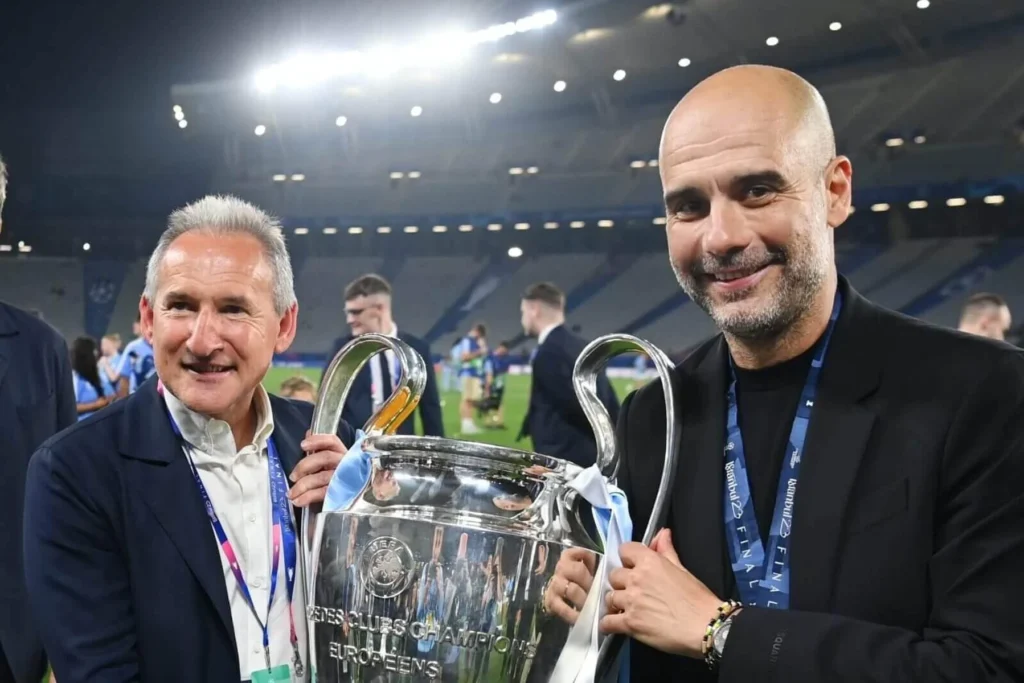
Several renowned sporting directors highlight how influential the role has become at elite clubs. Txiki Begiristain at Manchester City has been central to the club’s dominance, overseeing a long-term recruitment strategy aligned with Pep Guardiola’s playing philosophy and building a squad capable of sustained success across competitions. At Bayern Munich, figures such as Hasan Salihamidžić played a key role in squad planning, contract management, and maintaining the club’s competitive edge domestically and in Europe.
The Sporting Director: Football’s True Long-Term Game Changer
A sporting director in football is much more than an administrator; they are the architect of a club’s sporting future. By blending strategic planning, scouting expertise, and deep football insight, they ensure that a club not only competes today but builds sustainably for tomorrow. In an era of frequent managerial changes, their presence provides continuity, structure, and long-term direction.
As modern football becomes increasingly complex driven by data, finances, and global recruitment the sporting director’s role continues to grow in importance. Their ability to align ownership vision, coaching needs, and player development often defines a club’s success over multiple seasons. Ultimately, behind every well-run football club, there is a sporting director shaping the path forward, often quietly, but decisively.