

1966 World Cup
Portugal announced themselves on the global stage in their tournament debut, finishing third still the nation’s best-ever World Cup result. They stormed through Group 3 unbeaten, defeating Hungary (3–1), holders Brazil (3–1), and Bulgaria (3–0), with Eusébio scoring in every match and establishing himself as the competition’s most feared attacker.
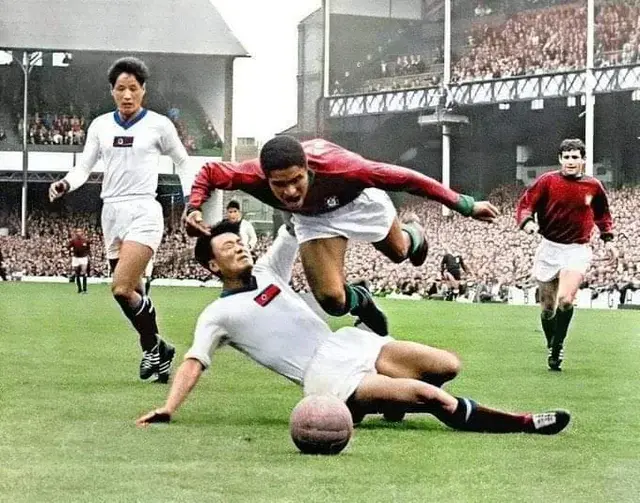
The quarter-final produced one of World Cup history’s great comebacks, as Portugal overturned a 3–0 deficit against North Korea to win 5–3, inspired by Eusébio’s remarkable four-goal performance. Under coach Otto Glória, Portugal combined physical intensity with attacking freedom, built around the “Black Panther’s” pace and finishing. Their run ended in a narrow 2–1 semi-final defeat to hosts England, before a composed 2–1 victory over the USSR secured the bronze medal and cemented Portugal’s arrival among football’s elite.
2006 World Cup
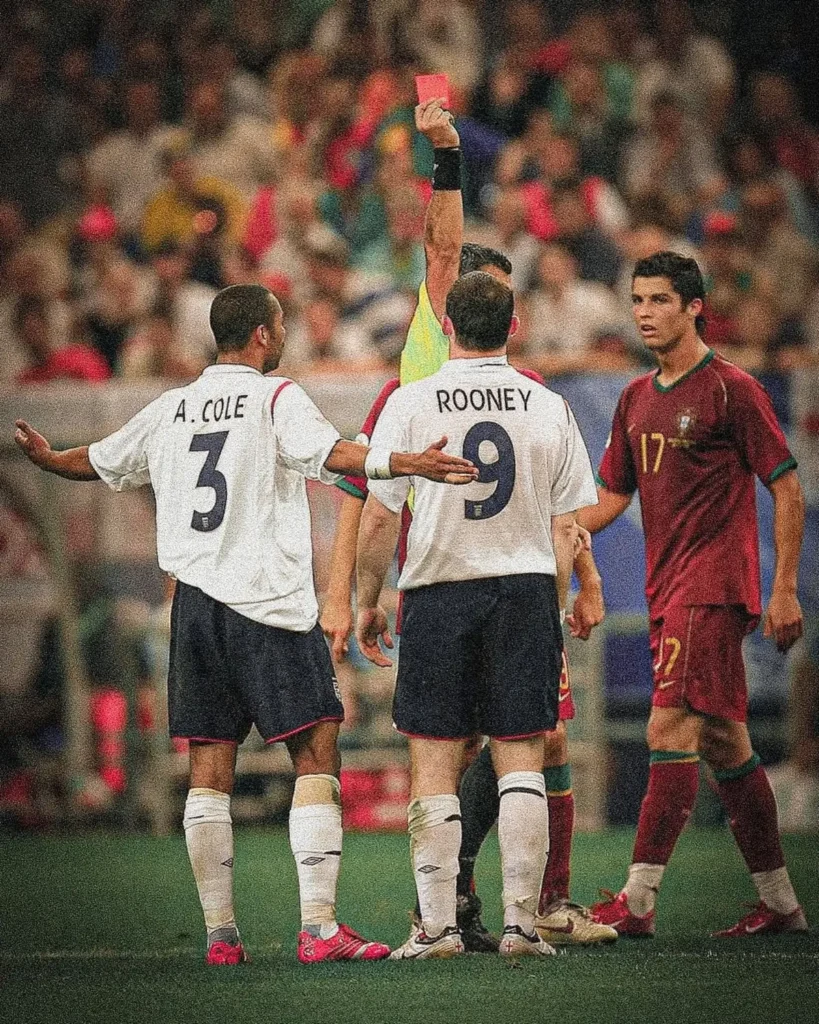
Portugal finished fourth at the 2006 World Cup in Germany, their strongest showing since 1966 and a clear statement of their return to the elite. They progressed from Group D as runners-up, earning wins over Mexico and Iran alongside a hard-fought draw against the Netherlands. Under Luiz Felipe Scolari, Portugal developed into a disciplined, tournament-hardened side, blending technical quality with tactical control. The quarter-final against England became one of the tournament’s defining moments, marked by Wayne Rooney’s red card after an altercation with Ricardo Carvalho and Cristiano Ronaldo’s controversial involvement, which sparked lasting debate and heightened rivalry between the two nations.
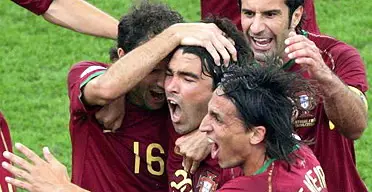
Portugal capitalised on their numerical advantage, holding England to a goalless draw before prevailing in a tense penalty shootout. Deco emerged as the creative heartbeat, controlling midfield rhythm and providing three assists, but Portugal’s campaign ended with a narrow semi-final defeat to France and a 3–1 loss to hosts Germany in the third-place play-off leaving a sense of both achievement and unfinished business.
Other Notable World Cup Finishes
Beyond their landmark runs in 1966 and 2006, Portugal have produced several respectable World Cup campaigns that reinforced their growing consistency on the global stage. At Euro 2016 winners, expectations were high heading into 2018, where Portugal reached the Round of 16 before being edged out 2–1 by Uruguay, a match defined by fine margins and Edinson Cavani’s clinical finishing.
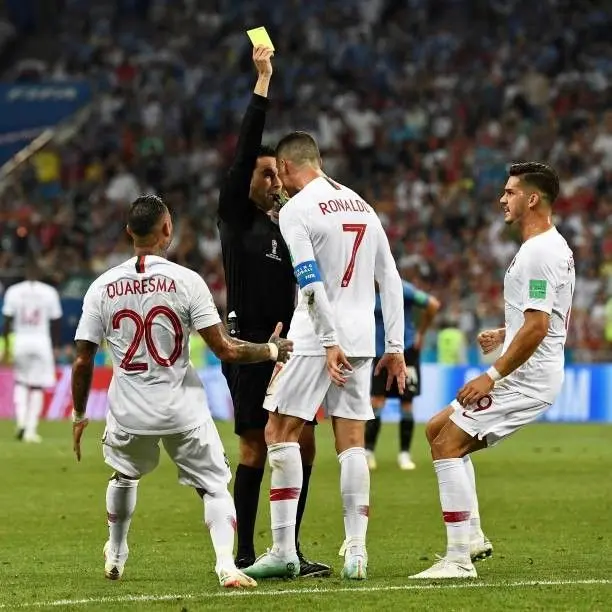
2002, by contrast, proved a major disappointment, as a talented squad exited in the group stage despite flashes of quality, highlighting issues of cohesion and preparation.
The 2022 World Cup in Qatar represented Portugal’s deepest modern run, as they reached the quarter-finals, their joint third-best finish overall. A commanding 6–1 victory over Switzerland showcased the squad’s attacking depth and tactical flexibility under Fernando Santos, but the campaign ended in frustration with a narrow defeat to Morocco.
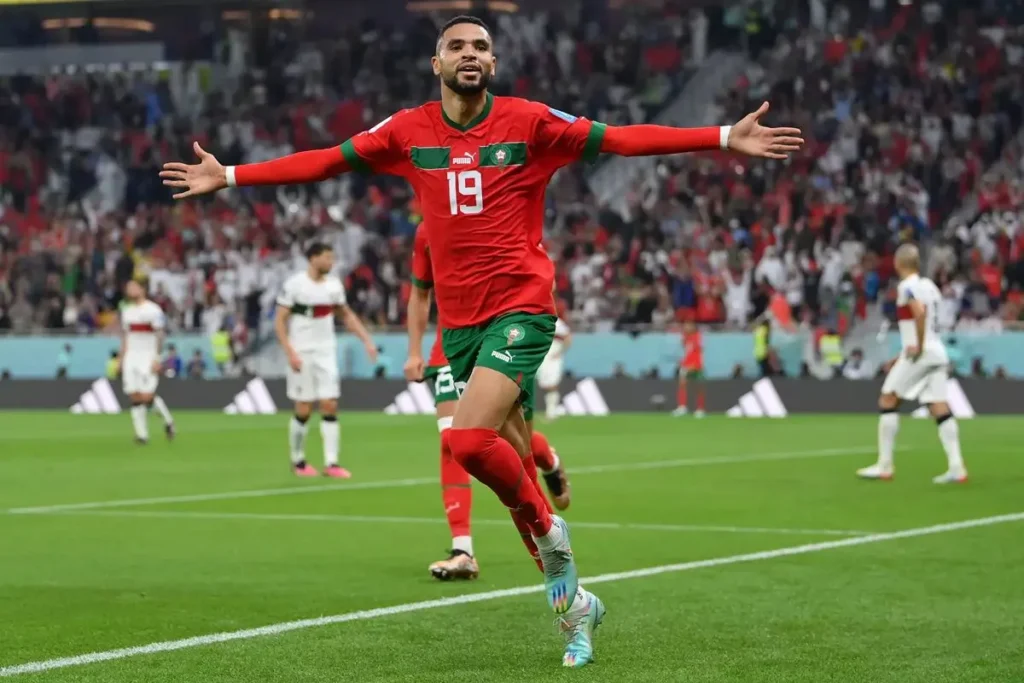
Earlier, 1986 and 2014 also ended at the group stage, tournaments marked by internal turmoil and injury setbacks respectively. Collectively, these campaigns reflect a nation capable of competing at the highest level, yet still chasing the consistency required to match its historic peaks.
The Last Dance of this Golden Generation
Portugal enter this World Cup as serious contenders rather than outright favourites, armed with one of the deepest and most balanced squads in their history. The blend of elite midfield control through players like Bruno Fernandes and Vitinha, explosive wide options, and growing depth in attack gives them multiple tactical routes to win games. Defensively, the talent is there, but consistency and concentration in high-pressure moments remain the key question mark. Tournament management will be crucial, especially in knockout matches decided by fine margins.
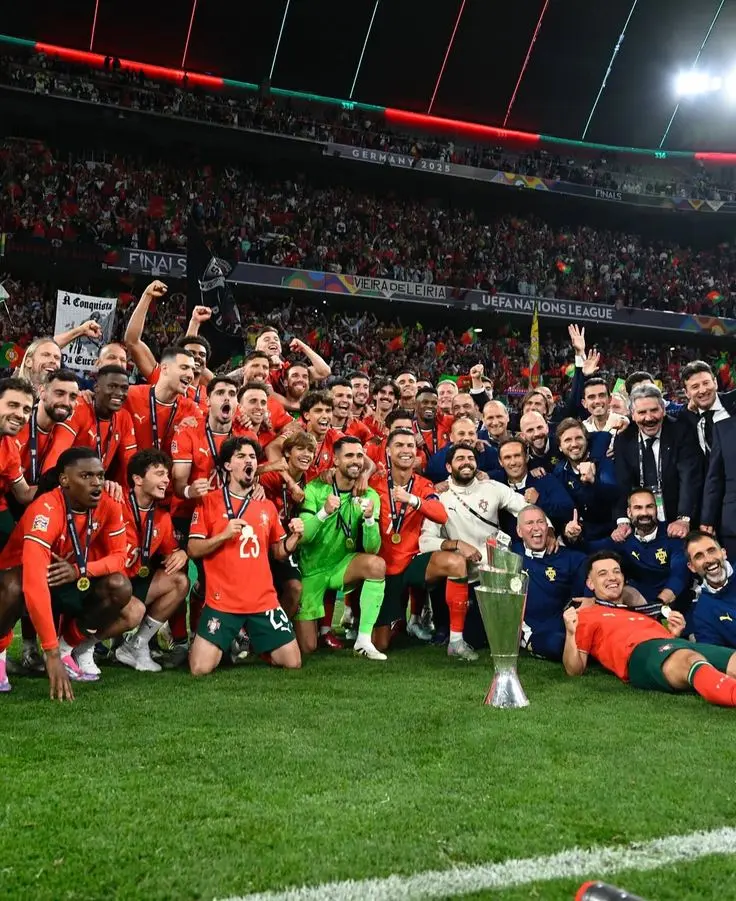
The handling of Cristiano Ronaldo’s role whether as focal point or situational weapon could shape their ceiling. If cohesion matches talent and they avoid defensive lapses, a semi-final run is realistic. With the right draw and momentum, Portugal have the tools to go even further but execution will decide everything.