

When the Touchline Becomes a Red Card Zone
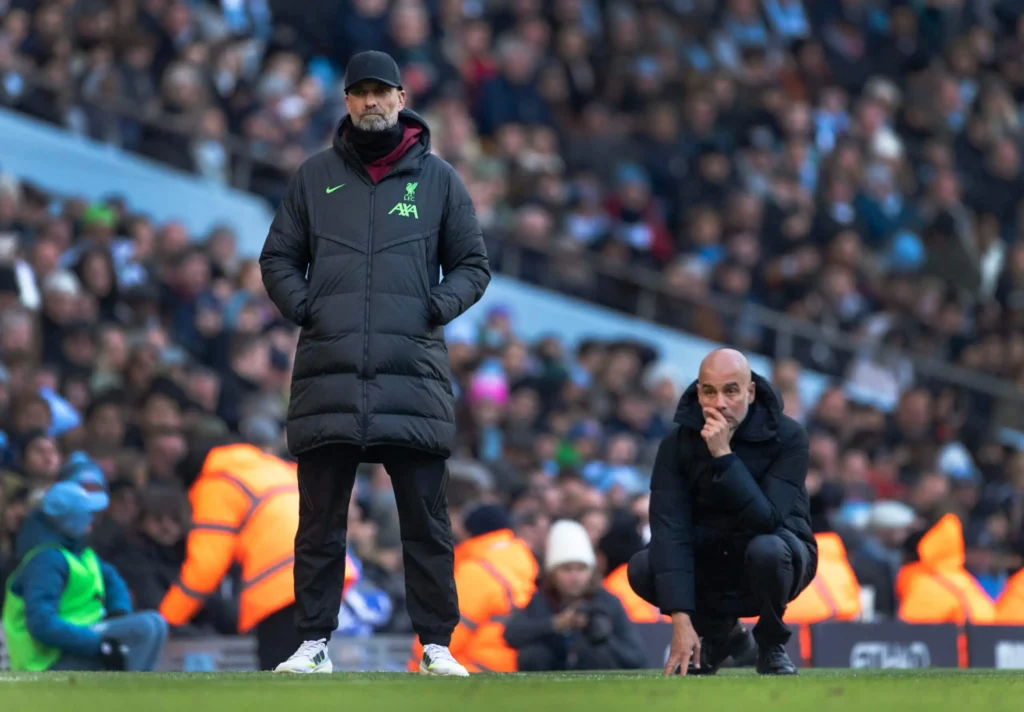
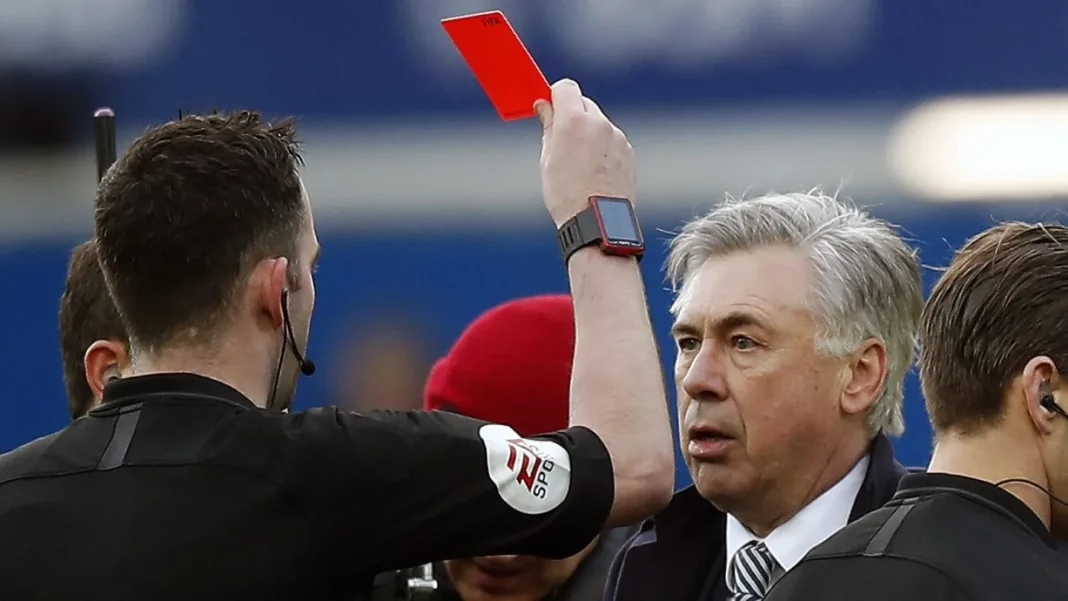
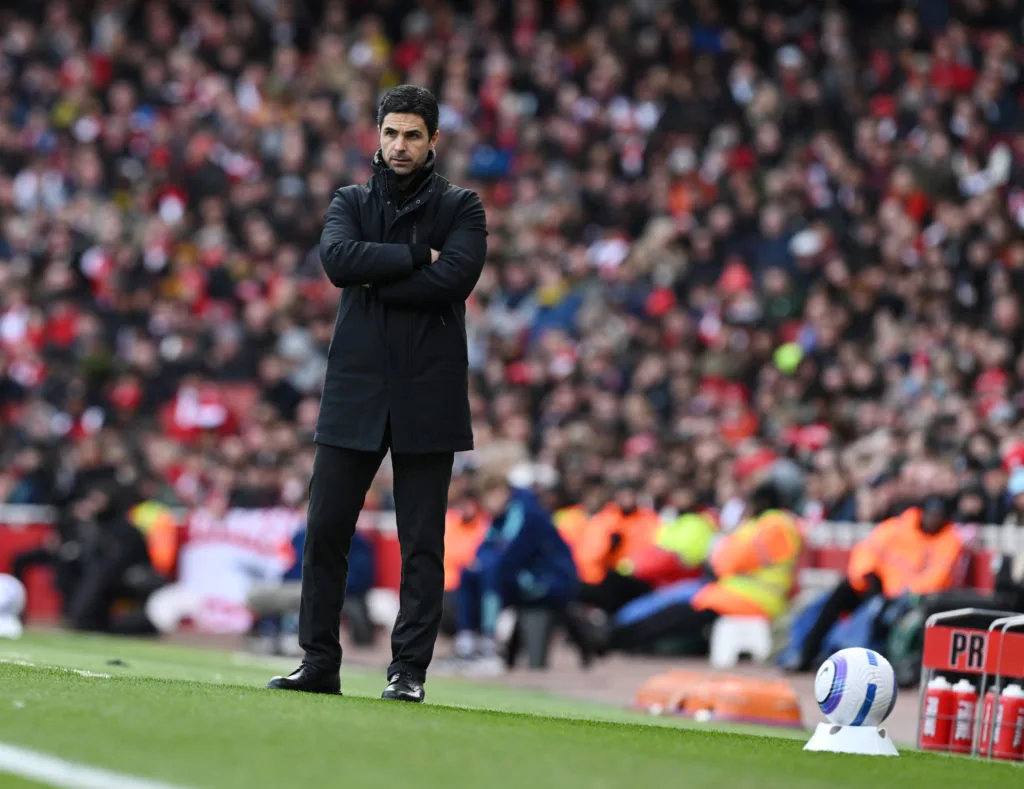
For a long time, football treated managers as untouchable figures. They could shout, wave arms, berate officials, and roam the technical area with little consequence. That reality has changed. Modern football has formalised touchline behaviour, placing managers firmly within the disciplinary framework of the Laws of the Game. A manager being sent off is no longer a rare spectacle, it is an accepted enforcement of authority, respect, and control.
Managers are not governed by the laws that regulate tackles or fouls, but by laws that regulate conduct. Their influence on players, officials, and the match atmosphere is considered powerful enough to warrant strict oversight. When a manager is dismissed, it is rarely about passion alone, it is about behaviour crossing a line that football has deliberately drawn.
Dissent and Confrontation with Match Officials
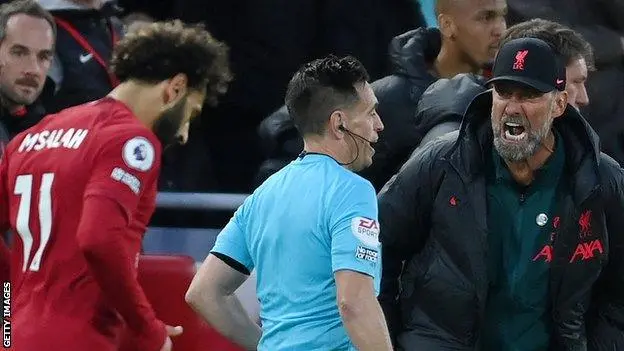
The most common reason managers are sent off is dissent. Persistent, aggressive, or demonstrative disagreement with refereeing decisions is categorised as irresponsible behaviour under the Laws of the Game. While football accepts emotional reactions, it does not tolerate sustained pressure on officials, particularly when it is visible, theatrical, or confrontational. Managers arguing decisions loudly, making exaggerated gestures, or repeatedly questioning authority are no longer viewed as passionate competitors, but as destabilising figures.
Referees are instructed to judge not just words, but tone, repetition, and intent. A single outburst may lead to a warning or yellow card, but continued defiance signals refusal to comply. At that point, dismissal becomes a tool to restore control rather than a punishment for a specific phrase or action.
Offensive, Insulting, or Abusive Language
Managers can be sent off immediately for using language that is deemed offensive, insulting, or abusive. This includes swearing directed at referees, opposition staff, players, or even used demonstratively in a public manner. Crucially, dismissal does not require the language to be directed at a specific individual. Language that undermines respect for officials or inflames the environment is sufficient.
Modern football places heavy emphasis on image and responsibility. With microphones near technical areas and global broadcasts amplifying every moment, managers are held to a higher standard. The dismissal is not just about words spoken, but about the message those words send to players and spectators.
Leaving the Technical Area Improperly
The technical area exists to limit influence, not eliminate it. Managers are allowed movement to convey instructions, but repeated or aggressive breaches are punishable. A calm step forward to communicate with a player is rarely an issue. A charged movement towards the referee, opposition bench, or fourth official is treated very differently.
Managers who repeatedly leave their designated area to argue decisions, confront officials, or provoke opponents risk dismissal. The offence is not defined by distance but by behaviour. Football judges intent over geography, and the moment a manager’s movement becomes confrontational, it becomes disciplinary.
Delaying the Restart of Play
Managers can also be sent off for deliberately interfering with the flow of the game. Actions such as throwing the ball away, preventing quick restarts, or instructing players to slow play in a demonstrative manner fall under delaying the restart of play. These acts are no longer seen as clever gamesmanship, but as attempts to manipulate the match unfairly.
Football’s shift towards protecting tempo and fairness means that tactical disruption from the technical area is punished directly. When such actions are repeated or done provocatively, dismissal becomes inevitable.
Entering the Field of Play Without Permission
The pitch remains the referee’s domain at all times. Managers entering the field of play without permission, particularly during active play or following controversial incidents, commit a serious offence. While celebrations after goals are often tolerated within limits, stepping onto the pitch to influence decisions, confront players, or protest calls crosses a firm boundary.
This rule exists to preserve authority and safety. A manager entering the field blurs roles and challenges control, something modern football is unwilling to accept.
Inciting Players, Staff, or the Crowd
Managers hold immense emotional power. When that power is used to incite aggression, encourage confrontation with officials, or provoke crowd hostility, it becomes a dismissal offence. This includes gestures, instructions, or behaviour that urges players or supporters to react aggressively.
Football treats this type of misconduct seriously because it escalates situations beyond control. The red card in such cases is as much preventative as it is punitive.
Repeated Misconduct and Escalation
Not all dismissals stem from a single dramatic incident. Repeated misconduct following warnings or yellow cards often leads to red. Accumulation matters. A manager who continues to behave irresponsibly after being cautioned demonstrates unwillingness to comply with the referee’s authority.
The introduction of yellow and red cards for team officials has brought clarity to this process. Behaviour is now tracked, visible, and structured. Escalation is no longer subjective, it is procedural.
Consequences of a Managerial Red Card
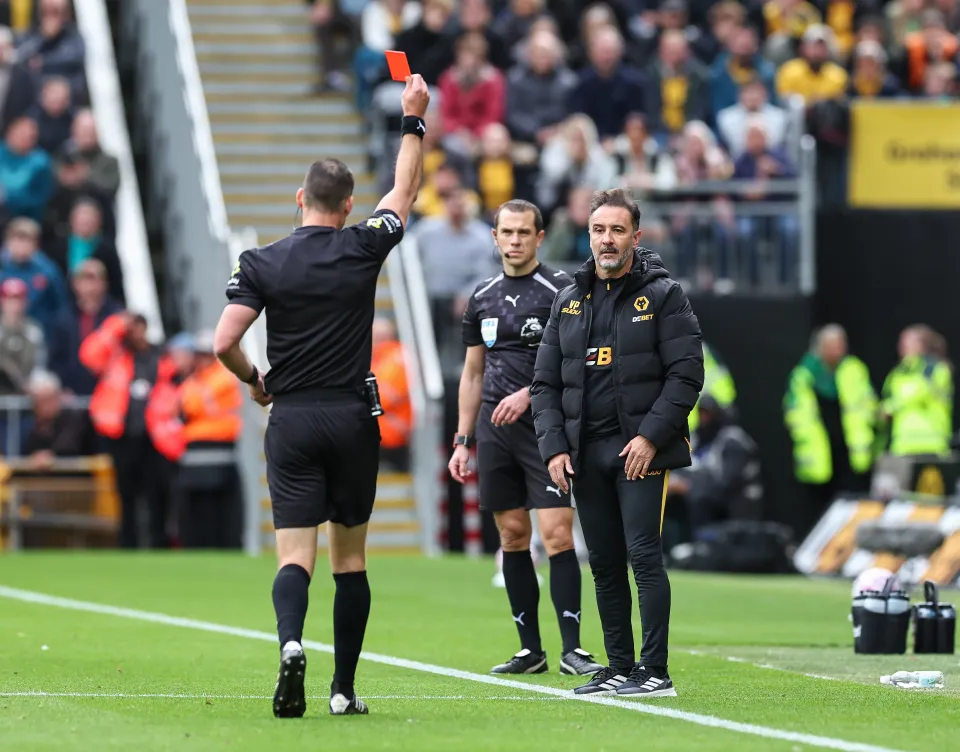
When a manager is sent off, the impact goes beyond symbolism. They must leave the technical area and, in many competitions, the immediate vicinity of the pitch. Communication with players becomes limited or impossible. Additional touchline bans, fines, or suspensions often follow.
The dismissal affects preparation, in game control, and future matches. It is a punishment that targets influence, not just presence.
Why Football Enforces Touchline Discipline
Football is not trying to eliminate emotion from managers. It is trying to regulate it. Passion is still welcome, but intimidation, disruption, and defiance are not. The modern laws recognise that managers shape behaviour across the pitch, and with that influence comes responsibility.
When managers are sent off, it is rarely about silencing personality. It is about protecting the structure of the game. Authority in football is conditional, and when those on the touchline cross behavioural thresholds, the red card is no longer optional.
In today’s game, the touchline is not a theatre for unchecked emotion. It is a regulated space. And managers who forget that are discovering, increasingly publicly, that no role in football exists above the laws.