

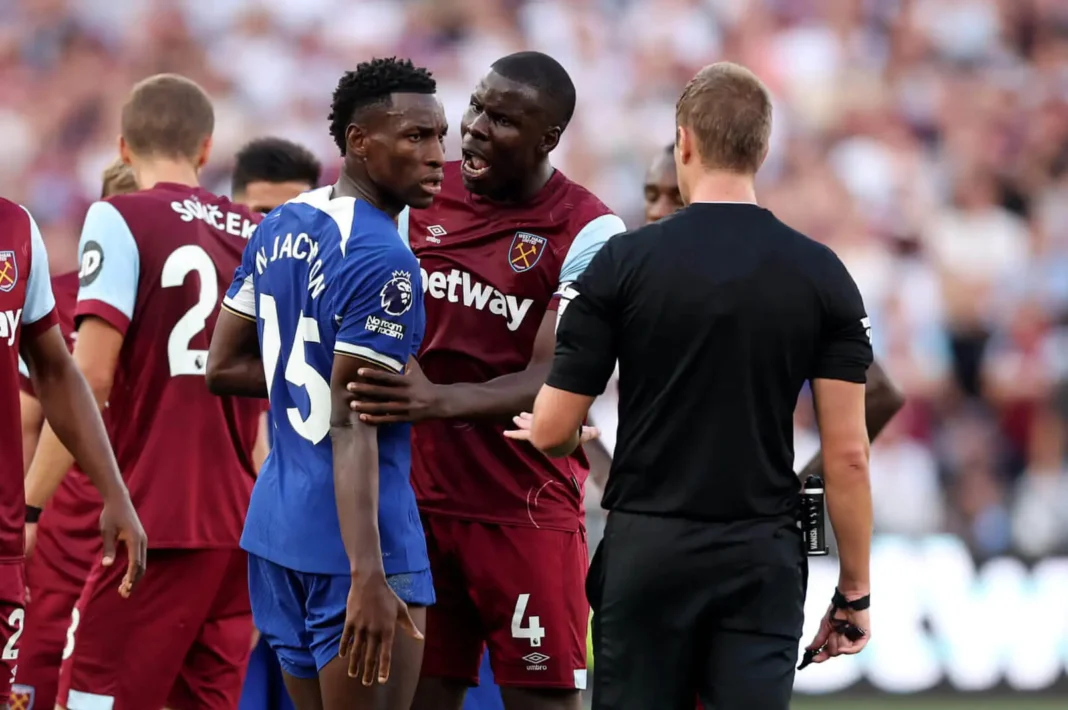

Football is an emotional sport. It always has been. Goals spark joy, mistakes bring fury, and decisions shape destiny. So when players are booked for raising their arms, shaking their heads, or asking a question, it forces an uncomfortable debate. Is dissent being punished to protect referees, or to control emotion?
What Is Dissent According to the Laws?
Under the IFAB Laws of the Game, dissent is any action by a player that shows disagreement with a match official’s decision through words or gestures. This includes arguing with the referee, Sarcastic applause, Aggressive gesturing, surrounding officials, and public displays of disagreement. The law is clear in principle. The problem begins with interpretation.
The Premier League Crackdown
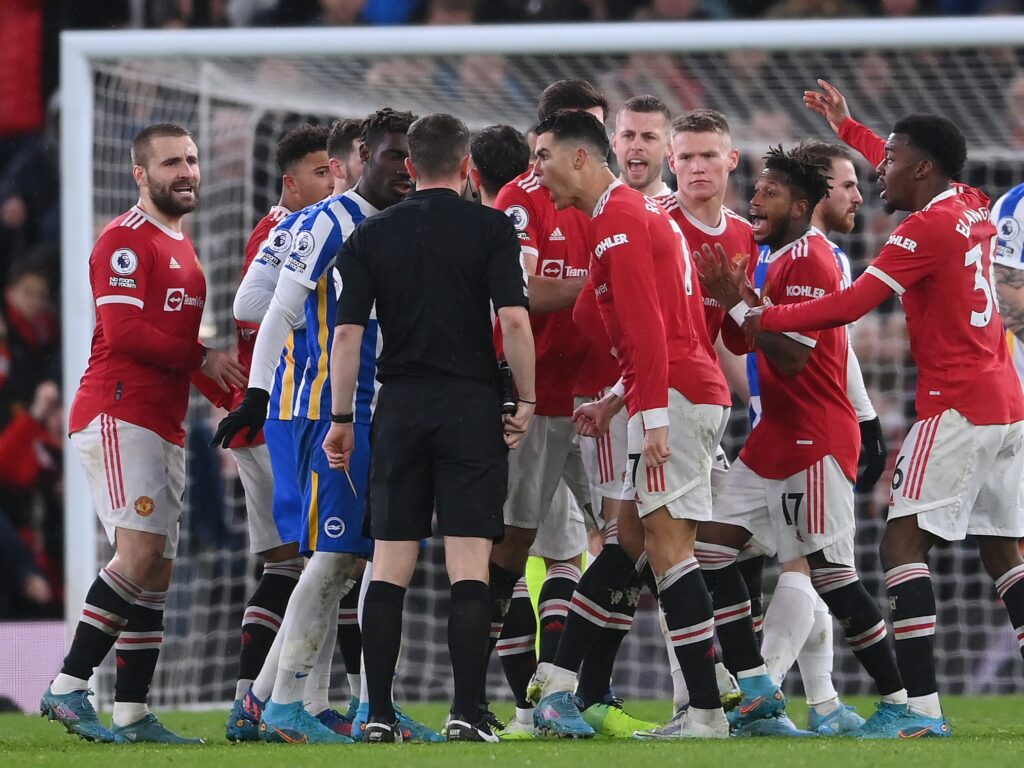
In recent Premier League seasons, dissent has become a focus area. Referees have been instructed to clamp down on players crowding them, questioning decisions excessively, or reacting demonstratively. The intention is to improve respect and authority.
What fans have seen instead is inconsistency.
One match sees yellow cards handed out for minimal reactions. Another sees prolonged debates go unpunished. The same gestures are judged differently depending on the referee, the match context, or the player involved. Authority without consistency creates resentment, not respect.
Captains Only, A Rule Without Teeth
The idea of allowing only team captains to approach referees was introduced as a solution.
In theory, it streamlines communication. In practice, enforcement varies wildly. Some matches see referees wave players away instantly. Others allow half a team to surround them. The lack of uniform application turns a good idea into a symbolic gesture rather than a functioning rule.
Players do not know the boundary. Fans do not know the standard.
Emotion vs Misconduct
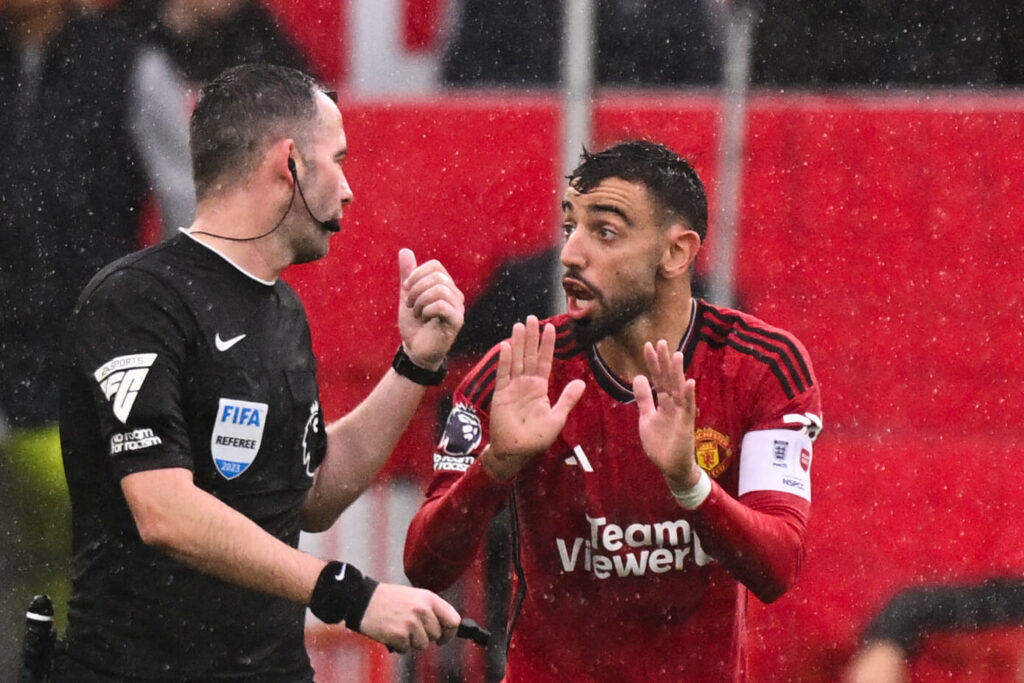
Football is not played in silence. Expecting players to absorb controversial decisions without reaction ignores the human side of the sport. A last-minute penalty, A missed advantage, A marginal offside call. These moments invite emotion. The key question is whether emotional reaction should be punished equally to abuse or intimidation.
When dissent rules are applied without nuance, they risk penalising passion rather than protecting officials.
Reputation and Unequal Treatment
One of the most uncomfortable truths in football officiating is reputation bias.
High-profile Premier League stars often receive warnings before bookings. Lesser-known players are sometimes punished immediately for similar behaviour. Whether intentional or subconscious, this disparity is visible to fans and players alike. When dissent laws feel selective, they lose legitimacy.
Tactical Dissent, A Growing Trend
Some teams have mastered dissent as a tactic. Surrounding the referee slows the game. Protests influence future decisions. Persistent pressure alters officiating tone. When dissent is punished sporadically, it rewards those who push boundaries the hardest. Ironically, inconsistent enforcement encourages the very behaviour the law seeks to eliminate.
What Needs to Change
Dissent rules do not need rewriting. They need clarity and consistency. Possible improvements include Clear thresholds for yellow cards, Equal treatment regardless of player status, Stronger enforcement of the captains’ only approach, and referees explaining decisions more openly where possible.
Respect cannot be demanded. It must be earned through fairness.
Why This Debate Will Continue
Football will never be emotionless, nor should it be. But referees deserve protection. Players deserve understanding. Fans deserve consistency. Until dissent is judged by behaviour rather than reputation or circumstance, the debate will rage on. The next time a yellow card is shown for dissent in a Premier League match, watch the reaction. It will not be about the card. It will be about whether the game still allows players to feel.