

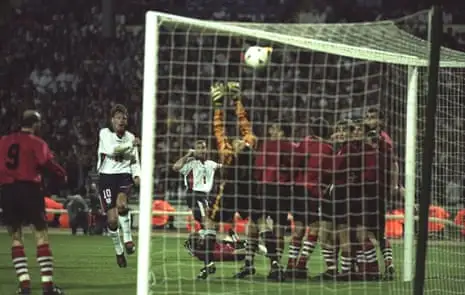

Everyone knows what a penalty is. Everyone knows what a direct free kick is. But mention an indirect free kick inside the box and confusion spreads instantly, among players, fans, commentators, and sometimes even referees.
Whistles blow, arms are raised, players hesitate, crowds murmur.
Indirect free kicks remain one of football’s most important rules, yet also its least understood.
And that lack of understanding matters more than we think.
What Is an Indirect Free Kick, Really?
According to the IFAB Laws of the Game, an indirect free kick is awarded for offences that are not considered serious fouls, but still require punishment. A goal cannot be scored directly from an indirect free kick.
The ball must touch another player before entering the goal. The referee signals this by keeping one arm raised until the ball is touched by a second player or goes out of play.
Simple in theory. Messy in reality.
When Are Indirect Free Kicks Given?
Some of the most common situations include,
- A goalkeeper holding the ball for more than six seconds,
- A goalkeeper picking up a deliberate back pass from a teammate,
- A goalkeeper handling the ball again after releasing it,
- Dangerous play without contact,
- Impeding an opponent without physical contact,
- Preventing the goalkeeper from releasing the ball.
These are not headline grabbing offences. That is exactly why they are often forgotten, until one suddenly appears in a decisive moment.
The Back Pass Rule, Clear Law, Cloudy Understanding
The back pass rule is one of the most iconic sources of indirect free kicks, yet it is still misunderstood decades after being introduced.
If a defender deliberately kicks the ball to their goalkeeper and the goalkeeper handles it, an indirect free kick is awarded.
Key words here are deliberately and kicks.
- A deflection is allowed.
- A header is allowed.
- A miskick under pressure is allowed.
Yet every season, debates rage over whether something was intentional or accidental. Much like handball, interpretation creeps in where clarity was promised.
Indirect Free Kicks Inside the Box, Maximum Chaos
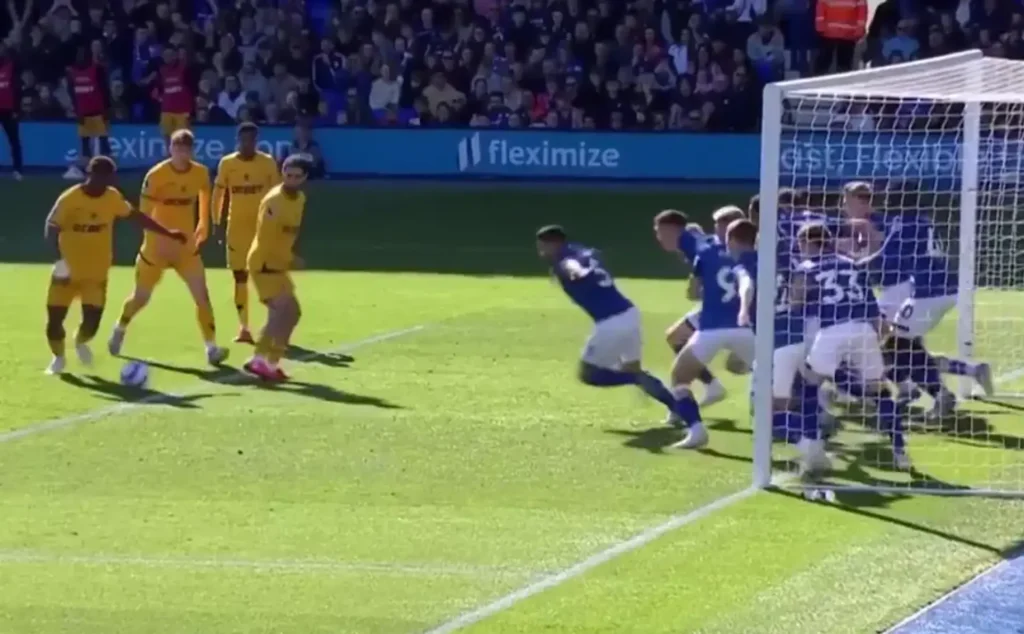
Nothing exposes confusion like an indirect free kick awarded inside the penalty area.
- Defenders line up on the goal line.
- Attackers argue over whether to touch or shoot.
- Fans scream for a goal that cannot be scored directly.
We see retaken kicks, rushed touches, blocked attempts, and sometimes total panic. These moments feel rare, but when they happen, they feel monumental.
An indirect free kick inside the box is one of football’s few moments where the sport briefly looks like a training drill under stadium pressure.
Referees and the Reluctance to Enforce
Here is the uncomfortable truth.
Referees are often reluctant to award indirect free kicks, especially for technical offences like the six second goalkeeper rule. Not because the law is unclear, but because enforcement feels disruptive.
- How often do goalkeepers hold the ball for eight, nine, even ten seconds?
Almost every match. - How often is it punished?
Almost never.
Selective enforcement weakens the rule. Noticeable enforcement causes outrage. Referees are stuck in between.
Why Indirect Free Kicks Still Matter
- Indirect free kicks exist to protect fairness and flow.
- They prevent time wasting.
- They stop goalkeepers from becoming extra outfield players.
- They punish dangerous play before it becomes violent.
- Without them, the game quietly bends toward exploitation rather than competition.
- They are subtle rules, but football collapses into chaos without subtlety.
What Needs to Change
Football does not need new laws. It needs consistency.
Some realistic improvements include,
- Clearer referee communication, especially inside the box,
- Stricter enforcement of existing rules like the six second limit,
- Better broadcast explanation so fans understand decisions,
- More education for players at youth and professional levels.
When a rule exists but is rarely applied, it becomes optional. Football cannot afford optional laws.
Why This Rule Deserves More Attention
Indirect free kicks are not glamorous. They do not sell highlights or headlines. But they shape behaviour quietly, just like the offside rule or the back pass rule once did. And when confusion reigns, frustration follows.
The next time a referee raises an arm and keeps it there, remember, this is not a minor decision. It is football enforcing its finer details.
Because sometimes, the rules that matter most are the ones nobody is watching.