

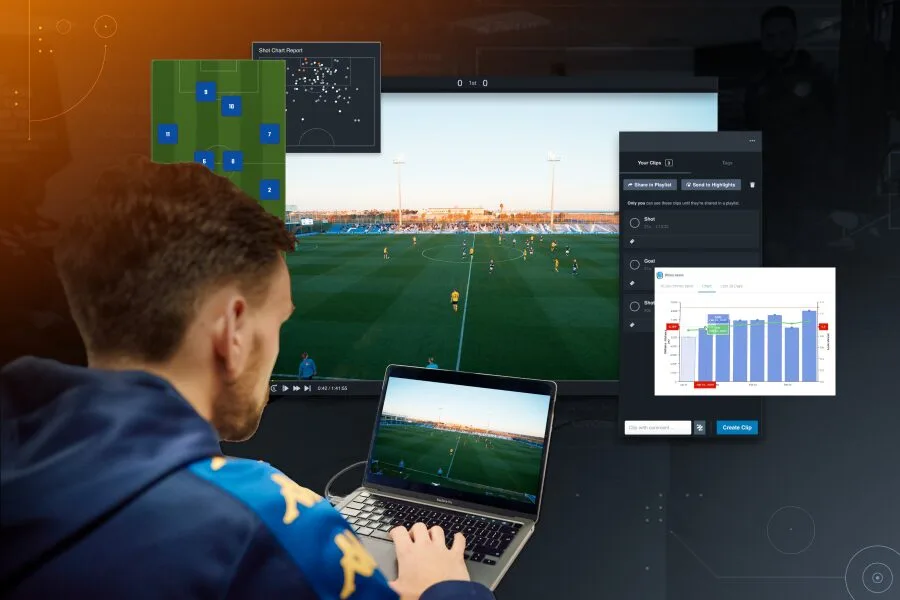

Football in 2026 feels different. The game is faster, sharper, and far more calculated than it was a decade ago. Touchlines are now crowded with analysts, tablets, and live performance feeds. Every sprint, pass, and duel is tracked. With so much information driving decisions, it’s fair to ask whether football still runs on instinct, or if data has finally taken control.
The Rise of Data-Driven Football
Data is no longer a luxury for elite clubs; it is a necessity. Recruitment departments now rely heavily on performance metrics before even watching a player live. Expected goals, pressing efficiency, recovery speed, and positional discipline shape scouting reports. Managers receive real-time updates during matches, helping them manage intensity and reduce risk.
In 2026, many decisions that once came from the gut are now backed by numbers.
Substitutions are influenced by physical output, not just visual fatigue. Tactical tweaks are supported by passing patterns and spatial data. Football has become more scientific than ever.
Clubs Building on Data driven projects: Chelsea and Brighton
While most clubs now use analytics, a few have gone much further, building their entire sporting identity around data. Chelsea and Brighton are two of the clearest examples, though their paths and results have been very different.
Chelsea’s recent rebuild has been driven heavily by numbers. Recruitment has focused on age profiles, resale value, physical output, and long-term data trends rather than proven reputation. Young players are signed based on potential metrics and projected development curves. Even managerial appointments have reflected this thinking, favouring coaches who fit a specific data-led model rather than established names.
However, Chelsea’s case also highlights the risks of relying too much on data without balance. Constant squad turnover, limited leadership, and a lack of experienced voices have often left the team looking disconnected on the pitch. The numbers may support long-term planning, but football rarely waits for models to mature. Results, pressure, and dressing-room dynamics still demand instinctive management.

Brighton, on the other hand, represents data-driven football at its most efficient. Their recruitment system identifies undervalued players before the market reacts. They replace key departures with minimal drop-off, trusting a structure that prioritises profile over personality. Managers change, players move on, yet the football remains consistent.
Where Instinct Still Lives
Despite this explosion of analytics, instinct has not disappeared. Football is still an emotional game played by humans, not machines. Momentum shifts, crowd energy, and player confidence cannot be fully measured. A manager often senses when a game is slipping away or when it’s time to take a risk, something data struggles to predict in real time.
Experience also matters. Knowing when to trust a struggling player or when to break a tactical rule often comes from years in the game. Data can inform decisions, but instinct gives them context.
The Balance That Defines Modern Football
Football in 2026 is not a battle between data and instinct, it’s a partnership. Data has replaced guesswork, myths, and outdated scouting methods. But instinct remains the soul of the game, shaping moments that statistics struggle to explain.
The clubs that succeed are not the ones with the most data, but the ones who use it without losing football’s human edge.
Conclusion
Data hasn’t replaced instinct in football, it has refined it. In 2026, the game belongs to those who can balance numbers with nerve, analytics with awareness, and structure with spontaneity. Football is smarter now, but it is still decided by people, not percentages.