


Picture the scene: It is the 89th minute of a cup final. The midfielder looks up, sees a gap in the defense, and quickly sends a perfect pass. The striker races onto the ball, goes around the goalkeeper, and scores.
The crowd goes wild with a massive celebration; pure, unadulterated euphoria. But then, the vibe changes. The cheering comes to a sudden halt, and the place is filled with a confused murmur. A lot of people are looking at the assistant referee, who is standing still like a statue with his checkered flag up in the air. The goal is erased from the scoreboard.
Welcome to the world of the Offside Rule.
It is arguably the most infamous rule in all of sports. It has decided World Cups, ruined weekends, and sparked arguments in pubs that have lasted for decades. To the uninitiated, it seems like an arbitrary way to ruin the fun. To the tactical purist, it is the beautiful constraint that turns football from a chaotic schoolyard scramble into a strategic chess match.
Yet, despite its fame, it remains widely misunderstood. We often hear pundits talk about “phases of play,” “daylight,” and “passive positions,” making the concept sound like advanced geometry. However, stripped of the jargon and the forensic analysis of VAR (Video Assistant Referee), the rule is actually built on a simple premise.
Here is your definitive guide to understanding football’s invisible line.
What is an Offside Rule?
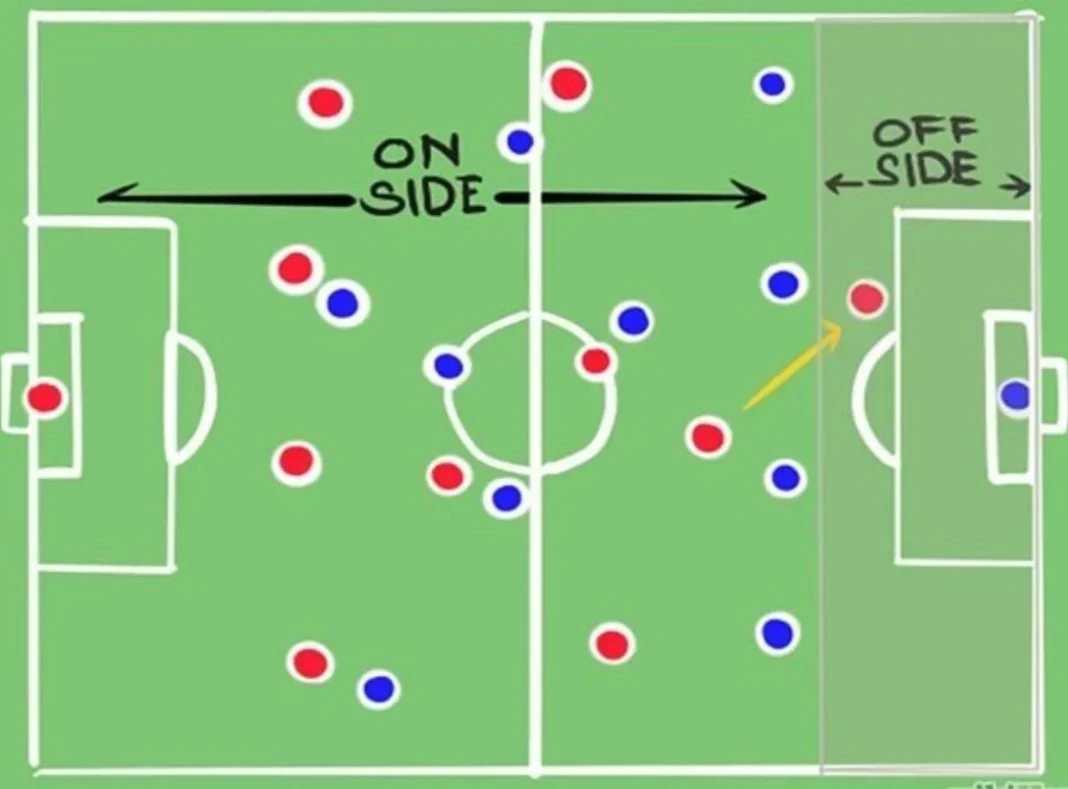
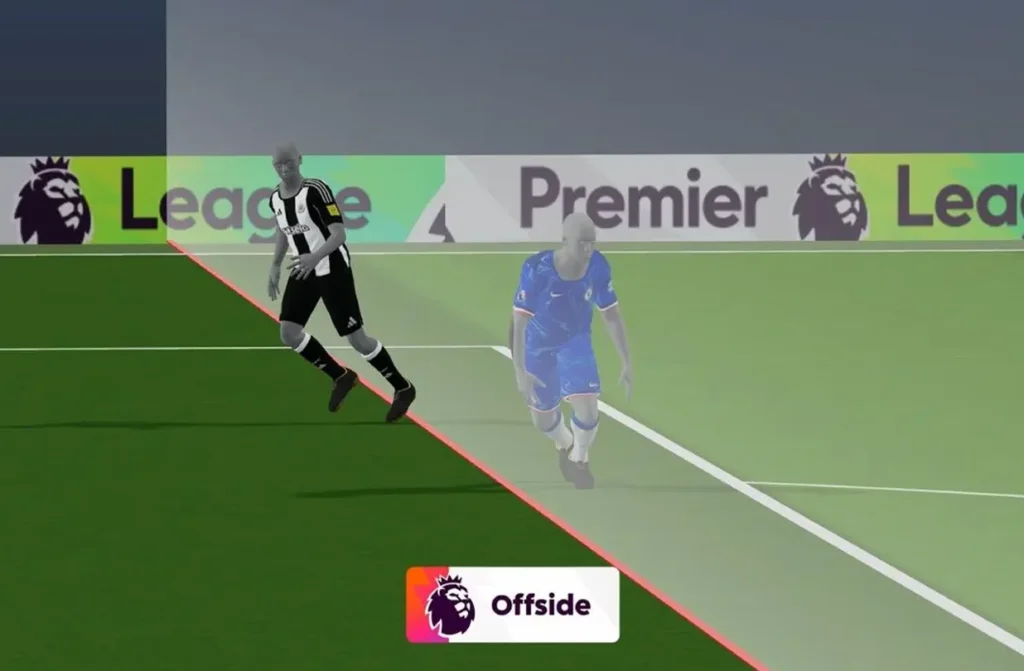
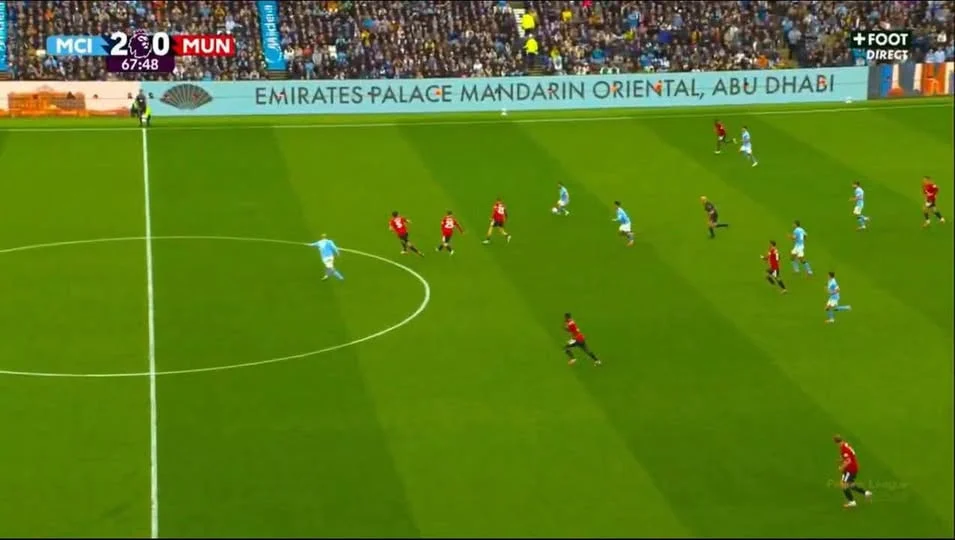
To understand the concept, picture a line going back and forth across the field. This line is the one that the second to last opponent is drawing. In general, the goalkeeper being the last opponent, the offside line is therefore the one that is closest to the defender’s heels.
The offside rule states:
An attacker is not allowed to be nearer the goal line than both the ball and the second to last opponent.
In case an attacker goes past that last defender and the ball is then played to them, the attacker is in an offside position.
The Frame Freeze Moment
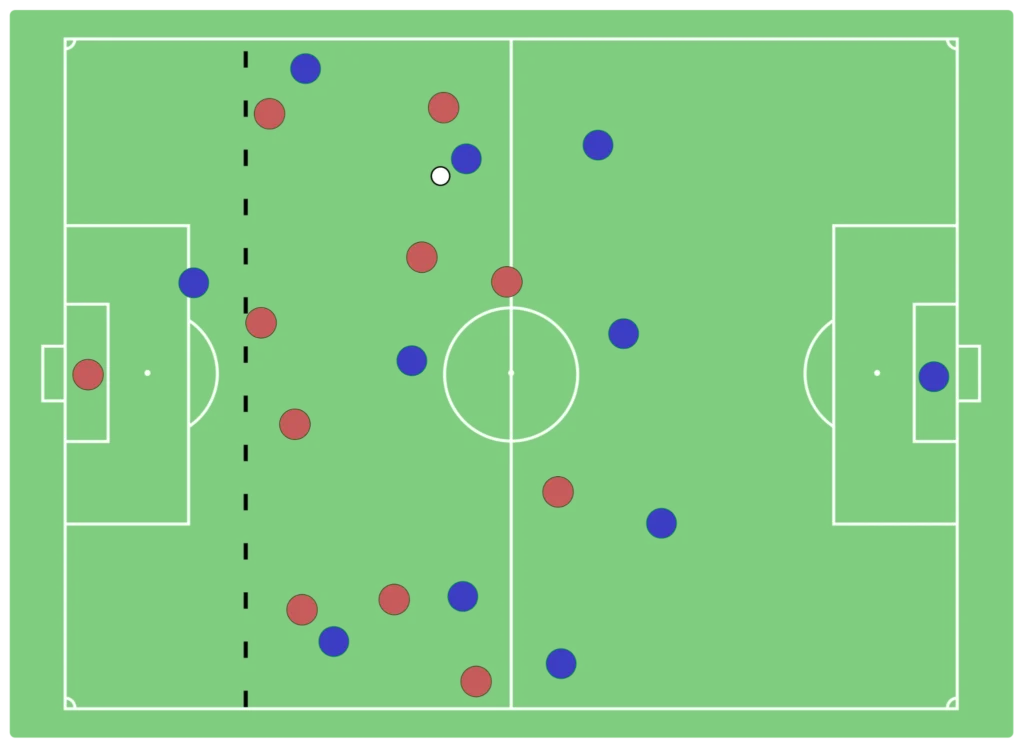
The most common misconception is that a player is offside if they are behind the defense when they receive the ball. This is an incorrect assumption because Offside is judged at the precise split-second the ball is touched or played by a teammate.
For instance let’s take two different scenarios
- Scenario A: A striker stands level with the defender. As the midfielder kicks the pass, the striker sprints forward. By the time they catch the ball, they are ten yards clear of the defense.
Verdict: Onside (Legal). Because they were level when the kick was made.
- Scenario B: A striker is standing behind the defender. The midfielder kicks the pass. The striker realizes they are too far forward and runs backward to catch the ball.
Verdict: Offside (Illegal). It does not matter that they ran back; they were in an illegal position when the kick occurred.
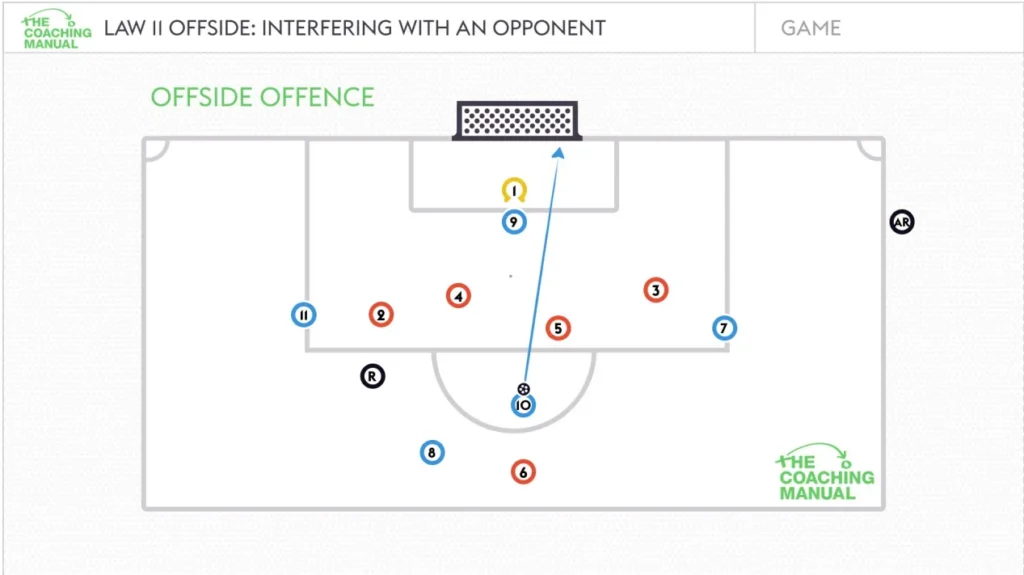
The Interference Clause
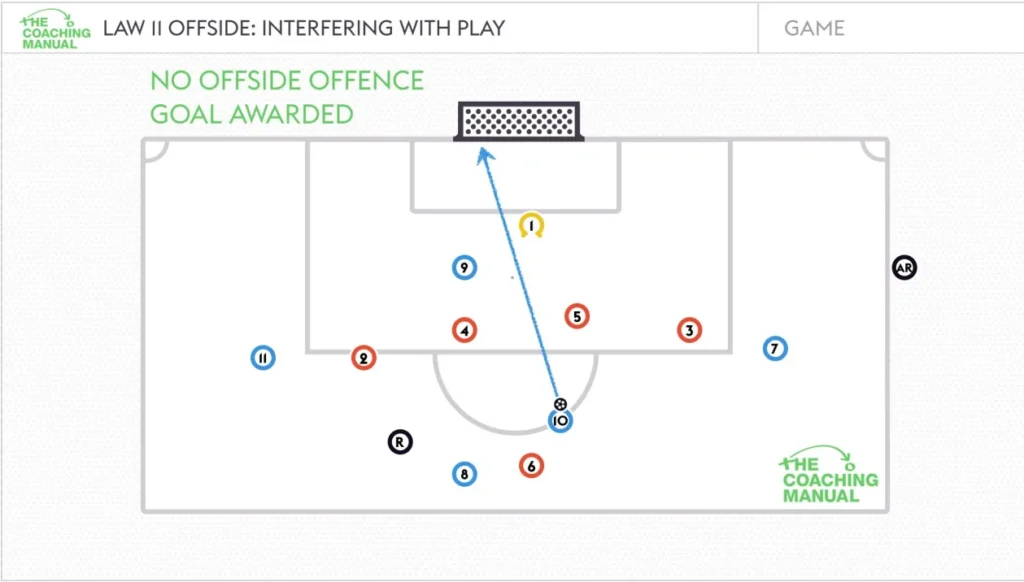
Being offside is not, by itself and offence. For example, you are allowed to stay behind the opponent’s goal line during the whole game if you want, as long as you do not get involved in the play. The referee’s whistle will only be heard if the player becomes “active”.
- Interfering with play: If the player is even remotely in contact with the ball.
- Interfering with an opponent: Blocking the goalkeeper’s line of vision or pushing a defender.
- Gaining an advantage: Playing a rebound off the post or the goalkeeper while being in an offside position.
The Exceptions
There are specific scenarios where the offside rule is suspended.
A player cannot be offside if:
- They are in their own half of the pitch.
- They receive the ball directly from a throw-in, corner kick, or goal kick.
- The ball was deliberately played to them by an opponent(e.g., a defender makes a terrible back-pass that the striker intercepts).
Is the Rule Different in La Liga, the Premier League, or the Bundesliga?
Technically, no. The Laws of the Game are set by the IFAB (International Football Association Board), meaning the core rule is identical whether you are playing in a park in London or at the Santiago Bernabéu in Madrid.
However, the technology and interpretation can feel different:
The Premier League: Known for its “fast and physical” style, the PL recently introduced Semi-Automated Offside Technology (SAOT) for the 2025/26 season to speed up decisions.
La Liga & Bundesliga: These leagues were early adopters of VAR. In Spain, fans often complain about the “forensic” nature of offside calls, where goals are disallowed because a player’s shoulder was a millimeter ahead.
The “Wenger Rule” Trial: Currently, FIFA is testing a massive change (often called the Wenger Law) in lower leagues. It proposes that a player is only offside if their entire body is past the defender. If this passes, it will be the biggest change in 100 years.
Conclusion
The offside rule is, in large part, the most divisive source of controversy in football. Those who hate it, find it to be a reason to get exceedingly frustrated whereby the disappointing scenario of a goal being taken away due to the referee’s check or a VAR review is the only thing remaining. Those who love it, believe it is a guiding light leading towards the vastness of football’s tactical complexity, a rule that diligently combats the tiring and uninspired conduct of the game and favors strategy over the raw use of power.
Offside is the very thing that makes every goal count, every movement in the runs to be perfectly timed, and every defense to have a chance of survival. It is the invisible boundary that elevates a simple game of football between friends to a professional chess match that we watch every weekend.
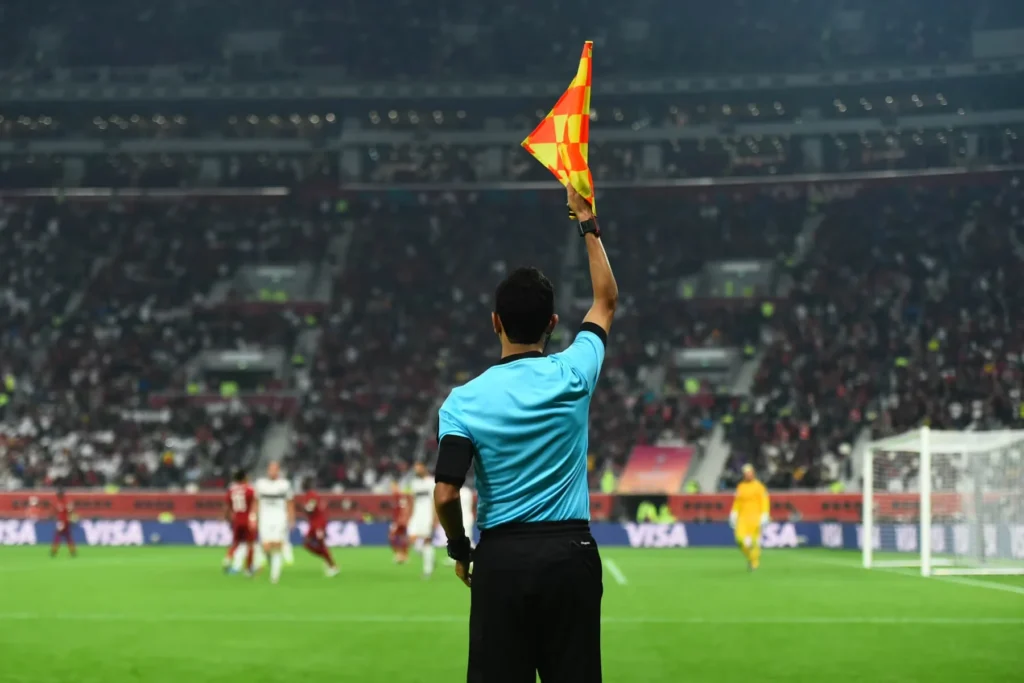
So, if at any time the referee’s decision to signal offside stops you from celebrating, just calm down with a deep breath and remind yourself that offside is the rule that, in the end, keeps the game beautiful.