

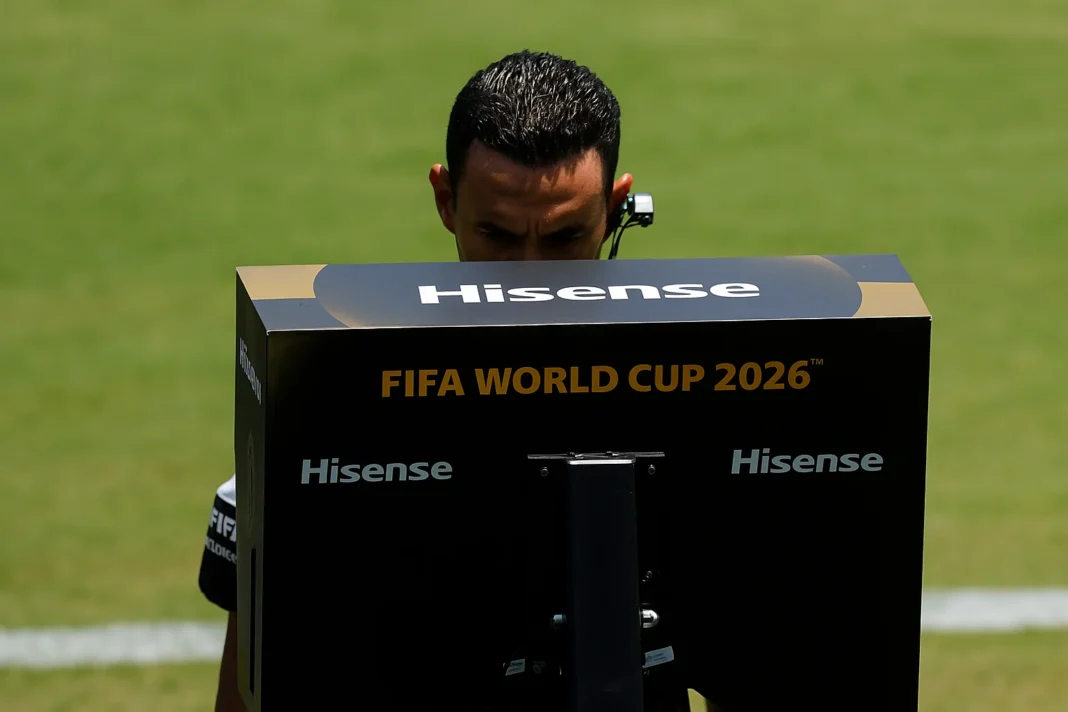

As football enters a new technological era, the 2026 FIFA World Cup is set to become a turning point in how the sport handles its most contentious decisions. For the first time, VAR will be empowered to intervene on corner-kick awards and second yellow cards, two areas that have long influenced matches without the safety net of video review.
These changes signal FIFA’s intention to reduce high-impact refereeing errors on the game’s biggest stage, but they also raise fresh questions about flow, fairness, and the balance between human judgment and technology. The result is a World Cup poised to redefine the relationship between referees, players, and the evolving role of VAR.
VAR to decide corners and second yellow at FIFA World Cup 2026:
The 2026 FIFA World Cup will introduce major upgrades to the scope of Video Assistant Referee (VAR) authority, particularly in areas that have traditionally escaped video review: corner-kick decisions and second yellow cards. Until now, VAR has not been allowed to intervene on whether a corner was correctly awarded, but for the first time, it will be able to check if the ball fully crossed the goal line and which team last touched it. Likewise, VAR’s remit will expand to include reviewing second yellow cards, a long-debated change given how decisive a second booking can be.
The addition of corner-kick reviews offers a much-needed safeguard against one of the most common yet impactful refereeing errors. A wrongly awarded corner instead of a goal kick can dramatically shift momentum or even lead to a goal. Allowing VAR to confirm such situations enhances precision and strengthens the integrity of high-stakes matches.
The ability to reassess second yellow cards serves a similar purpose: preventing unjust dismissals. A mistaken second booking can tilt the entire game, especially in knockout rounds, so using video evidence to verify these decisions adds another layer of fairness.
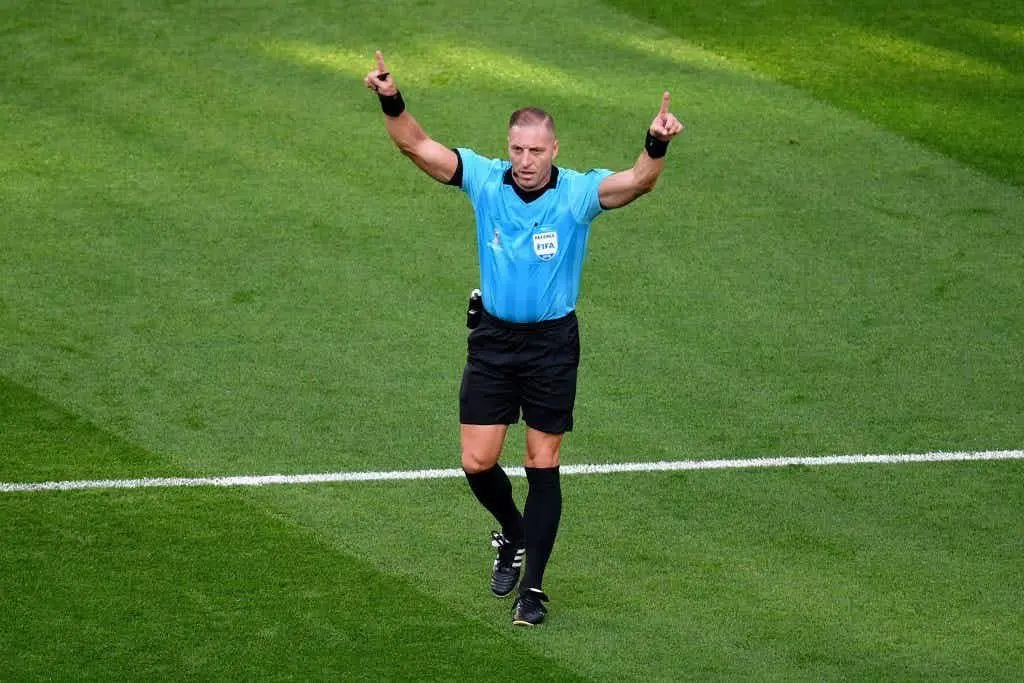 With VAR now set to oversee corner decisions and second yellow cards, the 2026 World Cup is embracing a major shift in officiating. These updates promise greater accuracy and fairness in decisive moments, but they also bring questions about flow, consistency, and the expanding role of technology.
Below are the key pros and cons of this new VAR approach:
✔️ Pros:
1. Greater Decision Accuracy
Allowing VAR to check corner-kick awards ensures officials get key restarts correct, preventing wrongly given corners that could directly lead to goals.
2. Fairer Disciplinary Outcomes
Second yellow cards can now be reviewed, reducing the chance of an unjust dismissal that could alter the match’s outcome.
3. Reduced High-Impact Refereeing Errors
Major mistakes in high-stakes matches, especially knockout games become less likely, protecting the integrity of results.
4. Increased Accountability for Players
Knowing that second bookings and touchline incidents are under stricter scrutiny may discourage cynical fouls, time-wasting, or intentional touches out of play.
5. Enhanced Competitive Balance
Teams benefit from more consistent and evidence-based decisions, especially in tight or controversial moments.
❌ Cons:
1. More Game Stoppages
Additional reviewable incidents could lead to longer delays, breaking the rhythm and flow that fans and players value.
2. Subjective Calls Remain Difficult
Second yellow cards often involve interpretation. Even with video, debates about intention, force, and consistency will remain.
3. Risk of On-Field Confusion
During second yellow reviews, play continues meaning a player under review could still influence the match before being sent off.
4. Increased Dependency on VAR
Referees may become more hesitant to make firm decisions, relying on VAR safety nets and slowing down natural officiating instincts.
5. Potential Fan Frustration
Longer pauses, unclear communication, or inconsistent intervention thresholds could annoy viewers and disrupt match excitement.
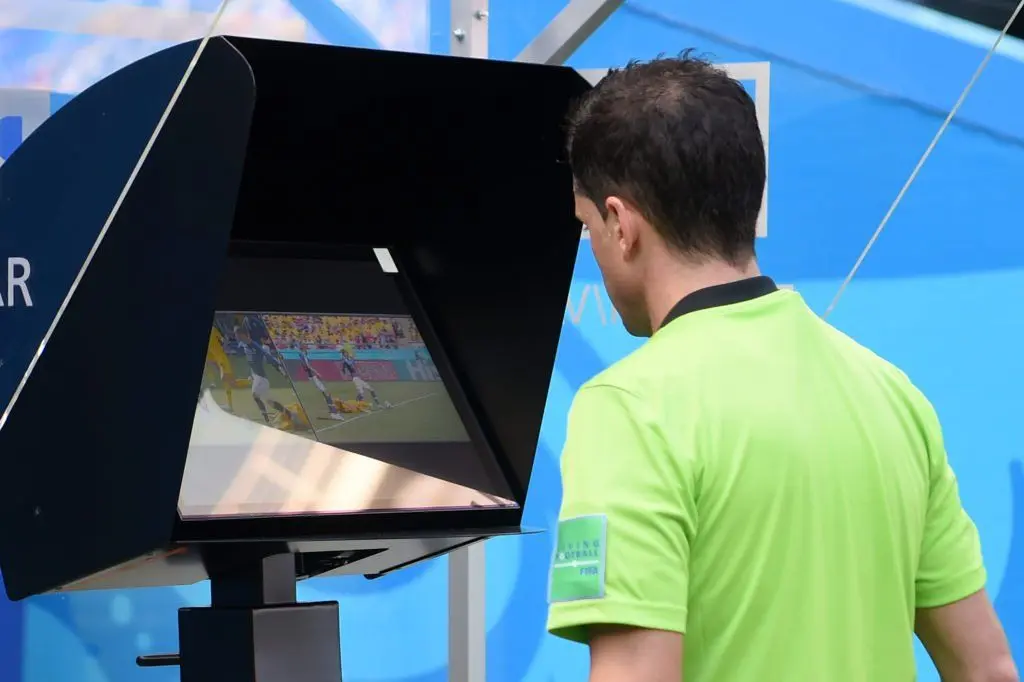
The Overall Aspect of this new Change:
However, expanding VAR’s responsibilities also introduces notable drawbacks. More reviewable incidents naturally mean more stoppages, extended delays, and additional referee consultations all of which risk breaking the rhythm of the game and frustrating players, coaches, and fans.
The challenge becomes even more complex with second yellow card reviews, as play continues during the check. This creates an awkward scenario where a player under review might still influence the match, score a goal, or commit another foul before the final decision is made.
Compounding this issue is the inherent subjectivity behind second bookings. Unlike clear offside or goal-line calls, yellow card offences often depend on the referee’s interpretation of force, intent, and context.
Even with slow-motion replays, these judgments can vary significantly, potentially fueling debates about consistency and whether VAR is overstepping into areas that rely heavily on human feel. As the system takes on more responsibilities, maintaining transparency, speed, and uniformity in its interventions will become essential to prevent the technology from overshadowing the spectacle of the World Cup.
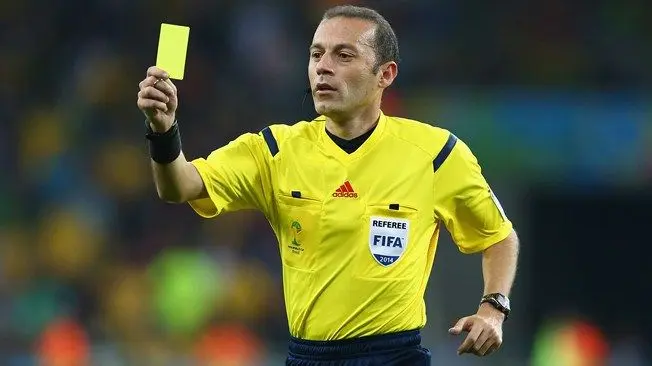 Overall, extending VAR oversight to corner decisions and second yellow cards aims to enhance accuracy and fairness at the most decisive moments, but it also introduces fresh challenges around continuity, consistency, and match flow. These changes underscore football’s ongoing evolution as the sport searches for the right balance between human judgment and technological intervention on its grandest stage.
As the stakes rise in a tournament as global as the World Cup, even the smallest refereeing error can become defining. The expanded use of VAR reflects a growing demand for precision and transparency, ensuring that major decisions are backed by clear evidence rather than split-second impressions. Yet, the more the technology is woven into the fabric of the sport, the more important it becomes to manage its impact on tempo, emotion, and the natural unpredictability that makes football compelling.
Ultimately, the success of these new rules will depend on how efficiently they are implemented and how seamless the communication is between officials, players, and fans. If executed well, they could set a new benchmark for officiating standards. If mismanaged, they risk sparking new debates about the role of VAR itself. Either way, the 2026 World Cup will serve as a pivotal test for football’s technological future.
Conclusion:
In the end, the expanded VAR framework for the 2026 World Cup represents both a bold step forward and a delicate balancing act. It offers the promise of fairer outcomes and sharper decision-making, but it also challenges the sport to preserve its natural flow and emotional intensity. Whether these changes elevate the tournament or spark new controversies will depend on how smoothly they are executed under the pressure of football’s biggest stage. What’s certain is that the world will be watching closely not just the players, but the technology shaping the future of the game.