

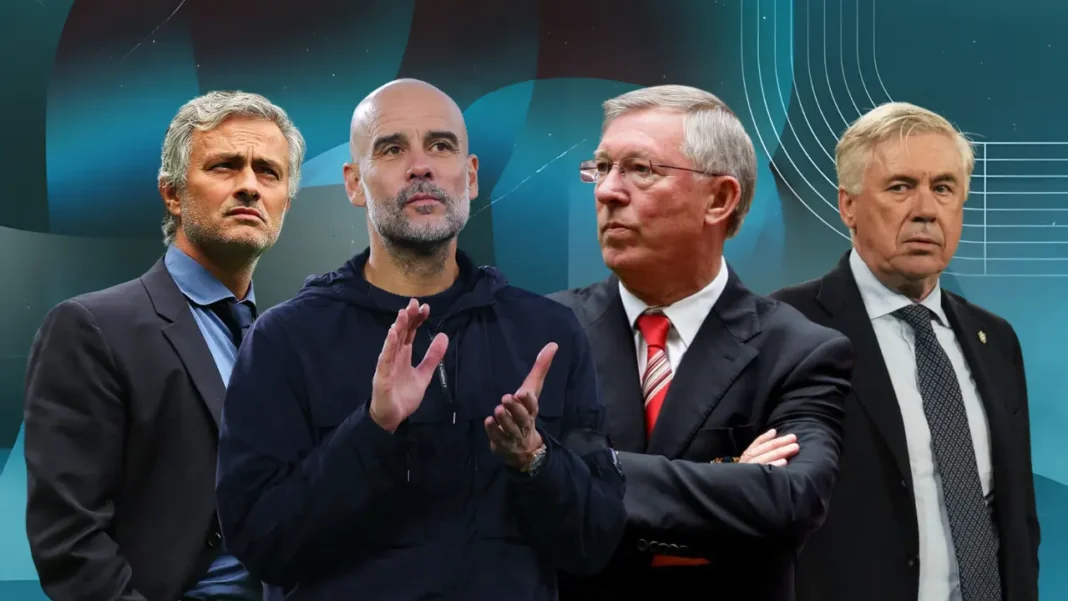

Choosing the greatest football manager isn’t as simple as counting trophies. Greatness mixes titles, tactical impact, longevity, cultural change, youth development, influence on other managers, and the ability to reinvent football itself. Football has changed more in the last 30 years than it did in the entire previous century, and managers are the ones who engineered that evolution. I have talked about the history of tactics in one of my older videos, which these managers used to become who they are right now.
This article takes every factor into account. Not just titles, but ideas, revolutions, dynasties, influence, the managers they inspired, and the footballing worlds they shaped.
How We Should Measure Greatness
Greatness = Trophies + Legacy + Influence + Longevity + Context + Tactical Revolution + Player Development
Some managers won many trophies. Others didn’t win as much, but they shaped entire eras. Some built dynasties. Others reinvented the sport.
That’s why lists made by France Football or other magazines often include names modern fans barely know. It is because football didn’t start in 1990.
The Roots of Modern Football, like Michels, Cruyff, Chapman
Before discussing modern greats, we must acknowledge the pioneers:
Rinus Michels created Total Football
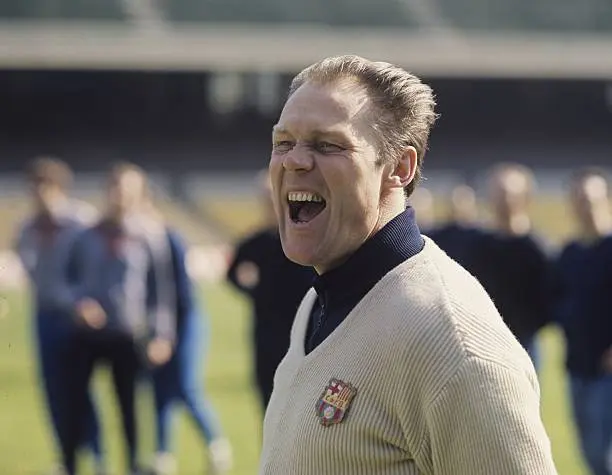 Johan Cruyff carried it forward, then modernized it. I have talked about the legend in one of my videos, Did Johan Cruyff’s Total Football Start Here?
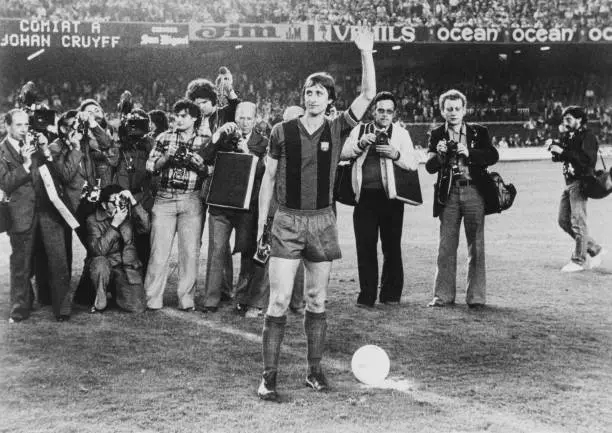
Herbert Chapman invented WM, training concepts, physiotherapy, and club professionalism.
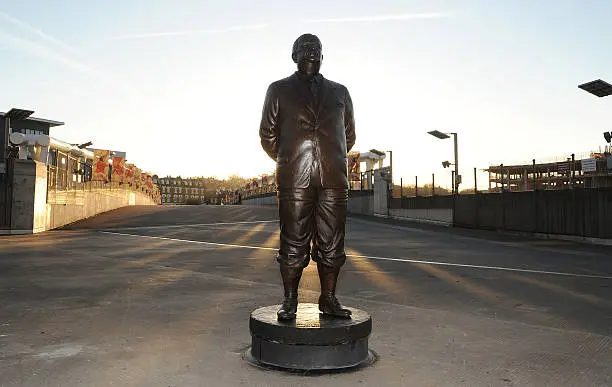
Gösta Szebes introduced organized pressing and shape-control with the Hungarian Golden Team.
Without these men, modern football wouldn’t exist.
France Football ranked Michel #1. Many disagree, but they respected the roots of the game, and that matters.
Why We Focus on Modern Times
Although legends like Cruyff, Michels, Sebes, and Chapman transformed football, this list examines the modern era, where football grew faster, became commercial, went global, and evolved tactically at light speed.
So: Cruyff, Michels, Sebes, Chapman = not included in the final modern ranking.
But their influence stays in the discussion, because every modern great comes from their tree.
Sir Alex Ferguson, The Benchmark Dynasty Builder
If you ask 100 people who the greatest modern manager is, many say Sir Alex Ferguson without hesitation.
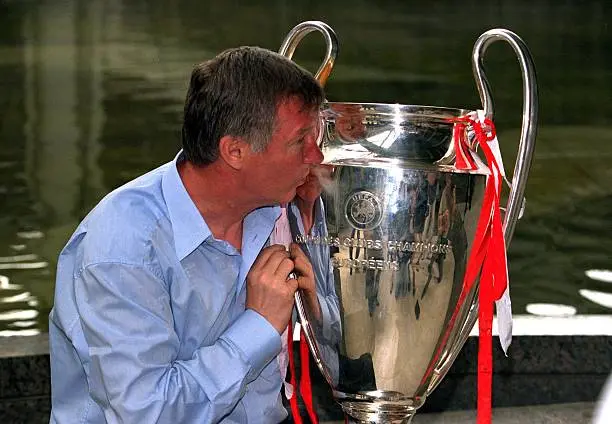
Turning Manchester United Into a Monster
When Ferguson took over United in 1986:
United hadn’t won a league in 20 years. Liverpool, Forest, and Villa dominated.
Ferguson rebuilt the club from scratch: Revamped youth scouting, built the Class of ‘92,
cleansed the dressing room and set higher standards than any English club had seen
It took 6 long years before he won his first league title in 1993 (United’s first in two decades).
Domination Across Three Decades
After that, he didn’t stop:
- 13 Premier League titles
- 2 Champions Leagues
- A historic treble
- Massive domestic dominance
- 38 major trophies in 27 years
Longevity & Reinvention
Ferguson adapted to: The 90s physical era, the early 2000s tactical shifts, the late 2000s technical era, and the 2010s analytics era.
He created a culture, not just a team.
Aberdeen, the forgotten miracle
People forget this:
Before United, Ferguson won the Cup Winners’ Cup with Aberdeen, beating Real Madrid. He won the Super Cup after that.
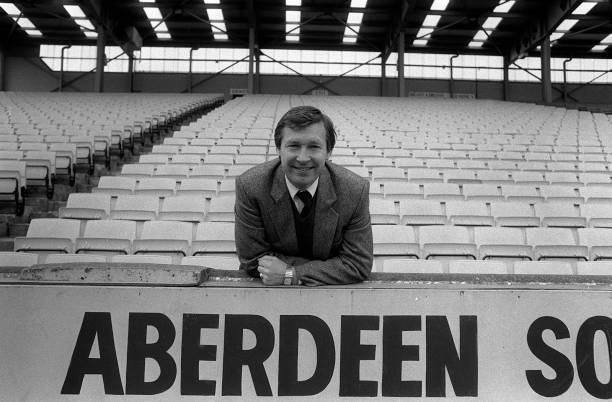 Imagine a Scottish club beating European giants today, impossible. Ferguson did that.
Ferguson = longevity + dynasty + evolution + mentality.
Arsène Wenger, The Cultural Revolution
Wenger changed English football more than any manager in history.
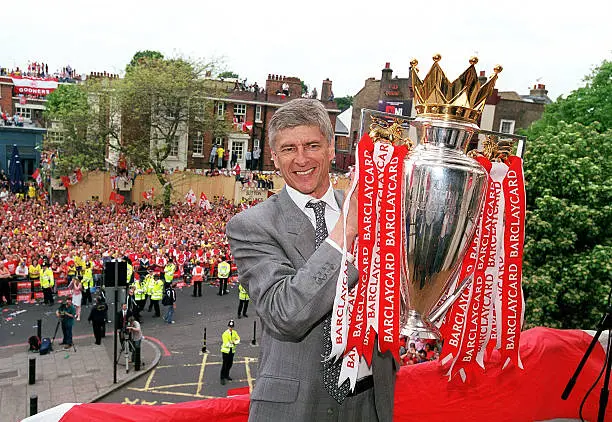
He modernized everything:
NutritionSports, Scientific training methods, scouting networks, foreign recruitment and technical football identity. Before him, English teams ate pies before matches. After him, they ate pasta, measured sleep cycles, and trained scientifically.
The Invincibles
In 2003–04, Arsenal went unbeaten, something even Ferguson never achieved.
Football Philosophy
Wenger believed football should be:
- Technical, quick, youth-driven, a blend of analytics + intuition.
- Even with A new stadium, A limited budget, and top players leaving.
- Wenger kept Arsenal competitive for a decade.
Wenger = the manager who changed English football from the inside.
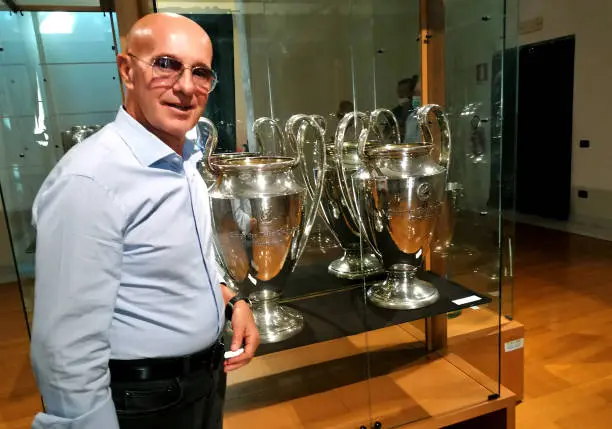
Arrigo Sacchi & Marcelo Bielsa, The Philosophers
Sacchi and Bielsa didn’t win as much as others, but they transformed tactics.
Sacchi
He introduced synchronized pressing. He taught the world compact shapes and built the AC Milan that redefined football.
Bielsa
He introduced High pressing, positional rotations, and extreme man-marking systems. He had a cultural impact in England & South America.
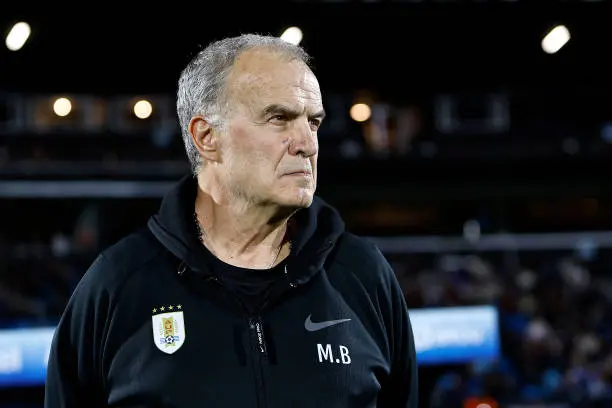 Even Guardiola, Klopp, and Pochettino cite Bielsa as an influence.
José Mourinho, The Specialist Who Ignored the Rules
Mourinho won by defying expectations.
Porto’s Miracle
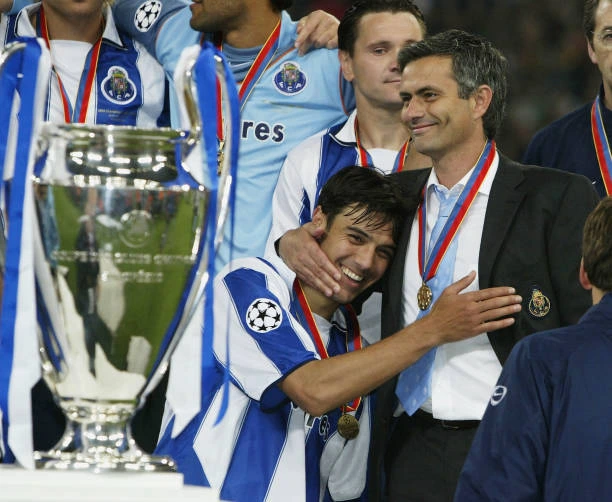 He won the Champions League with Porto, which was a team of unknowns, a midfield no one rated, and pure tactical discipline.
This achievement alone puts him in the all-time conversation.
I have talked about Jose in depth in one of my videos JOSE MOURINHO – THE BIRTH OF THE SPECIAL ONE | THE PORTO FAIRYTALE 03/04
Chelsea: The Birth of the Special One
He built:
The best defense in Premier League history (15 goals conceded).
A team of unstoppable mentality with Drogba, Lampard, Essien, and Terry, all becoming monsters under him.
Inter Milan: The Treble
 He won the treble, including the UCL, with a team full of players no one rated as superstars.
Real Madrid: The Preparation for La Decima
Mourinho didn’t win the UCL at Real, but:
He rebuilt the mentality. He created the structure. The next manager (Carlo) won La Decima partly due to Mourinho’s groundwork.
Manchester United
He gave United:
The Europa League and a complete mentality shift after the post-Ferguson collapse.
Roma
He won the Conference League and cried. That moment told the whole world how deeply he cares.
Underrated Fact
Spurs fired him before the cup final. That club simply did him dirty.
Mourinho = emotion + tactics + pragmatism + underdog miracles.
Carlo Ancelotti, The Calm Assassin
Carlo doesn’t shout. He doesn’t talk about philosophy. But he wins everywhere.
Five Champions Leagues
2 with AC Milan and 3 with Real Madrid.
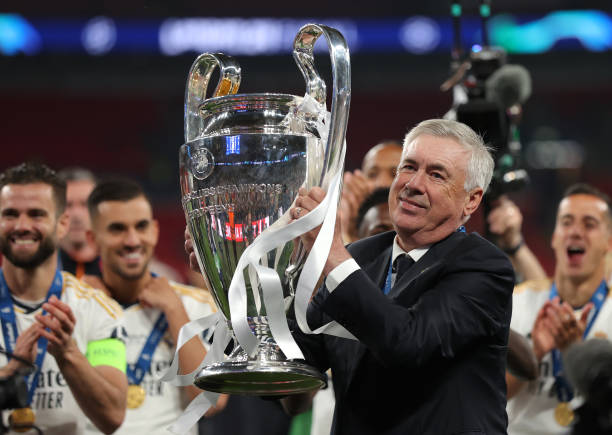 League titles in all top 5 leagues:
Serie A, Premier League, Ligue 1, Bundesliga and LaLiga.
Real Madrid dominance
He became the most successful manager in Real Madrid history. A club that fires managers like a hobby.
He adapts to players instead of forcing them into systems:
Made peak Kaka shine, gave freedom to Vinícius, let Benzema evolve into a Ballon d’Or winner and built the next-gen core with Bellingham, Camavinga, Tchouaméni.
Carlo = universal adaptability + elite man-management + calm dominance.
Jürgen Klopp, Passion, Rebuild, Humanity
Klopp rebuilds, he doesn’t inherit.
Liverpool Transformation
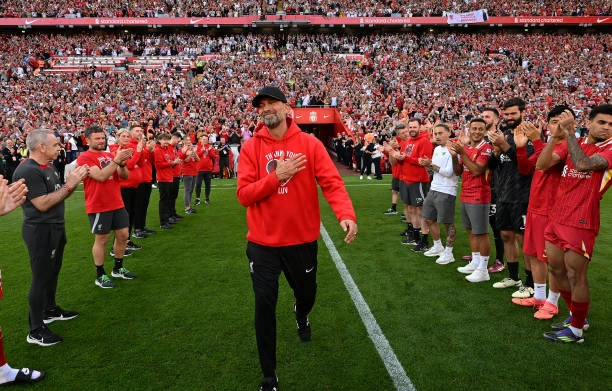 On a small budget compared to City, Chelsea, PSG:
He sculpted Salah, Mané, Firmino, Wijnaldum. He built the best counter-pressing unit of the era. He ended a 30-year title drought. He won the Champions League. He reached multiple finals with fewer resources.
Player Development
Klopp creates world-class players:
He makes average players elite. He fixes morale and turns humans into soldiers.
Klopp = emotion + development + identity.
Luis Enrique, The Treble Specialist
Luis Enrique won: A treble with Barcelona (MSN era) and a treble again with PSG.
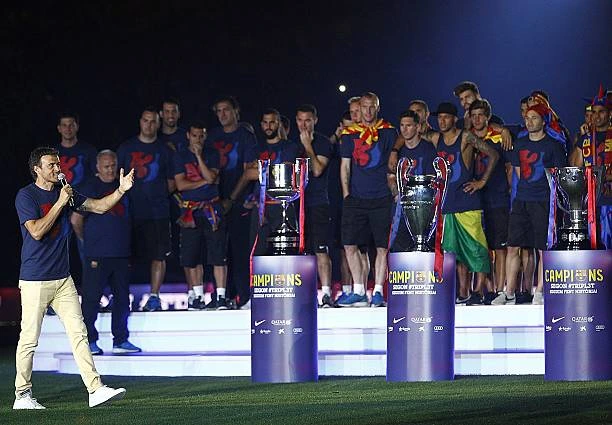 He built the world class trio of Messi, Suárez and Neymar with elite coaching.
Dembele’s Ballon d’Or?
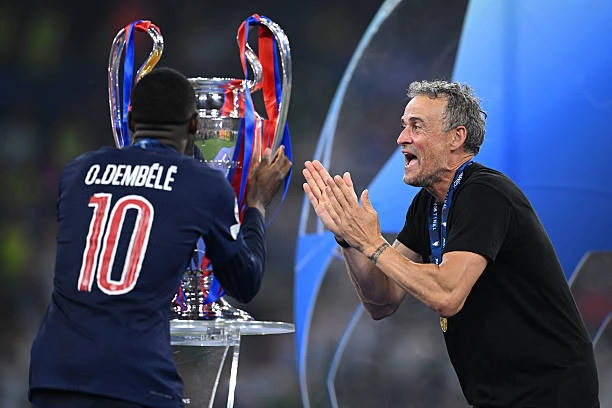 You mentioned his biggest underrated achievement: He coached Ousmane Dembélé into his greatest-ever form, turning an inconsistent, injury-prone talent into a Ballon d’Or winner.
That is elite coaching.
Zinedine Zidane, 3 Champions Leagues in a Row
Zidane walked into Real Madrid, won 3 UCLs in a row, left, returned mid-season, won LaLiga, and left again.
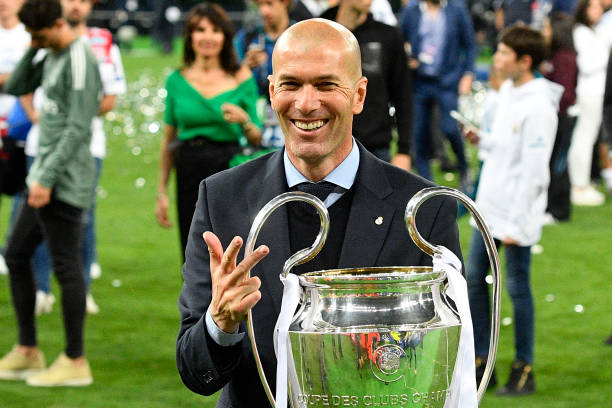 No manager in the modern era dominates the Champions League like him.
Zidane = aura + clarity + clutch mentality.
Pep Guardiola, The Modern Blueprint of Football
Now, the heart of the debate.
Is Pep the greatest modern manager? How Pep Guardiola’s Trip To Mexico Changed Football Forever!
Your opinion says yes, and here’s why, with ALL your details included.
Pep’s Origin Story, which is often forgotten
People say Pep “inherited great teams.” But they forget:
He started in the Spanish Fourth Division. He got Barcelona B promoted. He learned under Johan Cruyff. He absorbed tactical knowledge in Mexico under Ricardo La Volpe.
La Volpe’s ideas (inverted fullbacks, 3+2 buildup) shaped Pep’s football.
Barcelona (2008–2012)
The greatest team ever? Many say yes.
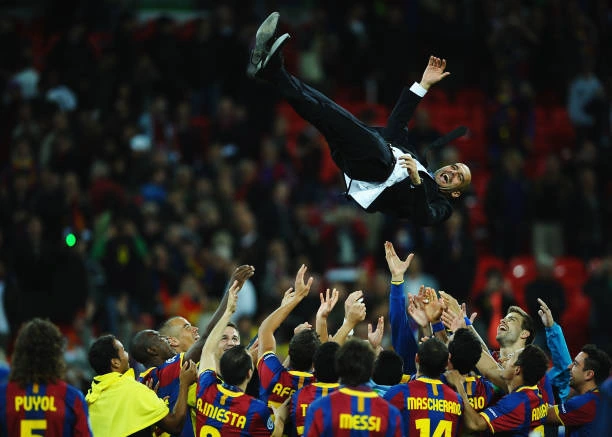 Pep: He developed Messi into the GOAT. He transformed Pedro & Busquets. He shifted Lahm-like roles before Lahm. He created the false nine era. He implemented positional play.
Bayern Munich

He elevated Philip Lahm into a new hybrid midfielder and German football to a higher technical level.
When Germany won the 2014 World Cup, six of their players came from Pep’s Bayern.
Manchester City, The Four Peat
Pep: He won 4 Premier Leagues in a row, something no one else ever did. He adapted his tactics every season. He built a system where even bench players improved. He developed Doku, Haaland, Stones, and more.

His Trophy Count
Ferguson: 38 major titles in 27 years
Pep: 40+ major titles in 17 years
That’s insane.
His Coaching Tree
This is where many people skip details.
You included a lot and now EVERYTHING is here:
Managers influenced by Pep:
Mikel Arteta (Arsenal)
He was an assistant under Pep. He plays positional football
and took Arsenal to title challenges.
Enzo Maresca (Leicester → Chelsea)
He learned under Pep. He got Leicester promoted using Pep-style buildup and plays inverted fullback systems like City.
Xabi Alonso (Leverkusen)
He learned under Pep and Ancelotti. He uses 3+2 buildup. Bayern wants him as the next Pep-style leader.
Vincent Kompany (Burnley → Bayern)
He was a former Manchester City captain under Pep. He built Burnley’s possession identity. Bayern hired him because he came from Pep’s tree
Xavi Hernández
He was Pep’s student as a player, and he used positional play to win LaLiga with Barcelona.
Pep’s influence now stretches across: The Premier League, Bundesliga, LaLiga, International football, Youth academies, and coaching badges.
If football today has a “default structure,” it’s Pep’s structure.
The Spending Debate
People say Pep spends too much.
But you noted this too:
Other clubs spend big and still fail (Chelsea, United). Arsenal spent massively, and Barcelona historically spent heavily.
Money doesn’t guarantee success. Pep spends and improves his coaching level, too with adaptability.
Other clubs spend and still lose.
Tactical Evolution, Pep’s Real Gift
In the last 20 years, the biggest tactical shifts came from Pep:
- Inverted fullbacks → now standard
- Three-at-the-back buildup → now standard
- Positional play → now the template
- 5-lane occupation → every academy teaches it
- Box midfield → every top team uses it
Pep didn’t just win.
He taught football how to play.
Pep’s Influence on National Teams
You mentioned an important detail:
When Spain won the 2010 World Cup, 6 Barcelona players started, and Pep built that midfield.
When Germany won the 2014 World Cup, 6 Bayern players from Pep’s system started.
Pep shaped world champion teams without managing them.
The modern vs all-time
If you focus on modern trophies + influence, Pep stands as the strongest single case: high win percentage, fast trophy accumulation, and a huge coaching tree. If you widen the lens to all-time influence, Johan Cruyff (and Rinus Michels before him) becomes central because they planted the ideas that shaped modern football. Ferguson sits between an unparalleled dynasty-builder with a huge global impact. Ultimately, greatness depends on the criteria you choose.
Final thought
There’s no objective single answer. Trophies, innovation, culture, and context all shape your pick. Your favourite may be Pep for style and modern mastery, Ferguson for a dynasty that spanned decades, Cruyff for intellectual roots, Mourinho for tactical pragmatism, or Ancelotti for calm success across leagues. Tell me your top five and I’ll rank them by trophies, influence, longevity, or coaching-tree impact, whichever metric you prefer. Drop your thoughts in the comment section of my video.